Heavy Duty Universal Shaft Coupling
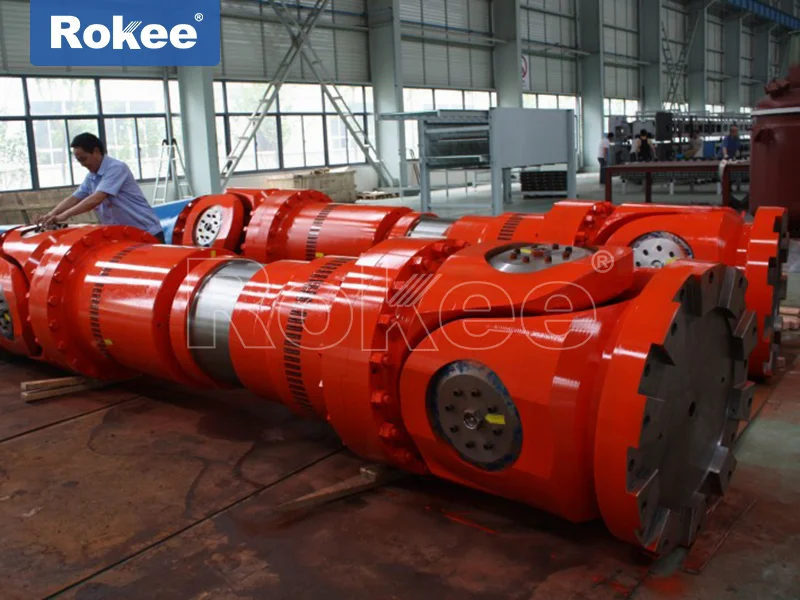
Heavy duty universal shaft couplings are essential mechanical transmission components designed to deliver stable and powerful torque transfer in heavy industrial and engineering machinery systems. Unlike ordinary lightweight couplings built for low-load and stable operating scenarios, this heavy-duty variant is engineered exclusively for extreme working conditions featuring high torque output, frequent load fluctuations, and multi-dimensional shaft misalignment. Its core functional advantage lies in the ability to compensate for angular, axial, and radial deviations between connected shafts while maintaining high-efficiency power transmission, effectively solving the transmission failure problems caused by installation errors, equipment vibration, and mechanical deformation during long-term operation. Constructed with reinforced structural designs and high-strength metal materials, these couplings boast outstanding wear resistance, impact resistance, and fatigue resistance. They are widely adapted to complex harsh environments including high temperature, low temperature, heavy dust, and humid conditions, serving as a core guarantee for the continuous and stable operation of various large-scale mechanical transmission systems in heavy industry, engineering construction, mining, and agricultural machinery fields.
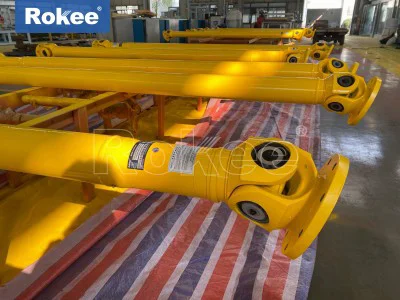
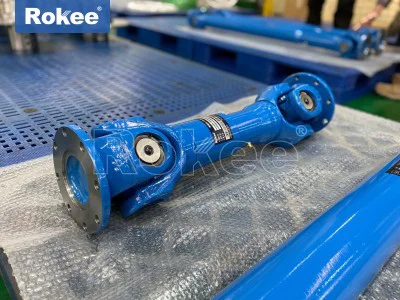
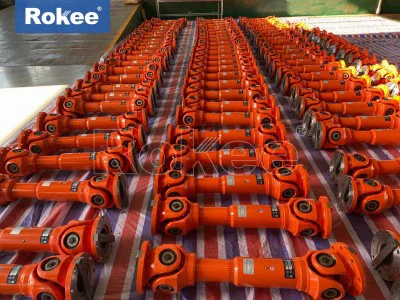
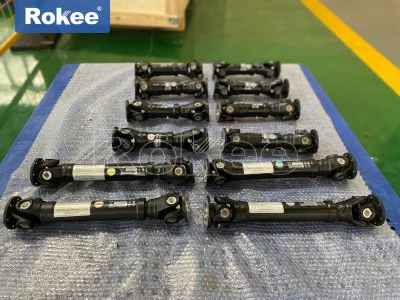
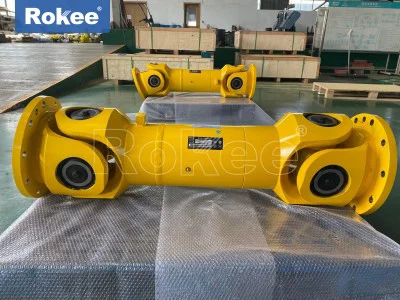
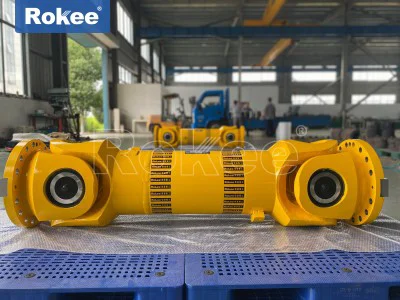
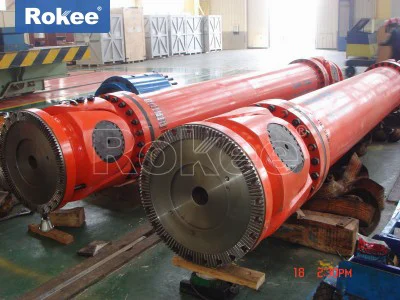
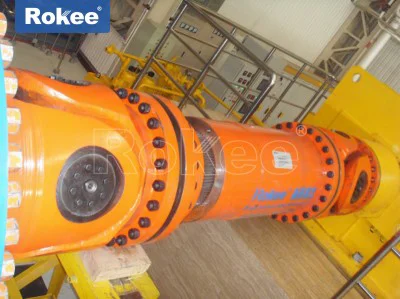
The structural design of heavy duty universal shaft couplings is the fundamental support for their superior heavy-load performance, adopting a mature and optimized cross-shaft universal joint structure with reinforced configurations for all core components. The main structure consists of precision-machined fork heads, solid cross shafts, high-load roller bearings, and thickened connecting shafts, all of which are structurally strengthened compared with ordinary universal couplings to withstand extreme mechanical stress. The fork heads adopt an integrated forging process instead of split structures, eliminating structural gaps and deformation risks under heavy torque impact, while the cross shaft features a larger cross-sectional size to disperse pressure and avoid fracture or wear under long-term high-load operation. The matched roller bearings are designed with enhanced load-bearing structures, which can reduce friction resistance during high-speed rotation and bear continuous impact loads generated by mechanical start-stop and load changes. Most heavy-duty models adopt a double-section universal joint structure with intermediate shafts, which effectively offsets the speed fluctuation defect of single-section structures and realizes constant-speed and stable torque transmission even under large angular misalignment. This simple yet robust structural layout avoids redundant accessories, reducing failure points and laying a solid foundation for long-term reliable operation in heavy industrial scenarios.
Material selection is a key factor that determines the service life and comprehensive performance of heavy duty universal shaft couplings, with all key load-bearing components adopting high-strength alloy steel materials with excellent mechanical properties. Common premium alloy materials feature high tensile strength, high hardness, and strong anti-fatigue performance, which can resist torsional deformation, abrasive wear, and thermal fatigue under long-term heavy-load operation. All core parts undergo strict heat treatment processes including quenching and tempering, carburizing, and surface hardening, which greatly improve the surface wear resistance and overall structural toughness of the components, avoiding brittle fracture under sudden impact loads. Different from ordinary couplings using ordinary carbon steel, the materials selected for heavy-duty products can maintain stable mechanical properties in a wide temperature range, without softening failure in high-temperature working environments or brittle cracking in low-temperature cold conditions. Meanwhile, the surface of the coupling is treated with anti-corrosion and anti-rust processes, which effectively isolates the erosion of humid air, dust, and industrial corrosive substances in the working environment. This rigorous material matching and processing technology enables the coupling to maintain stable transmission performance and structural integrity during long-cycle and high-intensity industrial operation.
The core functional characteristics of heavy duty universal shaft couplings are reflected in their excellent misalignment compensation capability and ultra-high torque transmission efficiency, making them irreplaceable in heavy mechanical transmission systems. In actual industrial operation, mechanical equipment inevitably produces multi-dimensional misalignment due to installation deviations, base settlement, operational vibration, and thermal expansion and contraction. This heavy-duty coupling can adapt to large-angle angular misalignment between shafts, while achieving effective compensation for small-range axial and radial displacement, ensuring that power transmission will not be blocked or attenuated by shaft position deviation. Its optimized internal friction structure greatly reduces power loss during operation, achieving extremely high transmission efficiency that remains stable even under full-load and overload operation. In addition, the rigid transmission mode of the coupling enables it to accurately transmit power and speed without hysteresis or deviation, meeting the high-precision power transmission requirements of large-scale heavy equipment. It also has excellent vibration damping and impact resistance, which can absorb the instantaneous impact force generated by equipment start, stop, and load mutation, buffer mechanical vibration, and protect motors, reducers, and other core equipment from impact damage, greatly improving the overall operational stability of the mechanical system.
Heavy duty universal shaft couplings have extremely wide application coverage, mainly serving various large heavy-duty mechanical equipment and industrial production lines that require high-power torque transmission. In the metallurgical industry, they are applied to rolling mill transmission systems, stably transmitting huge torque to support the continuous rolling operation of metal materials under long-term heavy load. In the mining industry, they serve mining conveyors, crushing equipment, and hoisting machinery, adapting to the harsh working conditions of frequent load changes and severe vibration in mine operation to ensure continuous and efficient material transportation and equipment operation. In engineering machinery fields such as cranes, loaders, and road rollers, the couplings connect engine power output ends and working mechanisms, adapting to the angle changes and position deviations of mechanical arms and walking structures during complex construction operations. They also play a key role in agricultural heavy machinery, marine deck machinery, large pumping systems, and oil drilling equipment, reliably supporting the power transmission needs of various high-load and complex working condition scenarios.
The operational stability and environmental adaptability of heavy duty universal shaft couplings make them suitable for long-term continuous operation in various extreme and harsh working environments. Different from precision couplings that are sensitive to environmental changes, this heavy-duty product has a fully enclosed and reinforced structure, which can effectively resist the interference of external environmental factors. In high-dust working scenarios such as mines and construction sites, the sealed structure can prevent dust, gravel, and sundries from entering the internal transmission structure, avoiding bearing blockage and component wear failure. In humid and watery working environments, the anti-corrosion surface treatment and sealed design prevent moisture from eroding internal metal parts and causing rust and transmission jamming. It can also maintain stable working performance in high-temperature industrial workshops and low-temperature outdoor construction environments, without performance attenuation or structural failure caused by temperature changes. Moreover, the coupling has strong anti-overload capability, which can withstand instantaneous overload impact in mechanical operation, effectively avoiding equipment shutdown and component damage caused by sudden load changes, and ensuring the continuity and safety of industrial production.
The maintenance advantages of heavy duty universal shaft couplings further enhance their practical value in industrial production, featuring low daily maintenance costs and long service cycles. The overall structure of the coupling is simple and compact with few wearing parts, eliminating the frequent replacement of elastic components required by flexible couplings. The high-strength alloy materials and precision processing technology enable core components such as cross shafts and bearings to have ultra-long wear resistance, reducing the frequency of component replacement. Daily maintenance work is extremely simple, mainly including regular surface cleaning, lubricating oil replacement for rotating parts, and simple inspection of connection tightness, without complex professional operation or expensive maintenance equipment. Even after long-term high-intensity operation, the coupling will not produce large-scale structural deformation or performance degradation, and can maintain stable transmission performance for a long time. This low-maintenance feature greatly reduces the downtime and maintenance costs of mechanical equipment, improves the overall operation efficiency of industrial production lines, and creates significant economic benefits for industrial production and mechanical operation.
With the continuous upgrading of modern heavy industry and engineering machinery, the performance optimization and technical iteration of heavy duty universal shaft couplings are also advancing continuously, constantly adapting to higher-standard mechanical transmission demands. Modern optimized heavy-duty couplings adopt modular structural design, which realizes standardized component matching, facilitating quick assembly, disassembly, and partial replacement, and greatly improving installation and maintenance efficiency. The upgraded internal transmission structure further reduces operating friction and vibration noise, realizing low-noise and more stable operation while maintaining high torque transmission capacity. At the same time, the updated material formulas and heat treatment processes further improve the product’s fatigue resistance and service life, enabling the coupling to adapt to more extreme high-load and long-cycle working conditions. As core transmission components of heavy mechanical systems, heavy duty universal shaft couplings will continue to be optimized in structural design, material performance, and functional adaptability, providing more reliable and efficient power transmission support for the development of modern heavy industry, engineering construction, and related mechanical equipment fields.