Jaw Type Couplings
Jaw type coupling is an elastic coupling widely used in mechanical transmission systems, and has become an important connecting component in the industrial field due to its unique structure and performance characteristics.
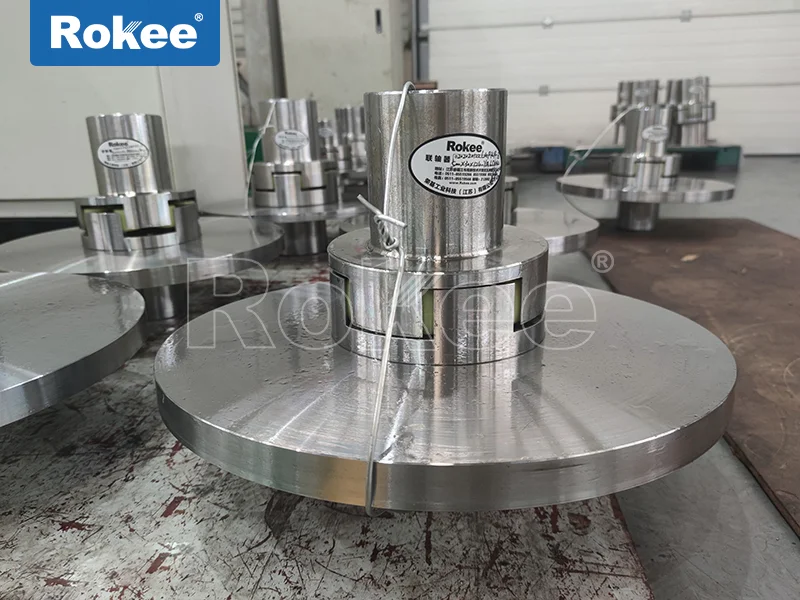
Compared with traditional rigid couplings, jaw type couplings achieve a certain degree of axial, radial, and angular deviation compensation through elastic elements, while also having shock absorption and buffering functions, which can effectively absorb vibration and impact loads in the transmission system. Its compact structure, easy installation, and simple maintenance make it an ideal choice for small and medium power transmission systems.
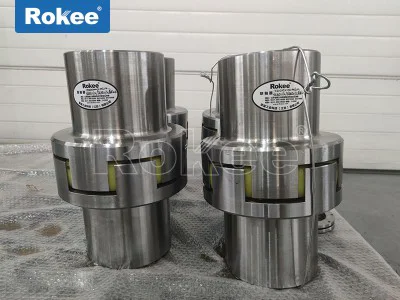
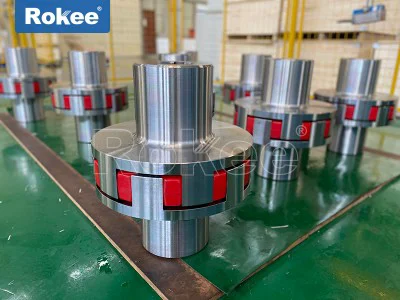
Jaw type couplings typically consist of three basic components:
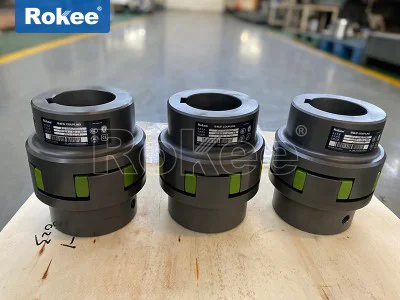
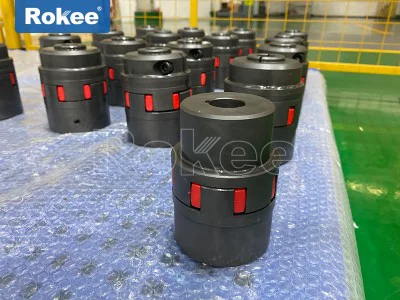
Two metal wheels: usually made of high-quality alloy steel or stainless steel and precision machined. Each wheel hub has a shaft hole at one end (with keyway or clamping design) and evenly distributed claws at the other end (usually 6-8).
Elastic Spider: A star shaped component made of elastic material located between two wheel hubs, with its "arms" interlocked with the wheel hub claws. Common materials include polyurethane, nitrile rubber, Hytrel, etc.
According to application requirements, jaw type couplings have developed various structural variants:
Standard type: The most basic symmetrical structure, with two identical wheels
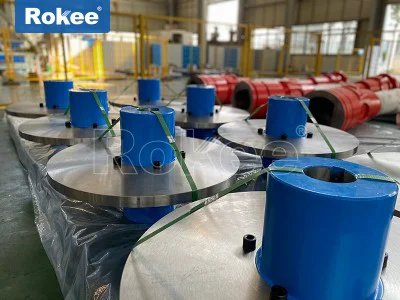
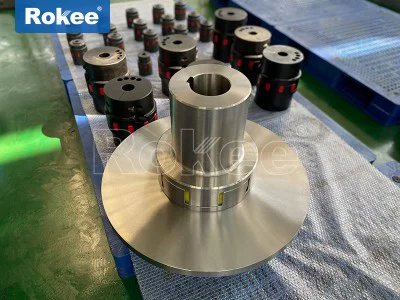
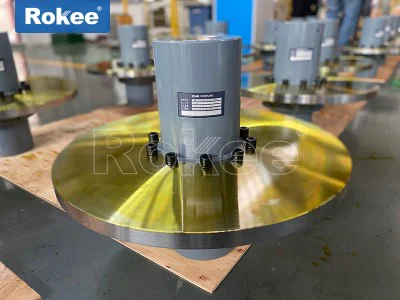
Flange type: One end is connected by a flange, suitable for specific installation requirements
Shaft sleeve type: with extended shaft sleeve, convenient for special installation occasions
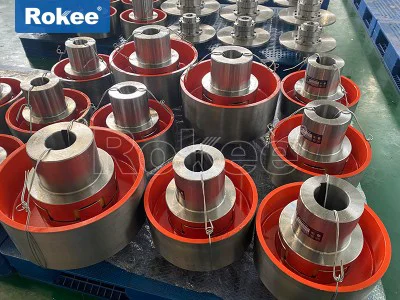
Brake wheel type: Integrated brake wheel function, used in situations where braking is required
The jaw type coupling transmits torque between two metal wheels through an elastic spider. When the driving shaft rotates, the claws of the driving wheel hub compress the elastic spider, which then transmits the force to the claws of the driven wheel hub, thereby achieving power transmission. This structure allows for some elastic deformation during the transmission process, which can compensate for axis deviation.
Jaw type couplings can compensate for three basic types of deviations:
Axial deviation: ± 0.4-1.5mm (depending on specifications)
Radial deviation: 0.2-0.8mm
Angular deviation: generally not exceeding 1-2 degrees
Elastic spider is the core functional component of jaw type coupling, and its material properties directly affect the performance of the coupling:
Hardness: typically Shore A hardness of 60-95, affecting stiffness and damping characteristics
Temperature range: The working temperature range for different materials varies from -40 ° C to+120 ° C
Chemical resistance: Different elastomers have varying degrees of resistance to oil, water, chemicals, etc
Main performance indicators
Rated torque: ranging from a few Newton meters to several thousand Newton meters
Maximum speed: usually 3000-8000rpm, depending on specifications
Torsional stiffness: moderate stiffness, capable of effectively absorbing impacts
Axial stiffness: relatively high, limited axial displacement capability
Inertia: Low, suitable for quick start stop situations
The correct selection of jaw type couplings requires consideration of the following parameters:
Maximum torque of the transmission system (considering peak torque and sustained torque)
Speed range (including maximum speed and critical speed)
Shaft diameter size and connection method (keyway, clamping, etc.)
Environmental conditions (temperature, humidity, corrosive media, etc.)
Deviation compensation requirements (axial, radial, angular deviation)
Space limitations and installation methods
Selection calculation steps
Determine the application coefficient (based on load type and working conditions)
Calculate corrected torque=rated torque x application factor
Select the coupling specification so that its rated torque is equal to or greater than the corrected torque
Verify whether the parameters such as speed and deviation compensation meet the requirements
Correct installation steps
Clean the contact surface between the shaft and coupling
Check the fit tolerance between the shaft and the coupling hole (usually H7/js6)
Avoid using hammers for direct installation, it is recommended to use specialized installation tools
Ensure that the two axes are aligned within the allowable deviation range
Tighten all fastening bolts evenly to avoid unilateral stressroutine maintenance
Regularly check the wear of the elastic spider (recommended to check every 6 months)
Check if the fasteners are loose
Observe the vibration and noise changes during the operation of the coupling
Regular lubrication (required for some models)
Timely replace worn or aged elastomers
Jaw type couplings are widely used in various industrial fields, including but not limited to:
General industrial equipment
Pumps (centrifugal pumps, gear pumps, etc.)
Fans and blowers
compressor
Conveyor belt system
Mixing equipmentAutomated equipment
CNC machine tool
packaging machinery
Printing machinery
textile machinerySpecial applications
Food processing equipment (requires stainless steel material)
Pharmaceutical equipment (must comply with hygiene standards)
Ship equipment (requiring corrosion resistance)
Main advantages
High cost-effectiveness: more competitive in price compared to other flexible couplings
Easy maintenance: Replacement of elastomers requires no mobile devices
Buffer and shock absorption: effectively absorbs impact and vibration
No backlash: providing precise transmission performance
Electrical insulation: can isolate shaft current
Limitations of use
Limited compensation capability, not suitable for large deviation situations
The elastomer has aging issues and needs to be replaced regularly
Performance is limited in high temperature or corrosive environments
Not suitable for extremely high precision or ultra-high speed applications
Proper selection and use of jaw type couplings can significantly improve the reliability and service life of mechanical transmission systems.
Jaw type coupling stands as one of the most widely utilized flexible power transmission components across global industrial systems, valued for its straightforward design, reliable performance, and adaptable functionality in connecting rotating shafts while accommodating minor misalignments and dampening operational vibrations. Unlike rigid couplings that demand perfect shaft alignment and transmit shock loads directly between connected components, jaw type coupling integrates a flexible intermediate element to bridge driving and driven shafts, creating a buffered transmission path that protects adjacent machinery, reduces wear on bearings and shafts, and extends the overall service life of entire power transmission assemblies. At its core, this coupling follows a minimalist three-piece structural framework, consisting of two precision-machined metal hubs and a single elastomeric spider insert positioned between them, with no complex fasteners, lubrication systems, or auxiliary components required for standard operation, making it exceptionally easy to install, maintain, and replace in both open and confined industrial workspaces. Each metal hub features a set of evenly spaced, rigid protrusions known as jaws, machined to precise dimensions and arranged radially around the hub’s inner bore, which is designed to fit tightly onto the corresponding shaft surface, typically secured via keyways, set screws, or clamping mechanisms to prevent slippage during torque transmission. The jaws on one hub are positioned to fit neatly into the gaps between the jaws on the opposing hub, with the elastomeric spider filling every interstitial space to ensure direct contact between the metal jaws and the flexible insert, rather than metal-to-metal contact between the hubs themselves. This fundamental structural layout forms the foundation of all jaw type coupling variants, with subtle modifications to hub design, spider material, and jaw geometry giving rise to specialized models tailored for distinct load conditions, speed ranges, and environmental challenges.
The performance characteristics of jaw type coupling are directly shaped by its structural composition and material selection, with key functional traits including misalignment compensation, vibration damping, shock absorption, torsional torque transmission, and fail-safe operation, all of which distinguish it from other flexible coupling types in industrial power transmission. In terms of misalignment accommodation, standard jaw couplings effectively handle three primary types of shaft misalignment: angular misalignment, parallel misalignment, and axial end float, which are common in real-world industrial setups due to manufacturing tolerances, thermal expansion, foundation settling, and mechanical wear during prolonged operation. While not designed for extreme misalignment, these couplings reliably correct minor deviations, preventing excessive stress on shaft shoulders and bearing housings that could lead to premature failure, a critical benefit in systems where perfect alignment is difficult to maintain over time. The elastomeric spider acts as the primary performance driver for vibration and shock absorption, compressing and rebounding under dynamic load to absorb sudden torque spikes, start-stop jolts, and torsional vibrations generated by motors, pumps, gears, and other rotating equipment. This damping effect reduces noise levels during operation, minimizes resonant frequency buildup, and shields sensitive drive components from impact loads, making jaw couplings ideal for systems with intermittent or fluctuating torque demands. Torsional performance varies based on hub material, spider hardness, and jaw count, with standard models offering consistent torque transmission from low-speed, high-torque heavy-duty scenarios to high-speed, light-load precision applications; metal hubs are engineered to withstand rated torque without deformation, while the elastomeric insert maintains flexibility without permanent compression set under normal operating conditions. A standout performance feature is the fail-safe design inherent to jaw type couplings: in the event that the elastomeric spider wears out, cracks, or breaks under extreme load, the rigid metal jaws will make direct contact with one another, allowing the coupling to continue transmitting torque temporarily, albeit with increased noise and vibration, to avoid catastrophic system downtime and enable scheduled maintenance rather than emergency repairs. This fail-safe capability is particularly valuable in continuous-operation industrial lines where unplanned shutdowns result in significant productivity losses. Additionally, jaw type couplings require no lubrication, resist dust, moisture, and mild chemical exposure, and exhibit low maintenance requirements, with only periodic visual inspections of the spider for wear, cracking, or deformation needed to ensure ongoing performance.
Jaw type couplings are classified into distinct categories based on multiple criteria, including hub material, spider insert material and design, jaw geometry, and structural modifications for specialized applications, with each classification optimized to address specific operational requirements and environmental conditions. Hub material is a primary classification factor, with common options including carbon steel, cast iron, aluminum alloy, and stainless steel, each offering unique mechanical properties. Carbon steel hubs are the most widely used, balancing high tensile strength, durability, and cost-effectiveness for general industrial applications, capable of handling moderate to high torque loads without warping or breaking under normal operating speeds. Cast iron hubs provide excellent rigidity and vibration damping properties, suitable for heavy-duty, low-speed applications where stability is prioritized, though they are heavier and less impact-resistant than steel. Aluminum alloy hubs are lightweight and corrosion-resistant, ideal for high-speed, light-load applications such as precision machinery, automation equipment, and small-scale power transmission systems, where reduced rotational inertia minimizes energy consumption and wear on high-speed bearings. Stainless steel hubs offer superior corrosion resistance and chemical stability, designed for harsh environments with exposure to moisture, salt spray, acids, or alkaline substances, such as marine equipment, food processing machinery, and chemical processing units, where standard metal hubs would rust or degrade quickly. The second critical classification is the elastomeric spider insert, which varies by material and structural design to adjust coupling performance. Common spider materials include nitrile rubber (NBR), polyurethane, high-performance thermoplastic elastomers, and bronze (a rigid non-elastomeric option for specialized use). Nitrile rubber spiders are the standard choice, offering excellent flexibility, vibration damping, oil resistance, and a wide operating temperature range, suitable for most general industrial applications with moderate loads and speeds. Polyurethane spiders provide higher torque capacity, greater abrasion resistance, and better ozone and UV resistance than nitrile rubber, ideal for applications with heavier loads, intermittent shocks, and outdoor or exposed operating conditions, though they offer slightly less vibration damping. High-performance thermoplastic spiders deliver enhanced temperature resistance and torque transmission, suitable for high-temperature industrial environments where standard elastomers would soften or degrade. Bronze spiders, while non-flexible, offer extreme durability and high-temperature resistance for low-speed, high-torque applications where vibration damping is not a priority, such as heavy conveyor systems and industrial mixers. Structural spider designs include solid-center spiders, open-center spiders, snap-wrap spiders, and radial removable load cushions: solid-center spiders are the standard design, offering maximum stability and load distribution for general use; open-center spiders reduce axial space requirements, suitable for applications with limited shaft separation; snap-wrap and radial removable spiders allow for quick replacement without disassembling the hubs or disturbing shaft alignment, streamlining maintenance in hard-to-reach installations. Jaw geometry further classifies couplings into straight jaw and curved jaw designs: straight jaw couplings offer simple manufacturing and high torque transmission, ideal for general-purpose use, while curved jaw designs provide smoother engagement, reduced noise at high speeds, and improved misalignment compensation, suitable for precision and high-speed applications. Additional specialized classifications include single-stage and spacer-type jaw couplings, with spacer models designed for applications requiring increased shaft separation, such as pump and motor assemblies where maintenance access is needed between components.
The versatile performance and diverse classifications of jaw type couplings make them indispensable across a vast range of industrial sectors, serving as a reliable power transmission solution in nearly every field that relies on rotating machinery and shaft-driven systems. In general manufacturing and industrial processing, jaw couplings are extensively used in conveyor systems, where they connect drive motors to conveyor belts and rollers, absorbing the shock of start-stop cycles and accommodating minor misalignments caused by belt tension and frame movement, ensuring smooth and consistent material handling without frequent breakdowns. They are equally prevalent in pump and compressor systems, including centrifugal pumps, gear pumps, reciprocating compressors, and rotary blowers, where they dampen hydraulic pulsations and mechanical vibrations, reducing noise and protecting pump shafts and motor bearings from excessive stress; this application is critical in water treatment facilities, chemical plants, and HVAC systems, where reliable fluid and gas transfer is essential. In the machinery and equipment manufacturing sector, jaw couplings are integrated into machine tools, mixing equipment, agitators, and packaging machinery, providing flexible torque transmission for precision cutting, blending, and packaging operations, where consistent performance and minimal vibration are required to maintain product quality and machining accuracy. For automation and robotic systems, lightweight aluminum alloy jaw couplings are the preferred choice, connecting servo motors, stepper motors, and ball screws, offering low inertia, precise torque transmission, and minor misalignment compensation to support the high-speed, high-precision movement required in automated assembly lines, pick-and-place machinery, and CNC equipment. The food and beverage industry relies on stainless steel jaw couplings for hygiene-critical applications, as they resist corrosion from cleaning agents, moisture, and food byproducts, meeting strict sanitary standards without compromising performance in mixing, filling, and conveying equipment. In agricultural machinery, jaw couplings endure harsh outdoor conditions, connecting engines to irrigation pumps, grain conveyors, and tillage equipment, absorbing shock loads from uneven terrain and heavy workloads, while their low maintenance design suits remote agricultural operations. Marine and offshore applications utilize corrosion-resistant stainless steel and coated jaw couplings to withstand saltwater exposure, powering winches, pumps, and auxiliary machinery on vessels and offshore platforms. Additionally, jaw couplings are used in printing and textile machinery, where precise, vibration-free torque transmission ensures accurate printing registration and smooth yarn processing, as well as in material handling equipment such as forklifts and hoists, providing reliable power transfer while absorbing the shock of heavy load lifting and lowering. Across all these applications, the core appeal of jaw type couplings remains consistent: their simple, robust design delivers reliable performance, easy maintenance, and cost-effective operation, adapting to diverse load conditions, speed ranges, and environmental challenges without sacrificing functionality. Unlike more complex coupling types that require specialized installation or frequent maintenance, jaw type couplings offer a practical, versatile solution that balances performance and accessibility, making them a staple component in industrial power transmission systems worldwide.
Beyond their core functional benefits, jaw type couplings also support sustainable industrial operations by reducing energy waste from misalignment and vibration, minimizing material waste from frequent component replacement, and lowering maintenance labor costs compared to more complex power transmission components. Their modular design allows for individual replacement of worn spider inserts rather than full coupling replacement, further reducing material consumption and operational expenses. As industrial systems continue to evolve toward higher efficiency, reliability, and adaptability, the jaw type coupling remains a relevant and essential component, with ongoing subtle design refinements focused on enhancing elastomer material performance, optimizing jaw geometry for smoother engagement, and expanding compatibility with emerging high-speed and high-torque machinery. While newer coupling technologies have emerged for specialized ultra-high-performance applications, the jaw type coupling’s enduring popularity stems from its perfect balance of simplicity, versatility, and reliability, meeting the core needs of most industrial power transmission scenarios without unnecessary complexity or cost. Whether in small-scale precision equipment or large heavy-duty industrial assemblies, it continues to play a vital role in connecting rotating components, protecting machinery, and ensuring smooth, consistent power flow across countless industrial processes.