Plum Couplings
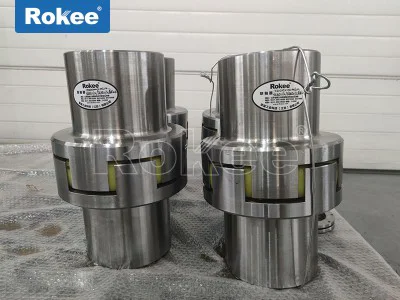
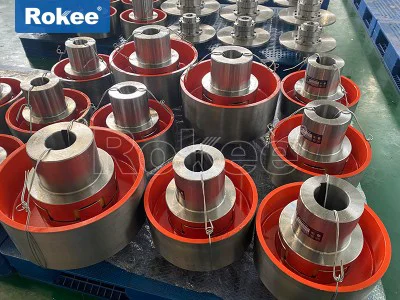
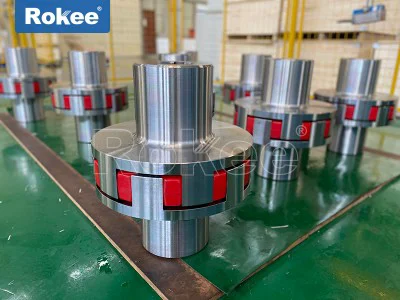
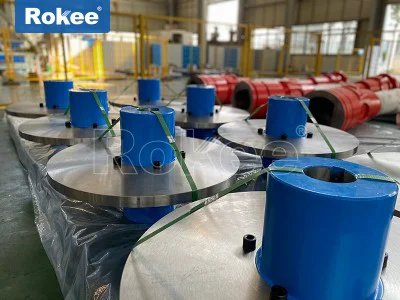
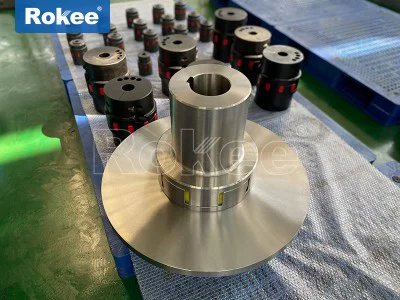
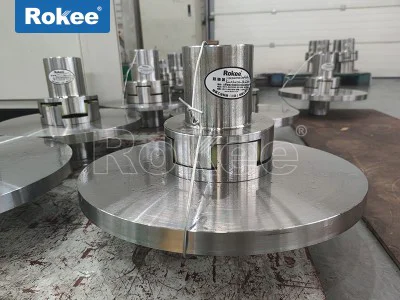
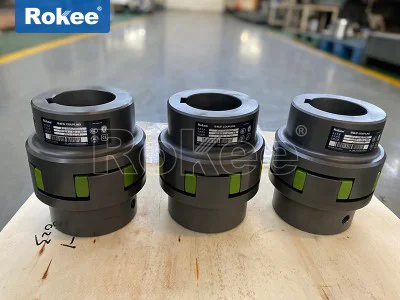
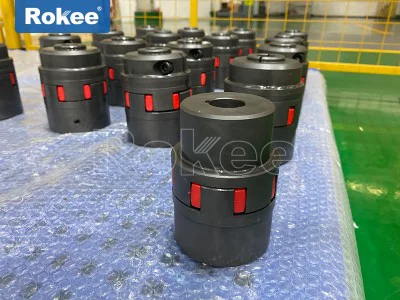
Plum coupling is an elastic coupling widely used in mechanical transmission systems, named after its internal elastic body in the shape of plum blossom petals. This type of coupling achieves flexible connection between two shafts through an intermediate elastic element (usually made of polyurethane or rubber material), which can effectively compensate for axial, radial, and angular deviations, while also having shock absorption and buffering functions.
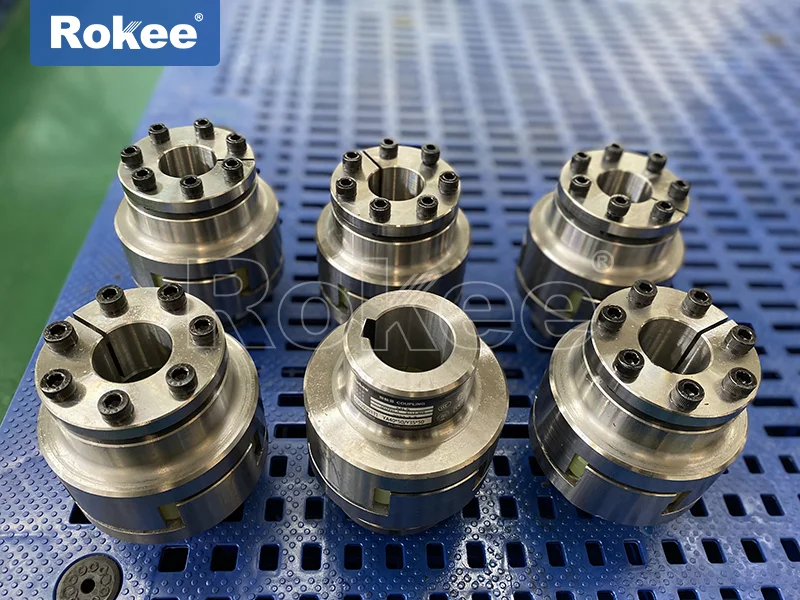
The plum coupling mainly consists of three core components:
Two metal coupling halves: typically made of aluminum alloy, steel, or stainless steel, with staggered claw teeth
Elastic plum blossom pad: located between two halves, shaped like a plum blossom petal, made of elastic materials such as polyurethane, natural rubber, or Hytrel
Fasteners: including bolts, nuts, etc., used to fix the connection between the coupling and the shaft end
Classified by elastic body shape
Standard plum coupling: symmetrical six or eight petal design, suitable for general working conditions
Curved Claw Type: The teeth are curved, providing a larger contact area and higher torque capacity
Claw shaped reinforced type: Special claw shaped design, suitable for high torque or impact load applications
Selection considerations
Torque requirement: Calculate the maximum working torque and peak torque of the system
Shaft diameter matching: Ensure that the coupling aperture matches the shaft diameter
Speed range: not exceeding the rated speed of the coupling
Environmental conditions: temperature, humidity, oil pollution, chemicals, etc
Deviation compensation requirement: Select the appropriate type based on installation accuracy requirements
Inertia matching: High speed applications need to consider rotational inertia
Main advantages
Excellent deviation compensation capability: simultaneously compensating for multiple deviations
Excellent shock absorption performance: can reduce vibration transmission by 30-50%
Backlash free transmission: maintaining precise synchronization
Compact structure: saves installation space
Easy maintenance: quick replacement of elastomers, no need to disassemble equipment
High cost-effectiveness: Compared to other types of couplings, it has outstanding cost-effectiveness
Application scenarios
Pump equipment: centrifugal pump, plunger pump, vacuum pump, etc
Fan system: industrial fan, cooling tower fan
Conveyor machinery: belt conveyor, chain conveyor
Machine tool industry: CNC machine tools, milling machines, lathes
Food packaging machinery: filling machine, labeling machine
Power generation equipment: small generators, wind power yaw systems
Automated production lines: robotic arms, assembly lines
As a fundamental component in the field of mechanical transmission, the technological development of plum couplings will continue to provide more reliable and efficient connection solutions for industrial equipment. Proper selection and use of plum couplings can significantly improve equipment operating efficiency, extend equipment lifespan, and reduce maintenance costs.