LX Star Couplings
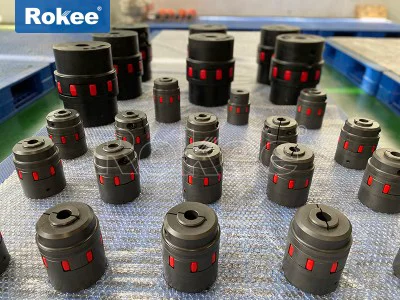
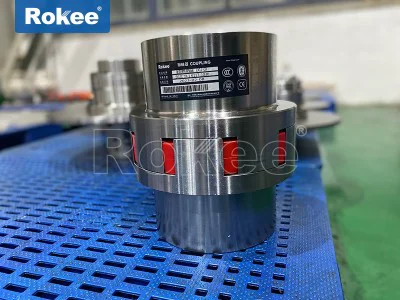
The LX star coupling as an outstanding representative of the new generation of elastic couplings, has been widely used in the field of industrial transmission due to its unique structural design and superior performance characteristics. This type of coupling uses star shaped elastic elements as buffering media, which can effectively absorb and compensate for various deviations while transmitting torque, providing a reliable transmission solution for modern mechanical equipment.
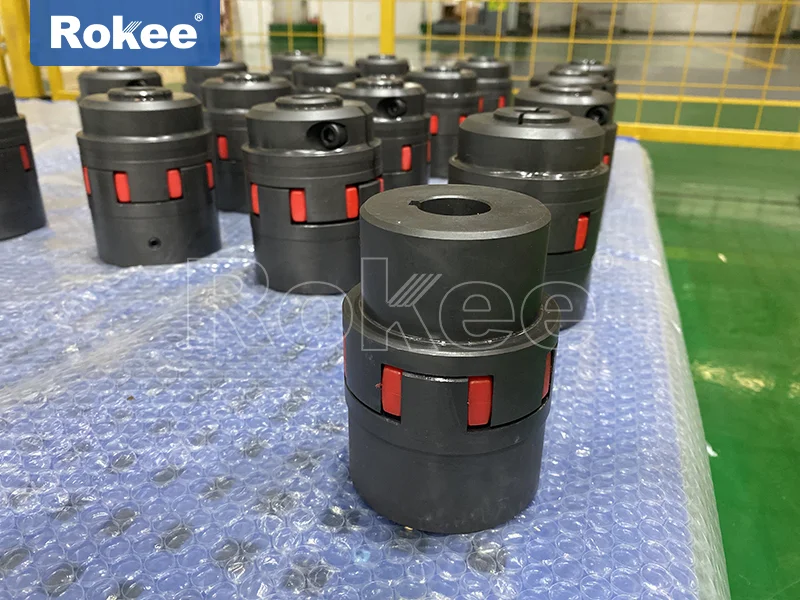
Compared with traditional couplings, the biggest feature of LX star couplings is its "star shaped" elastic structure, which not only improves the torsional stiffness of the coupling, but also significantly enhances its ability to compensate for axial, radial, and angular deviations. In mechanical transmission systems, LX couplings are highly favored by engineers for their excellent shock absorption performance, low maintenance requirements, and long service life.
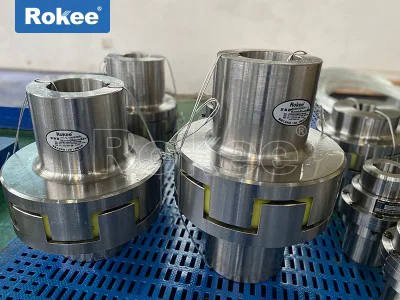
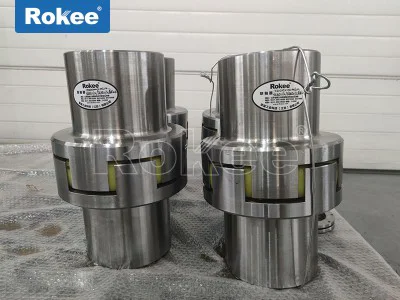
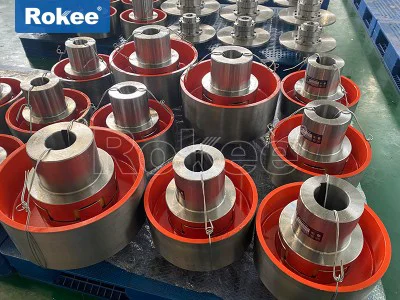
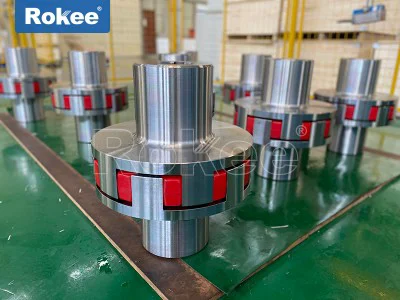
The LX star flex coupling is mainly composed of three key components:
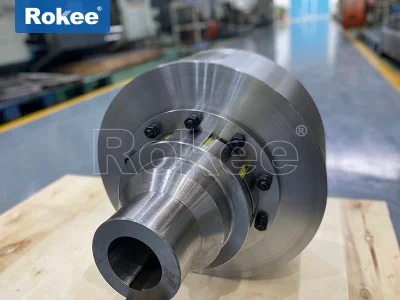
Metal flange: made of high-strength alloy steel or aluminum alloy, providing structural support and connection interfaces
Star shaped elastomer: a specially formulated polyurethane or rubber material with high elasticity and wear resistance
Tightening system: including bolts, nuts, etc., to ensure reliable connection between the coupling and the shaft end
The LX star coupling achieves power transmission and deviation compensation through its unique star shaped elastic body:
Torque transmission: Power is transmitted from the drive shaft to the elastic body through the flange, and then to the driven end
Deviation compensation: The elastic deformation of star shaped elastomers can absorb axial displacement (± 0.5-3mm), radial displacement (0.2-1.5mm), and angular deviation (1 ° -3 °)
Shock absorption and buffering: The damping characteristics of elastic materials effectively absorb impact loads and vibrations, protecting the transmission system
During operation, the LX star flexible coupling exhibits multiple outstanding performances:
Self centering ability: The deformation characteristics of the elastic body give the coupling a certain degree of automatic centering function
Backless transmission: The pre compressed elastic material ensures no clearance during the transmission process, making it particularly suitable for precision transmission
Overload protection: When the torque exceeds the rated value, the elastic body can slide to avoid equipment damage
Modern LX star couplings have excellent performance:
Transmission efficiency: up to 99% or more (with no lubrication design to reduce energy loss)
Service life: up to 20000-50000 hours under normal operating conditions
Maintenance cycle: maintenance free design or recommended to check the condition of the elastomer every 2 years
The LX star coupling has formed a complete series of products:
Micro series: outer diameter 30-80mm, suitable for precision instruments and small equipment
Standard series: outer diameter 80-300mm, most widely used in industrial applications
Heavy duty series: outer diameter 300-600mm, meeting high torque requirements
Customized Series: Non standard sizes can be designed according to special requirements
LX star couplings cover almost all industrial transmission fields:
Automation equipment: robotic arms, CNC machine tools, packaging machinery
Power transmission: connection of motor, reducer, and pump unit
Transportation machinery: conveyor belts, lifting equipment, rail transit
Energy equipment: wind power generation, hydroelectric power generation units
Special Machinery: Ship Propulsion, Mining Machinery, Metallurgical Equipment
Although the LX star coupling is designed to be maintenance free, proper maintenance can extend its lifespan
Regular inspection: Check the wear of the elastic body and the tightening status of the bolts every 6 months
Cleaning advice: Use neutral cleaning agents to avoid solvent corrosion of elastomers
Storage conditions: Avoid direct sunlight and stay away from ozone sources
With the advancement of industry and intelligent manufacturing, LX flexible couplings will develop towards higher performance, intelligence, and environmental friendliness, continuing to play a key role in the field of industrial transmission.
In the complex landscape of mechanical power transmission systems, flexible couplings stand as indispensable components that bridge rotating shafts, facilitate torque transfer, mitigate operational stresses, and compensate for unavoidable misalignments that arise from manufacturing tolerances, thermal expansion, mechanical wear, and improper installation. Among the diverse array of flexible coupling variants, the LX star coupling has emerged as a widely adopted solution, prized for its balanced combination of compact design, reliable torque transmission, effective vibration damping, and adaptable misalignment compensation. Unlike rigid couplings that demand perfect shaft alignment and offer no flexibility, this star-shaped flexible coupling is engineered to address the dynamic challenges of real-world industrial operations, where perfect shaft collinearity is rarely achievable and consistent, smooth power delivery is critical for equipment longevity and operational efficiency.
At its core, the LX star coupling features a streamlined, modular structural design that prioritizes simplicity, durability, and ease of assembly, consisting of two primary rigid hubs and a central elastic star-shaped insert, commonly referred to as a spider. The two hubs are precision-machined components designed to mount securely onto the driving and driven shafts respectively, featuring bore configurations tailored to fit standard shaft diameters with a tight, secure fit to prevent slippage during torque transmission. These hubs are typically constructed from high-strength metallic materials, selected based on the intended operational load and environmental conditions, with common options including carbon steel, cast iron, and aluminum alloy. Carbon steel hubs offer exceptional tensile strength and torque-carrying capacity, making them suitable for heavy-duty, high-load applications; aluminum alloy hubs, by contrast, deliver lightweight properties, corrosion resistance, and ease of machining, ideal for lightweight, high-speed, or precision-driven systems where reduced rotational inertia is beneficial. The inner surfaces of each hub are crafted with evenly spaced, curved recesses that precisely match the contour of the star-shaped elastic insert, ensuring full surface contact and uniform load distribution across the coupling’s elastic components. The central star insert is the defining flexible element of the coupling, featuring a multi-armed star profile that fits snugly into the matching recesses of both hubs, creating a flexible yet robust connection between the two shafts. This elastic insert is manufactured from high-performance elastomeric materials, engineered to deliver optimal flexibility, wear resistance, and damping properties, with material formulations tailored to withstand varying temperatures, chemical exposures, and mechanical stresses without losing functional integrity.
The structural mechanics of the LX star coupling enable it to perform three core functions simultaneously: efficient torque transmission, controlled misalignment compensation, and effective vibration and shock absorption. When torque is applied to the driving shaft, it is transferred from the driving hub to the elastic star insert through the interlocking recesses and arms, with the elastic element deforming slightly to accommodate any minor shaft misalignment before passing the torque onward to the driven hub and connected equipment. This controlled elastic deformation is critical to the coupling’s performance, as it eliminates the direct metal-to-metal contact between the two hubs that would occur in a rigid coupling, thereby reducing friction, wear, and noise generation. Unlike rigid couplings that transfer all mechanical stresses and misalignment forces directly to the shafts, bearings, and connected machinery, the LX star coupling’s elastic insert acts as a buffer, absorbing torsional vibrations, sudden shock loads, and transient torque spikes that commonly occur during equipment startup, shutdown, or sudden load changes. This buffering effect significantly reduces the risk of premature fatigue failure in shafts, bearings, gears, and other sensitive transmission components, extending the overall service life of the entire mechanical system. The coupling’s design also allows for the accommodation of three primary types of shaft misalignment: angular misalignment, where the two shafts form a small angle at their intersection; radial misalignment, where the shafts are parallel but offset laterally; and axial misalignment, where the shafts move slightly toward or away from each other along their central axis. Each type of misalignment is managed through the targeted elastic deformation of the star insert’s arms, with the multi-arm star profile ensuring that stress is distributed evenly across the entire insert, preventing localized overloading and premature wear at specific points.
The performance characteristics of the LX star coupling are shaped by both its structural design and the materials used in its construction, resulting in a versatile component that can be customized to meet the demands of diverse operating environments. One of its most notable performance traits is its exceptional torsional flexibility paired with moderate torsional stiffness, striking a balance that allows for effective misalignment compensation without sacrificing torque transmission efficiency. This balance makes it suitable for a wide range of rotational speeds, from low-speed, high-torque heavy machinery to high-speed precision equipment, with consistent performance across varying operational parameters. The elastomeric star insert is the primary driver of the coupling’s damping capabilities, with the material’s inherent viscoelastic properties enabling it to absorb vibrational energy and convert it into minimal heat, reducing noise levels and minimizing the transmission of vibration from the driving source to the driven equipment. This damping effect is particularly valuable in applications where vibration can disrupt operational precision, damage delicate components, or create uncomfortable working environments for operators. Additionally, the LX star coupling exhibits strong resistance to fatigue failure, as the elastic insert is designed to withstand repeated cycles of elastic deformation without cracking, hardening, or losing flexibility over extended periods of use. The metallic hubs offer high mechanical strength and dimensional stability, resisting deformation under heavy torque loads and maintaining a secure fit on the shafts even under continuous operational stress. Environmental resilience is another key performance feature, with compatible elastomer materials allowing the coupling to operate effectively within a broad temperature range, resist exposure to common industrial fluids such as oils, lubricants, and mild chemicals, and withstand dust and moisture in harsh workshop or outdoor settings. The coupling also boasts low maintenance requirements, with a design that minimizes the need for regular lubrication, as the elastic insert operates without metal-on-metal friction, reducing wear and the need for frequent upkeep; in cases where the elastic insert does wear out over time, it can be replaced independently without removing the entire coupling or disassembling the shaft setup, minimizing downtime and maintenance costs.
The LX star coupling is categorized into distinct variants based on several key criteria, primarily material composition of the hubs and elastic insert, structural dimensions, and load-bearing capabilities, with each classification tailored to specific operational needs and industrial scenarios. The most common classification is based on the hub material, separating into steel hub variants, cast iron hub variants, and aluminum alloy hub variants. Steel hub LX star couplings are engineered for heavy-duty applications, offering maximum torque capacity, exceptional impact resistance, and long-term durability under high loads and harsh mechanical stresses; these are typically deployed in industrial machinery where high torque transmission is non-negotiable, and the risk of shock loads is high. Cast iron hub variants provide a cost-effective balance of strength and rigidity, suitable for medium-load, steady-state operations where high precision is not the primary requirement, offering good wear resistance and dimensional stability at a more accessible material cost. Aluminum alloy hub variants are lightweight and corrosion-resistant, designed for high-speed, low-to-medium load applications where reduced rotational mass is critical to minimizing energy consumption and maintaining operational precision, such as in precision manufacturing equipment or small-scale automated machinery. A secondary classification is based on the elastomer material of the star insert, with the most common options being nitrile rubber, polyurethane, and neoprene elastomers. Nitrile rubber inserts offer excellent oil resistance, good flexibility at moderate temperatures, and reliable damping properties, making them ideal for general industrial applications where exposure to lubricants and oils is common. Polyurethane inserts deliver superior wear resistance, higher tensile strength, and broader temperature tolerance, suitable for heavy-duty, high-wear environments where the coupling is subjected to continuous, repetitive loading and extended operational hours. Neoprene inserts offer enhanced resistance to ozone, weathering, and moisture, making them well-suited for outdoor applications or environments with high humidity and exposure to environmental elements. Additional classifications are based on overall size, bore diameter, and torque rating, with a wide range of standard dimensions available to fit varying shaft sizes and load requirements, from small-scale miniature couplings for precision instruments to large-scale heavy-duty couplings for industrial processing machinery. Each variant maintains the core star-shaped structural design but is optimized to prioritize specific performance traits, whether that be maximum torque capacity, high-speed stability, extreme environmental resistance, or compact form factor for space-constrained installations.
Owing to its versatile design, reliable performance, and adaptable classification options, the LX star coupling finds extensive and varied applications across nearly every sector of industrial and mechanical engineering, serving as a critical component in countless power transmission systems where flexible, reliable shaft connection is required. In the general manufacturing sector, it is widely used in machine tools such as lathes, milling machines, grinders, and drilling equipment, where it connects motor shafts to the machine’s drive mechanisms, compensating for minor misalignments caused by continuous operation and reducing vibration to ensure high machining precision and surface finish quality. In the fluid handling industry, the coupling is a staple in pump systems, including centrifugal pumps, water pumps, oil pumps, and hydraulic pumps, as well as compressor systems, where it dampens the pulsating vibrations generated by pump and compressor operation, prevents damage to shaft seals and bearings, and ensures consistent fluid flow without disruptive fluctuations. It is also commonly integrated into fan and blower systems, both for industrial ventilation and HVAC applications, where it reduces noise and vibration from rotating fan blades, extending the service life of fan motors and supporting stable airflow performance. The packaging and printing industry relies heavily on LX star couplings for automated packaging machinery, labeling machines, printing presses, and conveyor systems, where precise, smooth torque transmission is essential for maintaining accurate registration, consistent material feed, and uninterrupted production flow; the coupling’s vibration damping properties prevent misalignment-related errors in printing and packaging, reducing product waste and production downtime.
In the automotive and transportation equipment sector, modified variants of the LX star coupling are used in various auxiliary mechanical systems, connecting engine components to auxiliary drives, power steering mechanisms, and other rotating parts, where it absorbs engine vibration and compensates for minor shaft movement caused by vehicle operation. Agricultural machinery, including tractors, harvesters, seeders, and irrigation equipment, also utilizes these couplings to connect power take-off shafts, engine drives, and implement mechanisms, withstanding the harsh outdoor conditions, dust, and variable loads common in agricultural operations while ensuring reliable power delivery to farming implements. In the field of automation and robotics, compact, lightweight LX star couplings with aluminum alloy hubs are integrated into robotic arms, automated assembly lines, linear motion systems, and precision positioning equipment, where their low inertia, precise torque transfer, and misalignment compensation capabilities support the high accuracy and repeatability required for automated manufacturing and material handling tasks. Additionally, the coupling is used in material handling equipment such as conveyors, elevators, and hoists, where it provides a flexible, durable connection between drive motors and conveyor belts or lifting mechanisms, absorbing shock loads from starting and stopping heavy loads and reducing wear on conveyor components. It also finds application in textile machinery, food processing equipment, woodworking machinery, and mining equipment, adapting to the unique operational demands of each industry, from the high-speed, low-vibration requirements of textile spinning machines to the heavy-load, rugged durability needs of mining processing equipment.
Beyond its direct functional applications, the LX star coupling offers significant indirect benefits to industrial operations, including enhanced equipment reliability, reduced maintenance costs, and improved overall system efficiency. By eliminating the damaging effects of shaft misalignment and absorbing vibration and shock loads, it minimizes the frequency of equipment breakdowns and the need for costly repairs or component replacements, reducing operational downtime and increasing productivity. Its simple, modular design allows for quick and straightforward installation, with no complex alignment procedures required compared to rigid couplings, saving time during initial setup and equipment maintenance. The ability to replace only the elastic insert when worn, rather than the entire coupling, further reduces long-term maintenance costs and material waste, aligning with sustainable industrial practices. While it is not designed for extreme misalignment scenarios or ultra-high torque applications that require specialized heavy-duty couplings, the LX star coupling fills a critical niche in the broad middle range of power transmission needs, offering a cost-effective, reliable, and versatile solution that balances performance, durability, and ease of use. Its widespread adoption across diverse industries is a testament to its well-engineered design, which addresses the most common pain points in mechanical power transmission while remaining adaptable to evolving industrial requirements.
In summary, the LX star coupling represents a thoughtfully engineered flexible power transmission component that combines a simple, modular structural design with high-performance functional traits, offering reliable torque transmission, effective misalignment compensation, and superior vibration damping. Its classification into hub and elastomer material variants allows for precise customization to match specific operational loads, environmental conditions, and speed requirements, making it suitable for an unparalleled range of industrial applications. From precision manufacturing and fluid handling to automation, agriculture, and material handling, the LX star coupling plays a vital role in ensuring the smooth, reliable operation of mechanical systems, protecting critical components from premature wear and failure, and supporting efficient, sustainable industrial production. As mechanical engineering continues to evolve toward greater precision, efficiency, and durability, the core design principles of the LX star coupling remain relevant, with ongoing material and manufacturing refinements further enhancing its performance and expanding its potential applications. Its enduring popularity in the industrial sector underscores its status as a foundational component in modern power transmission systems, valued for its practicality, reliability, and ability to deliver consistent performance in the face of everyday mechanical challenges.