Wear-resistant Universal Shaft Coupling Extends The Service Life Of Sandwich Panel Line
In the realm of modern industrial production, the sandwich panel line stands as a cornerstone of efficiency and productivity, playing an indispensable role in manufacturing components widely used in construction, automotive, and aerospace industries. These production lines operate continuously under harsh conditions, enduring constant mechanical stress, vibration, and exposure to dust, debris, and varying temperatures. Among the numerous components that constitute a sandwich panel line, the universal shaft coupling is a critical mechanical transmission element, responsible for connecting different shaft systems, transmitting torque, and compensating for misalignments between rotating parts. However, the traditional universal shaft coupling often suffers from rapid wear and tear due to the demanding operational environment of sandwich panel lines, leading to frequent breakdowns, unplanned downtime, and increased maintenance costs. In this context, the development and application of wear-resistant universal shaft couplings have emerged as a game-changer, effectively extending the service life of sandwich panel lines and enhancing overall production efficiency.
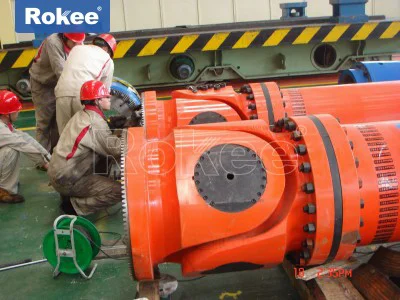
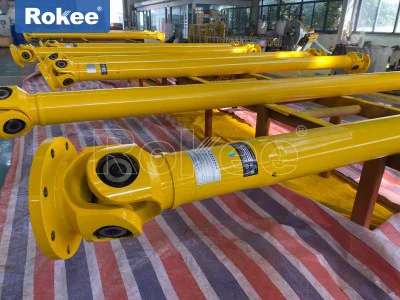
To understand how wear-resistant universal shaft couplings contribute to the longevity of sandwich panel lines, it is first essential to grasp the core functions and operational challenges of universal shaft couplings in such production systems. A universal shaft coupling, also known as a universal joint coupling, is designed to transmit torque and rotational motion between two shafts that are not perfectly aligned—either angularly, radially, or axially. This capability is crucial in sandwich panel lines, where multiple components such as unwinding machines, rolling mills, cutting devices, and conveying systems operate in coordination, often with slight misalignments caused by manufacturing tolerances, thermal expansion, or dynamic load-induced movement. The coupling acts as a flexible bridge, ensuring smooth power transmission while accommodating these misalignments, thereby preventing excessive stress on other mechanical components.
The operational environment of a sandwich panel line poses significant challenges to the durability of universal shaft couplings. Sandwich panel production involves processes such as material unwinding, pressing, heating, curing, and cutting, each generating substantial mechanical loads and vibrations. For instance, during the pressing stage, the rollers exert high pressure on the raw materials, creating intense torque that the coupling must transmit reliably. Additionally, the production environment is often filled with dust, metal particles, and residual adhesives, which can infiltrate the coupling’s internal components, causing friction, corrosion, and accelerated wear. Traditional couplings, constructed with standard materials and basic structural designs, are prone to premature failure under these conditions. Common issues include wear of the cross shaft, bearing damage, spline degradation, and seal failure, all of which can lead to coupling malfunction and subsequent downtime of the entire production line. The cost of such downtime is substantial, as it not only disrupts production schedules but also increases maintenance expenses, replacement costs, and labor costs associated with repairing or replacing damaged components.
Wear-resistant universal shaft couplings address these challenges through advanced material selection, optimized structural design, and enhanced protective features, significantly improving their durability and performance in harsh sandwich panel production environments. The key to their wear resistance lies in the careful choice of materials for critical components. Unlike traditional couplings that use standard steel or cast iron, wear-resistant couplings incorporate high-strength, wear-resistant materials such as alloy steel, stainless steel, and specialized composite materials. For example, the cross shaft and bearings—core components of the coupling that bear the brunt of torque and friction—are often made from hardened alloy steel, which undergoes heat treatment processes to enhance its hardness, toughness, and resistance to wear and corrosion. Stainless steel is particularly effective in environments with high humidity or corrosive substances, as it prevents rust and degradation caused by moisture and chemical exposure. Additionally, some couplings use composite materials with embedded solid lubricants, which reduce friction between moving parts and further extend wear life by minimizing metal-to-metal contact.
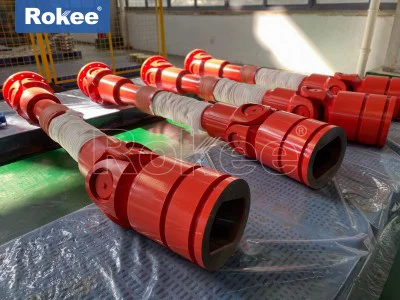
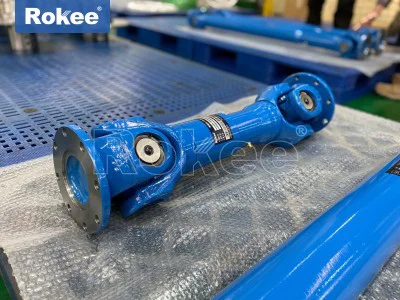
In addition to material advancements, the structural design of wear-resistant universal shaft couplings is optimized to enhance their resistance to wear and improve overall performance. One key design improvement is the incorporation of reinforced bearings, such as needle roller bearings or spherical roller bearings, which offer higher load-bearing capacity and better wear resistance compared to standard bearings. These bearings are designed to distribute torque evenly, reducing localized stress and preventing premature wear. Another important design feature is the use of improved sealing systems. Traditional couplings often have inadequate sealing, allowing dust, debris, and moisture to enter the internal components, accelerating wear and corrosion. Wear-resistant couplings address this issue with advanced sealing mechanisms, such as rubber seals, labyrinth seals, or lip seals, which effectively prevent the intrusion of contaminants while maintaining the free movement of the coupling’s parts. Some couplings also feature a protective cover or rubber sheath that encases the entire coupling, providing an additional layer of protection against external debris and physical damage.
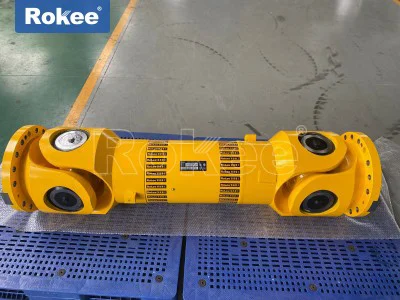
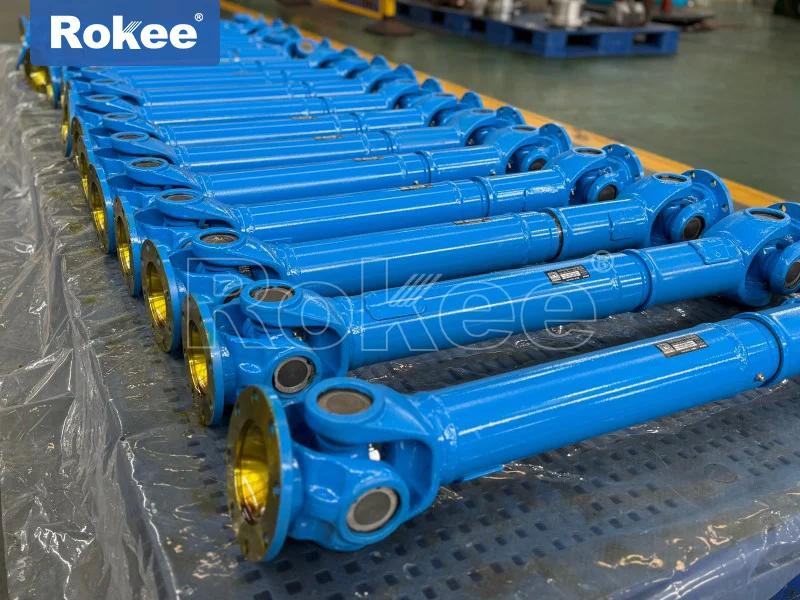
The optimization of the coupling’s structure also includes measures to reduce vibration and noise, which are significant contributors to wear and tear in sandwich panel lines. Excessive vibration can cause misalignment, increase friction between components, and lead to fatigue failure over time. Wear-resistant universal shaft couplings are designed with balanced configurations to minimize vibration during operation. For example, double universal joint assemblies, consisting of two universal joints connected by an intermediate shaft, are often used to compensate for angular misalignment while reducing speed fluctuations and vibration. This configuration ensures smooth power transmission, even at high operating angles, and reduces the stress on the coupling and other connected components. Additionally, some couplings incorporate damping elements, such as rubber or elastomeric components, which absorb vibration and shock, further protecting the coupling from damage and extending its service life.
The impact of wear-resistant universal shaft couplings on the service life of sandwich panel lines is multifaceted, extending beyond the longevity of the coupling itself to the entire production system. By reducing the frequency of coupling failures, these components minimize unplanned downtime, allowing the production line to operate continuously for longer periods. This not only increases productivity but also reduces the wear and tear on other mechanical components of the line. For example, when a traditional coupling fails, it can cause sudden jolts or misalignments in connected shafts, leading to damage to motors, reducers, rollers, and other critical equipment. Wear-resistant couplings, with their enhanced durability and stability, prevent such secondary damage, protecting the entire production line from costly repairs and replacements.
Furthermore, wear-resistant universal shaft couplings reduce maintenance requirements, further contributing to the extended service life of sandwich panel lines. Traditional couplings require frequent lubrication, inspection, and replacement of worn components, which is time-consuming and costly. Wear-resistant couplings, however, are designed to require less maintenance due to their durable materials and advanced sealing systems. The use of self-lubricating materials or长效 lubricants reduces the need for regular lubrication, while the robust construction minimizes the risk of component failure, reducing the frequency of inspections and replacements. This not only saves time and labor but also reduces the amount of downtime associated with maintenance activities, allowing the production line to operate more efficiently.
To fully realize the benefits of wear-resistant universal shaft couplings, proper installation and maintenance are still essential. Even the most durable coupling will underperform if installed incorrectly or not maintained properly. During installation, it is crucial to ensure proper alignment of the connected shafts, as excessive misalignment can increase stress on the coupling and reduce its service life. The use of specialized tools, such as laser alignment devices, can help achieve precise alignment, ensuring optimal performance. Additionally, regular inspections are necessary to check for signs of wear, damage, or contamination. This includes examining the coupling for cracks, corrosion, or excessive play in the bearings, as well as checking the seals to ensure they are intact and functioning properly. Any issues identified during inspections should be addressed promptly to prevent further damage and ensure the coupling continues to operate effectively.
Another important consideration is the selection of the appropriate wear-resistant universal shaft coupling for the specific requirements of the sandwich panel line. Different production lines may have varying torque requirements, operating angles, and environmental conditions, and selecting a coupling that is tailored to these needs is crucial for maximizing its effectiveness. For example, heavy-duty sandwich panel lines that handle large volumes of materials and operate under high torque may require couplings with higher load-bearing capacity and more robust construction, while lines operating in corrosive environments may benefit from couplings made of stainless steel or other corrosion-resistant materials. Consulting with mechanical engineering experts or coupling manufacturers can help ensure that the right coupling is selected for the application, further enhancing the service life of the production line.
The long-term benefits of using wear-resistant universal shaft couplings in sandwich panel lines are significant for manufacturing enterprises. By extending the service life of the production line, these couplings help reduce capital expenditure on equipment replacement, as the line can operate efficiently for a longer period. Additionally, the reduction in downtime and maintenance costs leads to lower operational expenses, improving the overall profitability of the enterprise. Furthermore, the increased reliability and stability of the production line result in consistent product quality, as unplanned downtime and equipment failures can lead to defects in the sandwich panels. This consistency is crucial for maintaining customer satisfaction and competitiveness in the market.
In conclusion, wear-resistant universal shaft couplings play a vital role in extending the service life of sandwich panel lines by addressing the key challenges of wear, corrosion, and vibration in harsh industrial environments. Through advanced material selection, optimized structural design, and enhanced protective features, these couplings offer superior durability, reliability, and performance compared to traditional couplings. They minimize unplanned downtime, reduce maintenance requirements, protect other critical components of the production line, and ultimately improve productivity and profitability for manufacturing enterprises. As the demand for efficient and reliable sandwich panel production continues to grow, the adoption of wear-resistant universal shaft couplings will become increasingly important, providing a cost-effective solution to extend the service life of these essential production systems. By investing in high-quality wear-resistant couplings and ensuring proper installation and maintenance, enterprises can maximize the value of their sandwich panel lines and achieve long-term operational success.