Efficient And Wear-resistant Cardan Shaft Adapting To Heavy-load Working Conditions Of PU Sandwich Panel Line
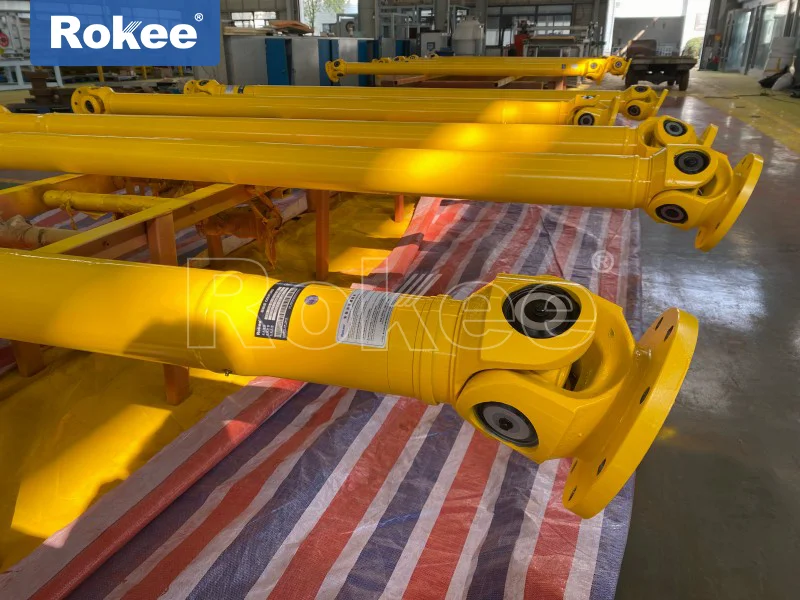
In the modern construction industry, polyurethane (PU) sandwich panels have become an indispensable building material due to their excellent thermal insulation, flame retardancy, environmental friendliness, and structural stability. These panels, composed of two outer facing materials and a rigid PU foam core, are widely used in external walls, roofs, cold storage facilities, and various prefabricated buildings, driving the continuous development and innovation of their production technology. The PU sandwich panel production line is a complex integrated system that involves multiple processes, including uncoiling of facing materials, roll forming, preheating, PU foaming, lamination, curing, and cutting. Each link requires precise and stable power transmission to ensure the consistency of product quality and the efficiency of the production process. Among the numerous components that make up the transmission system of the production line, the cardan shaft, also known as the universal joint shaft, stands out as a core component, whose performance directly determines the operational stability, production efficiency, and service life of the entire production line. Especially under heavy-load working conditions, the cardan shaft must possess excellent efficiency and wear resistance to cope with long-term continuous operation, frequent load changes, and harsh working environments, making it an indispensable key part in the heavy-load transmission system of PU sandwich panel lines.
To understand the importance of an efficient and wear-resistant cardan shaft in the heavy-load working conditions of PU sandwich panel lines, it is first necessary to clarify the working characteristics of the production line and the core challenges faced by its transmission system. A modern PU sandwich panel production line is a continuous and automated production system that integrates mechanical, electrical, hydraulic, and chemical reaction technologies. It requires the coordinated operation of multiple subsystems, such as the uncoiling system, roll forming system, foaming system, double-belt lamination system, cutting system, and conveying system. Each subsystem is driven by a separate power source, and the power needs to be transmitted to various executing components accurately and stably to ensure that the entire production line operates in a synchronized manner. The transmission system of the production line is faced with several key challenges: first, the installation and layout of each subsystem are often not on the same axis due to the limitations of the production process and the overall structure of the equipment, resulting in angular deviations between the driving shaft and the driven shaft; second, during the long-term continuous operation of the production line, the equipment will generate vibration and thermal expansion, leading to changes in the relative position of the shafts, which requires the transmission component to have a certain compensation capacity; third, the production process of PU sandwich panels involves heavy-load operations such as roll forming of steel plates and lamination of sandwich layers, which requires the transmission component to bear large torque and impact loads for a long time; fourth, the production environment of PU sandwich panel lines may have dust, moisture, and even chemical residues from the foaming process, which will accelerate the wear and corrosion of transmission components, affecting their service life and operational efficiency. Under such heavy-load and complex working conditions, the traditional cardan shaft often has problems such as insufficient load-bearing capacity, fast wear of universal joints, low transmission efficiency, and frequent maintenance, which seriously affect the normal operation of the production line, increase production costs, and reduce production efficiency. Therefore, developing an efficient and wear-resistant cardan shaft that can adapt to the heavy-load working conditions of PU sandwich panel lines has become an urgent demand in the industry.
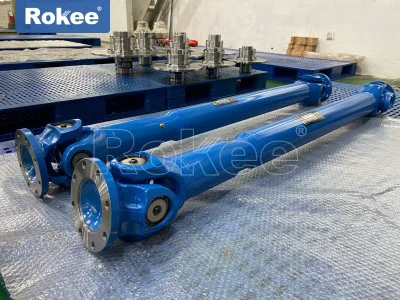
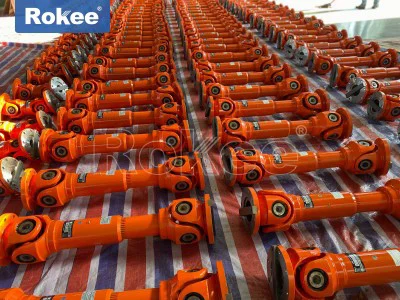
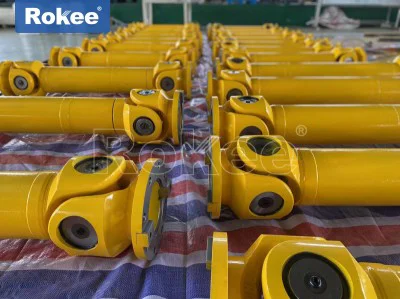
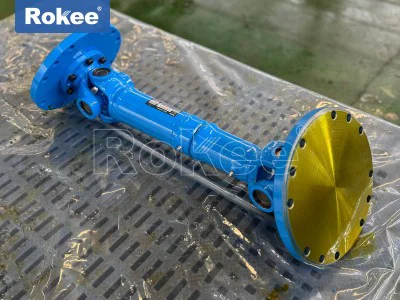
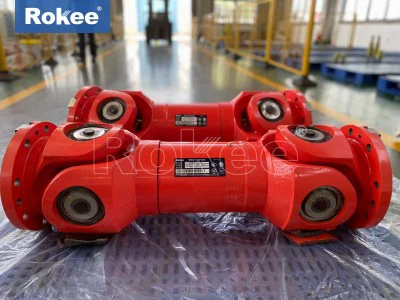
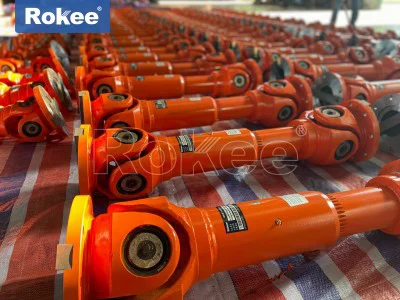
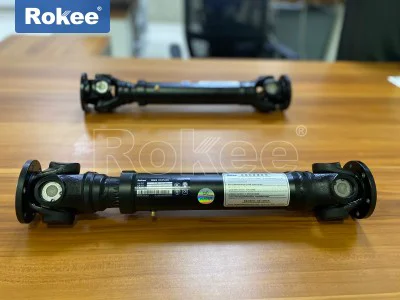
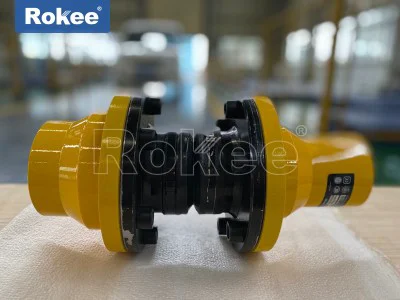
The efficient and wear-resistant cardan shaft adapted to the heavy-load working conditions of PU sandwich panel lines achieves excellent performance through optimized structural design, high-performance material selection, and advanced surface treatment technology. Unlike traditional cardan shafts, it is designed with the specific working characteristics of PU sandwich panel lines in mind, focusing on solving the pain points of low efficiency, easy wear, and poor stability under heavy-load conditions. In terms of structural design, the cardan shaft adopts a modular design concept, which not only simplifies the installation and maintenance process but also ensures the stability and consistency of the structure. The universal joint, as the core part of the cardan shaft, is designed with a cross-axis structure with enhanced load-bearing capacity, and the size and thickness of the cross-axis are optimized according to the actual torque requirements of the PU sandwich panel line. The cross-axis is equipped with high-precision bearings, which can reduce the friction coefficient during operation, improve transmission efficiency, and at the same time bear large radial and axial loads, adapting to the impact of heavy-load operations. In addition, the cardan shaft is equipped with a telescopic spline structure, which can effectively compensate for the axial displacement caused by thermal expansion and equipment vibration during the operation of the production line, avoid the occurrence of structural stress, and ensure the smooth transmission of power. The spline structure adopts a precise machining process, and the fit between the spline and the sleeve is optimized to reduce wear during relative movement, further improving the wear resistance and service life of the cardan shaft.
Material selection is another key factor determining the efficiency and wear resistance of the cardan shaft. For the main body of the cardan shaft, high-strength alloy steel is selected, which has excellent mechanical properties such as high tensile strength, high yield strength, and good toughness. This kind of alloy steel can bear large torque and impact loads without deformation or fracture, ensuring the stability of the cardan shaft under heavy-load working conditions. At the same time, the surface of the alloy steel is treated with advanced heat treatment technology, such as quenching and tempering, which can further improve the surface hardness and wear resistance of the material, while maintaining the toughness of the core, forming a "hard surface and tough core" composite performance, which effectively solves the problem of easy wear and fracture of the cardan shaft under heavy-load conditions. For the universal joint bearings and spline sleeves, wear-resistant materials with high hardness and good lubricity are selected, and a special surface coating is applied to reduce friction and wear during operation. The coating not only has excellent wear resistance but also has good corrosion resistance, which can effectively isolate the erosion of dust, moisture, and chemical substances in the production environment, prolonging the service life of the components. In addition, the lubrication system of the cardan shaft is optimized, and a sealed lubrication structure is adopted to ensure that the lubricating oil can be stably retained in the friction parts, forming a uniform lubricating film, reducing friction loss, improving transmission efficiency, and preventing wear caused by insufficient lubrication.
The efficiency of the cardan shaft is mainly reflected in its high transmission efficiency and good adaptive performance. In the PU sandwich panel line, the cardan shaft needs to transmit power between multiple subsystems with different speeds and loads, and its transmission efficiency directly affects the overall energy consumption and production efficiency of the production line. The efficient cardan shaft achieves a transmission efficiency of more than 98% through optimized structural design and precision machining, which is significantly higher than that of traditional cardan shafts. This high transmission efficiency can effectively reduce energy loss, save energy consumption, and reduce production costs for enterprises. At the same time, the cardan shaft has good adaptive performance, which can adapt to the changes of load and speed in the production process. When the production line adjusts the production speed according to the product specifications (the speed of the PU sandwich panel line is usually adjustable between 3-10 m/min according to the requirements of panel forming and foam quality), the cardan shaft can quickly adapt to the speed change, maintain stable transmission, and avoid the impact of speed fluctuation on the product quality. In addition, the cardan shaft can adapt to the angular deviation between the driving shaft and the driven shaft, which is common in the installation of PU sandwich panel production lines. The universal joint can flexibly adjust the angle within a certain range (usually 5°~45°), ensuring the smooth transmission of power even when the shafts are not coaxial, reducing the vibration and noise of the equipment, and improving the operational stability of the production line.
Wear resistance is the core performance of the cardan shaft adapting to the heavy-load working conditions of PU sandwich panel lines. The long-term continuous operation of the production line, the heavy-load impact, and the harsh working environment all put forward high requirements for the wear resistance of the cardan shaft. The wear-resistant design of the cardan shaft is reflected in multiple aspects: first, the surface of the key components such as the cross-axis, spline, and bearing is treated with wear-resistant coating, which can significantly improve the surface hardness and wear resistance of the components, reducing the wear caused by friction and impact; second, the fit between the components is optimized through precision machining, reducing the gap between the components, avoiding the wear caused by relative movement and vibration; third, the sealed lubrication structure ensures that the friction parts are always in a good lubrication state, reducing friction loss and wear; fourth, the material of the components is selected with high wear resistance, which can resist the wear caused by long-term heavy-load operation. Through these measures, the service life of the efficient and wear-resistant cardan shaft is significantly prolonged, which can reach more than 3 times that of the traditional cardan shaft. Under normal working conditions, the cardan shaft can operate continuously for more than 8000 hours without major wear and tear, reducing the frequency of maintenance and replacement, saving maintenance costs, and ensuring the continuous and stable operation of the PU sandwich panel production line.
In the actual application of PU sandwich panel lines, the efficient and wear-resistant cardan shaft has shown excellent performance and obvious advantages. Taking a large-scale PU sandwich panel production line with an annual output of 1.2 million square meters as an example, before adopting the efficient and wear-resistant cardan shaft, the traditional cardan shaft needed to be maintained every 2000 hours on average, and the key components such as the universal joint and spline needed to be replaced every 4000 hours. The frequent maintenance and replacement not only affected the production progress but also increased the maintenance cost and labor intensity. After replacing with the efficient and wear-resistant cardan shaft, the maintenance cycle was extended to 8000 hours, and the service life of the key components was extended to more than 12000 hours. The number of maintenance times was reduced by more than 60%, and the maintenance cost was reduced by nearly 50%. At the same time, the transmission efficiency of the production line was improved by 5%~8%, the energy consumption per unit product was reduced, and the production efficiency was significantly improved. In addition, the cardan shaft has good stability during operation, which reduces the vibration and noise of the production line, improves the working environment of the workshop, and reduces the impact of equipment vibration on the product quality. The PU sandwich panels produced by the production line have more uniform thickness, better surface flatness, and higher product qualification rate, which further enhances the market competitiveness of enterprises.
The working environment of PU sandwich panel lines also puts forward special requirements for the corrosion resistance and environmental adaptability of the cardan shaft. The production process of PU sandwich panels may generate a small amount of chemical gas and dust, and the workshop environment may have a certain humidity, which will easily cause corrosion and wear of the cardan shaft. The efficient and wear-resistant cardan shaft adopts a comprehensive anti-corrosion design: the surface of the main body is treated with anti-corrosion coating, which can effectively isolate the erosion of chemical substances and moisture; the sealed structure of the universal joint and spline prevents dust and moisture from entering the interior of the components, avoiding internal corrosion and wear; the selection of corrosion-resistant materials for the components further improves the anti-corrosion performance of the cardan shaft. Under the harsh working environment of the PU sandwich panel line, the cardan shaft can still maintain stable performance, not easy to rust and wear, ensuring the long-term reliable operation of the transmission system.
In addition to excellent efficiency and wear resistance, the efficient and wear-resistant cardan shaft also has the advantages of easy installation, convenient maintenance, and strong interchangeability. The modular design makes the installation process of the cardan shaft simple and fast, reducing the installation time and labor intensity. The cardan shaft is equipped with a convenient maintenance interface, which allows maintenance personnel to check and maintain the components without disassembling the entire shaft, reducing the maintenance difficulty and time. At the same time, the components of the cardan shaft adopt standardized design, which has strong interchangeability. When a component is damaged, it can be quickly replaced with a standard component, avoiding the delay of production due to the lack of special components. These advantages make the cardan shaft more practical in the actual application of PU sandwich panel lines, reducing the operation and maintenance costs of enterprises.
With the continuous development of the PU sandwich panel industry, the production line is developing towards higher speed, heavier load, and more automation, which puts forward higher requirements for the performance of the cardan shaft. The efficient and wear-resistant cardan shaft will continue to be optimized and upgraded in terms of structural design, material selection, and surface treatment technology. In the future, with the application of new materials such as carbon fiber composites and new surface treatment technologies, the cardan shaft will have higher load-bearing capacity, better wear resistance, and higher transmission efficiency, which can better adapt to the development trend of PU sandwich panel lines. At the same time, the intelligent monitoring function may be integrated into the cardan shaft, through the installation of sensors to monitor the operating status of the cardan shaft in real time, such as temperature, vibration, and wear, so as to realize predictive maintenance, further reduce the frequency of failures, and ensure the continuous and stable operation of the production line.
In conclusion, the efficient and wear-resistant cardan shaft is an indispensable core component in the heavy-load transmission system of PU sandwich panel lines. It solves the problems of low efficiency, easy wear, poor stability, and frequent maintenance of traditional cardan shafts under heavy-load working conditions through optimized structural design, high-performance material selection, and advanced surface treatment technology. Its excellent transmission efficiency, wear resistance, and environmental adaptability not only ensure the continuous and stable operation of the PU sandwich panel production line but also reduce production costs, improve production efficiency, and enhance the market competitiveness of enterprises. With the continuous progress of technology and the increasing demand of the industry, the efficient and wear-resistant cardan shaft will play a more important role in the development of the PU sandwich panel industry, promoting the upgrading and development of the entire industry towards a more efficient, energy-saving, and stable direction.