Universal Coupling Optimizes Transmission Efficiency Of Sandwich Panel Production Line And Reduces Energy Consumption
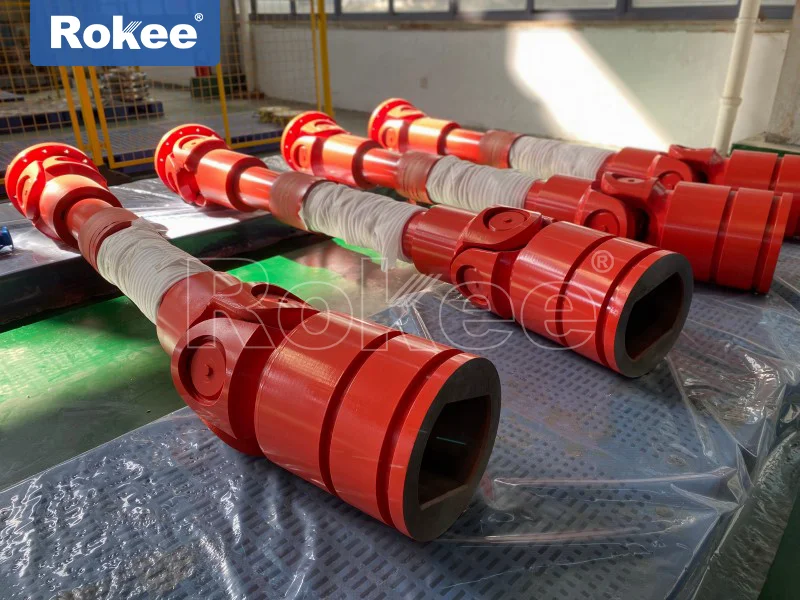
In the modern manufacturing industry, the sandwich panel production line plays a crucial role in providing high-quality, lightweight, and durable building materials for various construction projects, ranging from residential buildings to industrial warehouses. The efficiency of the production line directly affects the output, quality, and operational costs of enterprises, making the optimization of transmission systems a key focus for manufacturers seeking to enhance competitiveness. Among the numerous components that constitute the transmission system of a sandwich panel production line, the universal coupling stands out as a critical element that significantly influences transmission efficiency and energy consumption. Unlike rigid couplings that require precise alignment between connected shafts, universal couplings are engineered to accommodate angular, axial, and in some cases, radial misalignments, making them versatile solutions for scenarios where perfect shaft alignment is either impractical or impossible to maintain in the dynamic environment of a sandwich panel production line. By effectively addressing the challenges of misalignment, reducing energy loss during power transmission, and improving the overall stability of the production line, universal couplings have become an indispensable component for optimizing the performance of sandwich panel production systems.
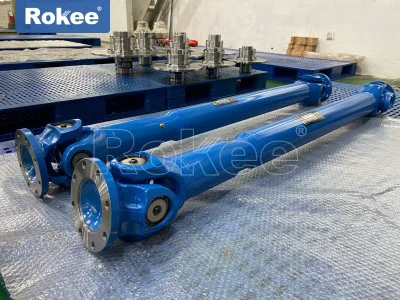
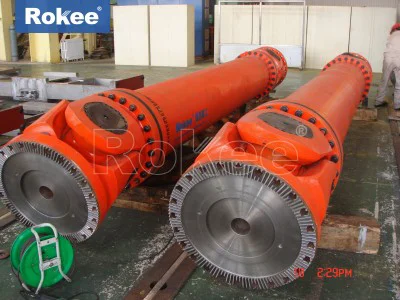
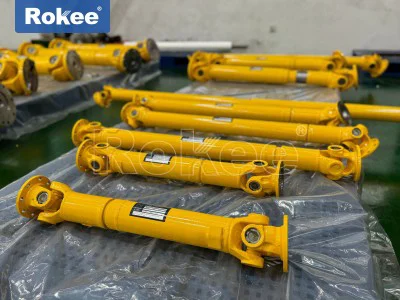
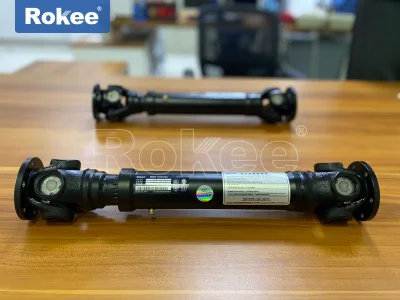
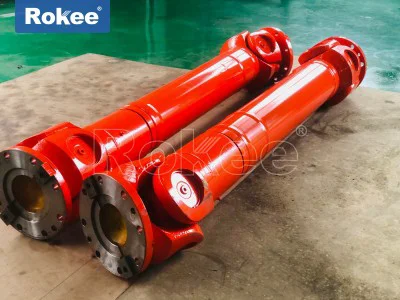
To understand the role of universal couplings in optimizing sandwich panel production lines, it is first necessary to grasp the basic structure and working principle of these couplings. A universal coupling, also known as a universal joint or U-joint, is a mechanical device that connects two rigid shafts whose axes are inclined to each other, enabling the transmission of rotary motion and torque between them. It typically consists of a pair of hinges located close together, oriented at 90 degrees to each other, and connected by a cross shaft. This simple yet ingenious structure allows the coupling to compensate for angular deviations between the input and output shafts, which is a common issue in complex production lines like those used for sandwich panel manufacturing. The main concept of the universal joint is based on the design of gimbals, which have been in use since antiquity, and its modern development has focused on enhancing efficiency, load capacity, and durability to meet the demands of industrial applications. Unlike constant-velocity joints, traditional universal couplings may exhibit non-uniform rotational speed, but this limitation can be mitigated through the use of double universal couplings or optimized structural designs, making them suitable for the continuous and stable operation required by sandwich panel production lines.
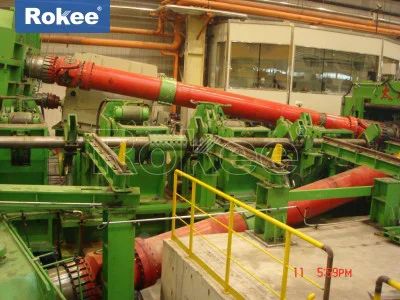
The sandwich panel production line involves a series of sequential processes, including uncoiling of raw materials, roll forming, preheating, foaming, laminating, cutting, and conveying. Each of these processes relies on a transmission system to transfer power from motors to various components such as rollers, conveyors, and cutting machines. In such a complex system, misalignment between shafts is inevitable due to factors such as equipment installation errors, thermal expansion during operation, mechanical vibration, and wear over time. Rigid couplings, which lack the ability to compensate for misalignment, often suffer from increased friction, vibration, and energy loss when faced with such issues. This not only reduces transmission efficiency but also accelerates the wear of components, leading to frequent maintenance, unplanned downtime, and increased operational costs. In contrast, universal couplings can effectively absorb and compensate for angular, axial, and radial misalignments, ensuring that power is transmitted smoothly and efficiently even when the shafts are not perfectly aligned. This capability is particularly important in sandwich panel production lines, where the coordination between different processes is essential for maintaining consistent product quality and production speed.
One of the key ways in which universal couplings optimize transmission efficiency in sandwich panel production lines is by reducing energy loss caused by friction and misalignment. In any mechanical transmission system, energy loss occurs due to factors such as friction between moving parts, vibration, and inefficient power transfer. In systems using rigid couplings, misalignment between shafts creates additional friction at the connection points, as the shafts are forced to operate at an angle, leading to increased wear and energy consumption. Universal couplings, however, are designed to allow for relative movement between the shafts, minimizing the friction generated by misalignment. The cross shaft and hinge structure of the universal coupling ensures that the torque is transmitted smoothly, even when there is an angular deviation between the input and output shafts, thereby reducing the energy loss associated with friction. Additionally, the use of high-quality materials and precision manufacturing processes in modern universal couplings further reduces friction, as the components fit together more tightly and operate with less resistance. For example, universal couplings made from high-strength alloy steels with precision-machined surfaces and bearings can minimize friction losses, allowing more of the motor’s power to be transferred to the working components of the production line rather than being wasted as heat or noise.
The transmission efficiency of universal couplings is typically very high, ranging from 95% to 99% depending on the type and design of the coupling. Cross-shaft universal couplings generally have an efficiency of 95% to 98%, while ball cage universal couplings, which are designed for higher precision and stability, can achieve efficiencies of 98% or higher. Membrane universal couplings, which use elastic diaphragms to transmit torque without rigid contact, can even reach efficiencies of up to 99%, as they eliminate the friction associated with mechanical contact between moving parts. This high transmission efficiency directly translates to energy savings in sandwich panel production lines, as less energy is wasted during power transmission. For example, if a production line uses a universal coupling with a transmission efficiency of 98% instead of a rigid coupling with an efficiency of 90%, the energy savings can be significant over long periods of operation. This is particularly important for sandwich panel production lines, which operate continuously for extended periods, making even small improvements in efficiency result in substantial energy and cost savings over time.
Another important factor contributing to the energy-saving effect of universal couplings in sandwich panel production lines is their ability to reduce vibration and noise. Vibration is a common problem in mechanical systems, especially in production lines with multiple moving components. Excessive vibration not only increases energy consumption but also causes wear and tear on equipment, leading to increased maintenance costs and unplanned downtime. Universal couplings help to dampen vibration by absorbing the shocks and misalignments that occur during operation. The flexible structure of the coupling allows it to absorb and dissipate vibrational energy, reducing the transfer of vibration to other components of the production line. This not only improves the stability of the system but also reduces energy loss, as less energy is wasted in generating and transmitting vibrations. Additionally, the reduction in vibration leads to a quieter working environment, which is beneficial for the health and safety of workers, as well as reducing the wear on equipment components such as bearings, gears, and rollers.
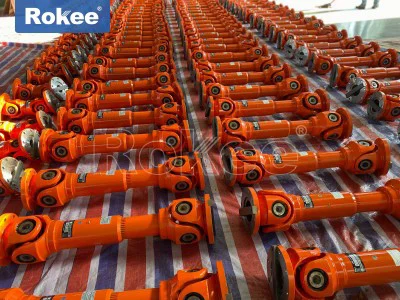
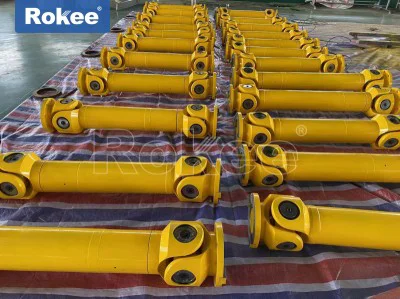
The adaptability of universal couplings to different working conditions also plays a significant role in optimizing the performance of sandwich panel production lines. Sandwich panel production lines often need to handle different types of raw materials, such as EPS, mineral wool, and PU foam, as well as produce panels of varying thicknesses and sizes. This requires the transmission system to be flexible and adaptable to changes in load and operating conditions. Universal couplings are available in a variety of types and sizes, allowing manufacturers to select the most suitable coupling for their specific application. For example, cross-shaft universal couplings are ideal for medium and low-speed applications with moderate angular misalignments, while ball cage universal couplings are better suited for high-speed, high-precision applications where constant velocity is required. Additionally, universal couplings can be designed to handle high torque loads, making them suitable for use in heavy-duty components of the production line, such as roll forming machines and laminators. This adaptability ensures that the transmission system can operate efficiently under different working conditions, maximizing the overall efficiency of the production line and reducing energy consumption.
In addition to their direct impact on transmission efficiency and energy consumption, universal couplings also contribute to the overall reliability and longevity of sandwich panel production lines. The ability to compensate for misalignment and reduce friction and vibration helps to minimize wear and tear on other components of the transmission system, such as motors, gears, and bearings. This reduces the frequency of maintenance and replacement of these components, leading to lower maintenance costs and less unplanned downtime. For example, in a sandwich panel production line, the roll forming machine and laminator are critical components that require stable and efficient power transmission. By using universal couplings to connect the motors to these components, the wear on the gears and bearings is reduced, extending their service life and ensuring that the production line operates continuously without interruptions. This not only improves the productivity of the production line but also reduces the energy consumption associated with maintenance and downtime, as less energy is used to repair or replace components and restart the production process.
The design and material selection of universal couplings also play a crucial role in their performance and energy-saving capabilities. Modern universal couplings are often designed using advanced techniques such as finite element analysis to optimize their structure, reducing weight while maintaining strength and durability. Lightweight designs reduce the inertial load on the motor, allowing the motor to operate more efficiently and consume less energy. For example, universal couplings made from lightweight alloy materials or composite materials can reduce the weight of the coupling by 25% to 30% compared to traditional steel couplings, resulting in lower energy consumption during startup and operation. Additionally, the use of high-quality lubricants and密封 systems helps to reduce friction and prevent energy loss, further enhancing the efficiency of the coupling. Proper lubrication forms a thin oil film between the moving parts of the coupling, reducing friction and wear, and ensuring smooth operation. In harsh working environments, such as those with high temperatures or dust, sealed universal couplings can prevent contaminants from entering the coupling, maintaining its performance and reducing the need for frequent maintenance.
To further illustrate the impact of universal couplings on optimizing sandwich panel production lines, consider a practical application scenario. A medium-sized manufacturing enterprise operating a sandwich panel production line was experiencing issues with low transmission efficiency, high energy consumption, and frequent equipment breakdowns due to misalignment between the motor and the roll forming machine. The enterprise replaced the existing rigid couplings with high-efficiency universal couplings, which were able to compensate for the angular misalignment between the shafts. After the replacement, the transmission efficiency of the production line increased by 8%, resulting in a 10% reduction in energy consumption. Additionally, the vibration of the system was significantly reduced, leading to a 30% decrease in maintenance costs and a 25% reduction in unplanned downtime. The production line was able to operate more stably, with a 15% increase in output and improved product quality, as the consistent power transmission ensured uniform roll forming and laminating. This example demonstrates the significant benefits that universal couplings can bring to sandwich panel production lines, both in terms of efficiency optimization and energy conservation.
It is important to note that the performance of universal couplings in sandwich panel production lines is also influenced by proper installation, operation, and maintenance. Incorrect installation, such as improper alignment of the coupling or insufficient tightening of fasteners, can reduce the efficiency of the coupling and increase energy consumption. Therefore, it is essential to follow the manufacturer’s guidelines for installation, ensuring that the coupling is properly aligned and secured. Regular maintenance, including lubrication, inspection of components for wear and damage, and replacement of worn parts, is also crucial for maintaining the efficiency and longevity of the coupling. For example, regular lubrication of the cross shaft and bearings can prevent friction and wear, ensuring that the coupling operates at peak efficiency. Additionally, periodic inspections can help to identify potential issues early, preventing costly breakdowns and ensuring that the production line operates continuously.
As the manufacturing industry continues to move towards energy conservation and environmental protection, the role of universal couplings in optimizing transmission systems will become increasingly important. Sandwich panel manufacturers are under growing pressure to reduce energy consumption and carbon emissions, while improving productivity and product quality. Universal couplings, with their high transmission efficiency, energy-saving capabilities, and adaptability, provide an effective solution to meet these challenges. By reducing energy loss, minimizing vibration, and improving the reliability of the transmission system, universal couplings help manufacturers to reduce operational costs, enhance competitiveness, and achieve their sustainability goals.
In conclusion, universal couplings play a vital role in optimizing the transmission efficiency of sandwich panel production lines and reducing energy consumption. Their ability to compensate for shaft misalignment, reduce friction and vibration, and adapt to different working conditions makes them an indispensable component in modern sandwich panel manufacturing. By selecting the right type of universal coupling, ensuring proper installation and maintenance, manufacturers can significantly improve the efficiency of their production lines, reduce energy consumption, and enhance the overall performance and reliability of their equipment. As technology continues to advance, the design and performance of universal couplings will continue to improve, providing even greater benefits for the sandwich panel manufacturing industry. The integration of universal couplings into sandwich panel production lines is not only a practical measure to reduce costs and improve efficiency but also a step towards a more sustainable and environmentally friendly manufacturing process.