Combined Application Case Of Cardan Driveshaft And Sandwich Panel Equipment

In the modern industrial production system, the coordinated operation of mechanical components is the core guarantee for improving production efficiency, ensuring product quality and reducing operational costs. Among numerous mechanical transmission components and production equipment, the cardan driveshaft and sandwich panel equipment have formed a close and efficient cooperative relationship in the field of building material production. The cardan driveshaft, with its unique structural design and excellent transmission performance, effectively solves the key problems of power transmission in the operation of sandwich panel equipment, while the continuous upgrading of sandwich panel equipment also puts forward more refined requirements for the performance of the cardan driveshaft, promoting the joint optimization and development of the two.
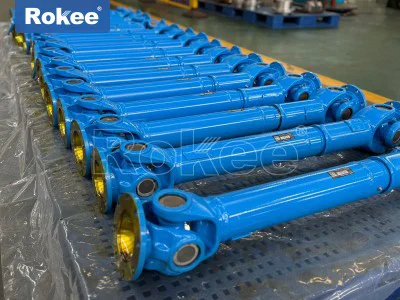
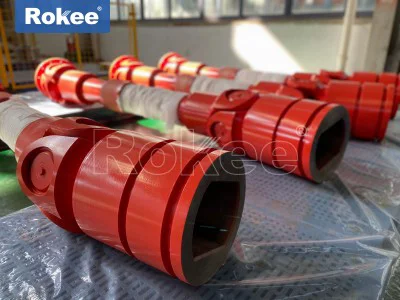
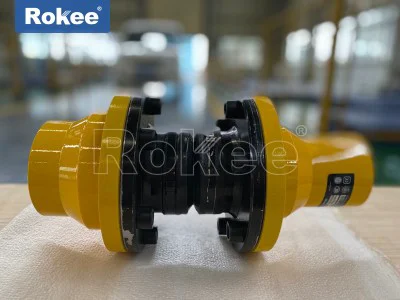
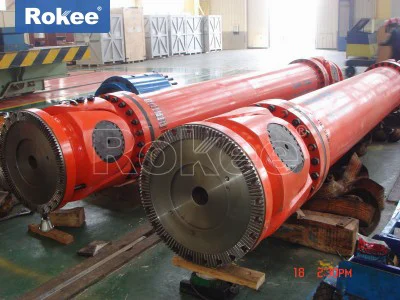
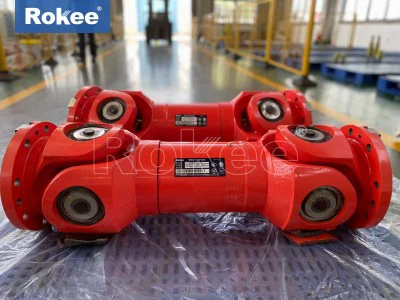
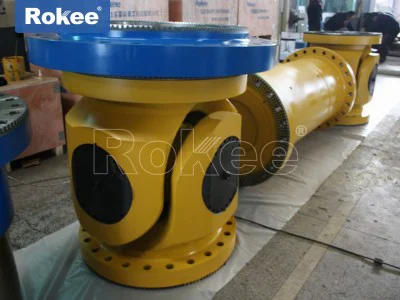
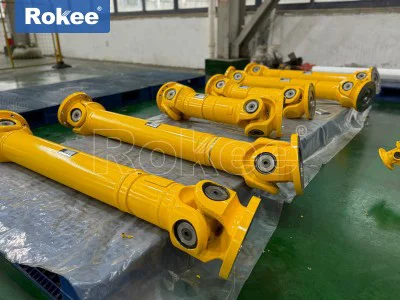
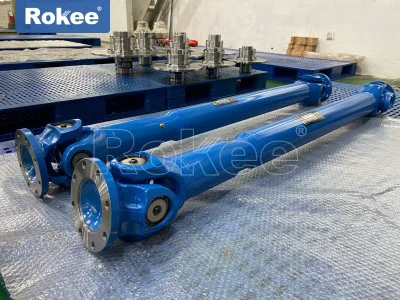
Before exploring the combined application, it is necessary to first clarify the basic working characteristics of the cardan driveshaft and sandwich panel equipment, as well as the inherent connection between the two. The cardan driveshaft, also known as the universal joint driveshaft, is a flexible mechanical transmission component designed to transmit rotational motion and torque between two shafts that are not on the same axis or have relative displacement during operation. Its core structure is composed of universal joints (cross shafts or cage structures) and shafts, which can compensate for axial, radial and angular deviations between the driving shaft and the driven shaft through the articulated structure of the universal joints, ensuring stable and efficient power transmission even under dynamic working conditions. Unlike rigid driveshafts that require precise coaxial alignment, the cardan driveshaft has strong adaptability, can withstand high torque loads, and is widely used in various industrial fields that require flexible power transmission. Its design cleverly combines mechanical geometry and dynamics principles, and different structural forms (such as cross-axis cardan driveshafts, ball cage cardan driveshafts, double cardan driveshafts) can meet the needs of different application scenarios, among which double cardan driveshafts are often used in long-distance transmission scenarios because they can eliminate the speed fluctuation problem of single cardan driveshafts.
Sandwich panel equipment is an automated production line system dedicated to the production of composite sandwich panels for construction, transportation, energy and other fields. It integrates multiple processes such as raw material pretreatment, forming, gluing, compounding, cutting and stacking, and can realize continuous and automated production from raw materials to finished products. The core components of sandwich panel equipment usually include unwinding systems, leveling machines, forming units, gluing devices, composite presses, cutting units and stacking systems. These components need to operate in a coordinated and synchronized manner to ensure the stability of product quality and production efficiency. In the operation process of sandwich panel equipment, the power transmission between each subsystem is particularly critical. Due to the limitations of the overall structure of the equipment and the production process, the installation positions of each subsystem (such as unwinding system and forming unit, forming unit and composite press) are often not on the same axis, which will lead to angular deviation and relative displacement between the driving shaft and the driven shaft of each component. At the same time, during long-term continuous operation, the equipment will generate vibration and thermal expansion, which will further change the relative position of the shafts. In addition, the production process of sandwich panels requires stable and uniform power transmission. Even slight fluctuations in transmission speed or torque will affect the bonding effect between the panel surface and the core material, as well as the dimensional accuracy of the finished product. These characteristics determine that the transmission components of sandwich panel equipment must have good flexibility, compensation capacity and stability, and the cardan driveshaft just meets these core requirements, thus becoming an indispensable core component in the power transmission system of sandwich panel equipment.
In the practical application of sandwich panel equipment, the cardan driveshaft is widely used in the power transmission of key subsystems, and its application effect directly affects the overall operation efficiency and product quality of the equipment. Taking a large-scale automatic sandwich panel production line as an example, the cardan driveshaft plays a key role in multiple links such as unwinding and leveling, roll forming, composite pressing and cutting. In the unwinding and leveling link, the unwinding system needs to stably release the coiled metal panel (such as pre-painted steel plate or stainless steel plate), and the leveling machine needs to eliminate the internal stress of the metal panel through multi-roll rolling to ensure the flatness of the panel. The power of the unwinding system and the leveling machine comes from the same drive source, but due to the layout requirements of the equipment, the drive shafts of the two are not on the same axis, and there is a certain angular deviation. At this time, the cardan driveshaft is used to connect the drive source and the two subsystems. It can compensate for the angular deviation between the shafts through its own universal joint structure, ensuring that the torque is stably transmitted to the unwinding roller and the leveling roller, so that the unwinding speed and the leveling speed are kept synchronized. The double cardan driveshaft is usually selected here, which can effectively eliminate the speed fluctuation caused by the angular deviation, avoid the problems of uneven unwinding, panel wrinkling or uneven leveling, and lay a good foundation for the subsequent forming process. The unwinding system of the production line usually adopts a double winding machine design, which can support simultaneous feeding of two different materials or colors of panels, and the cardan driveshaft can ensure the stable transmission of power during the automatic switching process of the winding machine without stopping the machine, further improving the continuity of production.
In the roll forming link, which is the core part of the sandwich panel production, the metal panel needs to be gradually deformed through 20-30 forming rollers to form a specific cross-sectional shape (such as corrugated board, tongue-and-groove board) that meets the requirements. The forming rollers are driven by a servo motor, and the power needs to be transmitted to each forming roller uniformly and stably to ensure that the deformation of the panel is uniform and the dimensional accuracy meets the standard. Due to the large number of forming rollers and the need to be arranged in sequence according to the deformation process, the drive shafts between adjacent forming rollers have a certain angular deviation and axial displacement. The cardan driveshaft is used to connect each forming roller, which can not only compensate for the angular deviation and axial displacement between the shafts, but also ensure that the torque transmitted to each forming roller is consistent, so that the panel can be gradually deformed in an orderly manner during the transmission process. In addition, the sandwich panel equipment usually has a quick mold change system, which can complete the replacement of the board type within a short time. When the mold is changed, the position of the forming roller will change, resulting in changes in the relative position of the drive shaft. The cardan driveshaft has good adaptability, can quickly adapt to the position change of the drive shaft, and does not need to adjust the overall transmission system, which greatly shortens the mold change time and improves the flexibility of the production line.
The composite pressing link is another key link in the production of sandwich panels, which mainly bonds the metal panel and the core material (such as rock wool, polyurethane, EPS) into an integrated composite board through adhesive. The composite press needs to apply uniform pressure and appropriate temperature to the composite board to ensure the bonding strength between the panel and the core material. The power of the composite press's pressure roller and conveyor belt comes from the drive system, and the drive shafts of the pressure roller and the conveyor belt are not on the same axis due to the structural design of the press. The cardan driveshaft is used to connect the drive system with the pressure roller and the conveyor belt, which can transmit the torque stably while compensating for the angular deviation between the shafts, ensuring that the pressure roller and the conveyor belt operate synchronously. The composite press usually adopts segmented pressure control, and the speed of the conveyor belt needs to be matched with the pressure application speed. The stable transmission performance of the cardan driveshaft can ensure that the speed matching error is controlled within a small range, avoiding the problems of uneven bonding, delamination or surface scratches of the composite board caused by speed asynchrony. In the polyurethane sandwich panel production line, the foaming system needs to inject foaming material between the two panels, and the power transmission of the foaming system's mixing head also relies on the cardan driveshaft. The stable torque transmission of the cardan driveshaft can ensure the uniform mixing of the foaming material, thus ensuring the density uniformity of the foam core and improving the overall quality of the sandwich panel.
In the cutting link, the formed sandwich panel needs to be cut into a specified length according to the production requirements. The cutting unit usually adopts a CNC cutting system (such as flying saw or waterjet cutting), which requires high precision and stability of the cutting speed. The drive shaft of the cutting tool and the drive shaft of the conveyor belt have a certain angular deviation, and the cardan driveshaft is used to connect the two, which can ensure that the cutting speed is synchronized with the conveyor speed, so as to improve the cutting accuracy. The cutting accuracy of the sandwich panel is usually required to be within ±1mm, and the angle error is less than 0.5°. The stable transmission of the cardan driveshaft is an important guarantee for achieving this precision. In addition, the stacking system of the sandwich panel equipment usually adopts a robotic arm or vacuum suction cup type stacker, and the power transmission of the stacker's movement mechanism also uses the cardan driveshaft, which can adapt to the angular change during the movement of the stacker, ensuring that the stacker can stably and accurately stack the finished sandwich panels to the specified position, improving the efficiency of the post-processing link.
The combined application of the cardan driveshaft and sandwich panel equipment brings obvious advantages to the production process, which is mainly reflected in improving production efficiency, ensuring product quality, enhancing equipment stability and reducing maintenance costs. In terms of improving production efficiency, the cardan driveshaft can realize stable power transmission between each subsystem of the sandwich panel equipment, avoid production interruptions caused by transmission failures, and ensure the continuous operation of the production line. The production speed of the sandwich panel equipment can reach 5-15 meters per minute, and the maximum daily output can exceed 5000 square meters. The efficient transmission performance of the cardan driveshaft provides a strong guarantee for this high-speed and continuous production. At the same time, the cardan driveshaft has good adaptability, which can adapt to the adjustment of different production specifications and mold changes of the sandwich panel equipment, reducing the time cost of equipment adjustment and improving the flexibility of the production line.
In terms of ensuring product quality, the stable torque and speed transmission of the cardan driveshaft can avoid the problems of uneven panel forming, poor bonding, dimensional deviation and surface defects caused by unstable power transmission. For example, in the roll forming link, the uniform torque transmission of the cardan driveshaft ensures that the cross-sectional size of the panel is consistent; in the composite pressing link, the synchronous operation of the pressure roller and the conveyor belt ensures the uniform bonding of the panel and the core material; in the cutting link, the synchronous speed of the cutting tool and the conveyor belt ensures the cutting accuracy. These all effectively improve the qualified rate of finished sandwich panels, reduce the waste of raw materials, and further reduce the production cost. The sandwich panels produced by the equipment have excellent structural strength, thermal insulation and corrosion resistance, which can meet the needs of different application fields such as construction, food processing plants and hospital operating rooms.
In terms of enhancing equipment stability, the cardan driveshaft has a robust structural design, usually made of heat-treated high-strength steel, which can withstand high torque and long-term continuous operation, and has good wear resistance and fatigue resistance. It can effectively reduce the vibration and noise generated during the operation of the sandwich panel equipment, reduce the wear of each component of the equipment, and extend the service life of the equipment. At the same time, the cardan driveshaft can compensate for the vibration and thermal expansion displacement generated during the operation of the equipment, avoid the damage of the transmission system caused by the relative displacement of the shafts, and improve the overall stability and reliability of the equipment. In the long-term operation of the production line, the cardan driveshaft can maintain stable transmission performance, reducing the frequency of equipment failures.
In terms of reducing maintenance costs, the cardan driveshaft has a simple structure and is easy to disassemble and maintain. Compared with other flexible transmission components, its maintenance process is relatively simple, and the maintenance time is short, which can reduce the downtime of the sandwich panel equipment. At the same time, the service life of the cardan driveshaft is long, usually up to 20,000 to 50,000 hours under standardized maintenance, which can reduce the frequency of component replacement and the cost of spare parts. In addition, the stable operation of the cardan driveshaft can also reduce the wear of other components of the sandwich panel equipment, reducing the overall maintenance cost of the equipment.
Although the combined application of the cardan driveshaft and sandwich panel equipment has many advantages, in the actual operation process, due to factors such as improper installation, insufficient maintenance, and harsh working environment, some problems will also occur, which affect the normal operation of the equipment. Common problems mainly include abnormal vibration and noise, wear or jamming of the universal joint, wear of the spline pair, and loosening or fracture of the connecting bolts. These problems need to be solved in a timely manner to ensure the stable operation of the production line.
Abnormal vibration and noise are the most common problems in the application process. The main reasons include wear or damage of the cross shaft bearing, excessive clearance caused by wear of the spline pair, loss of dynamic balance (such as falling off of the counterweight block or deformation of the shaft tube), excessive installation angle or misalignment of the axis. When such problems occur, the equipment will generate obvious vibration during operation, accompanied by metal friction sound or periodic abnormal noise, which will not only affect the transmission effect, but also accelerate the wear of other components. The solution is to regularly check the cross shaft bearing and spline pair, replace the worn or damaged parts in time, re-calibrate the dynamic balance of the cardan driveshaft, adjust the installation angle (usually not more than 3°) and ensure the coaxiality of the axis. The use of laser alignment instrument for axis calibration can effectively improve the installation accuracy and reduce the occurrence of vibration and noise.
The wear or jamming of the universal joint is mainly caused by poor lubrication, leading to dry friction between components, or the entry of sediment and moisture due to seal failure, resulting in damage to the bearing needle roller. When this problem occurs, the cardan driveshaft will have obvious jamming during rotation, and the temperature of the universal joint will rise, and even metal powder will appear (the lubricating grease turns black). The solution is to regularly disassemble and clean the universal joint, replace the worn cross shaft assembly, add high-temperature resistant and extreme pressure resistant lubricating grease (such as NLGI 2 grade lithium-based grease), and replace the damaged oil seal or sealing sleeve to ensure the sealing performance of the universal joint and prevent the entry of pollutants.
The wear or movement of the spline pair is mainly caused by excessive clearance due to wear of the spline teeth, insufficient lubrication to accelerate wear, or impact caused by overload and frequent start-stop. When this problem occurs, there will be obvious axial movement feeling during torque transmission, and impact sound will appear. The solution is to replace the worn spline sleeve or spline shaft, regularly add lubricating grease through the oil injection nozzle, and check whether the load of the equipment exceeds the limit to avoid overload operation.
The loosening or fracture of the connecting bolts is mainly caused by failure to fasten according to the torque requirements, failure of anti-loosening measures (such as aging of the spring washer), or fatigue fracture caused by resonance. When this problem occurs, the flange connection will be loose, accompanied by abnormal noise, and even the bolts will be sheared, which will seriously affect the power transmission and even cause equipment failure. The solution is to replace the high-strength bolts and fasten them according to the standard torque in a diagonal order (for example, M12 bolts need 90-110Nm torque), add thread locking glue or double nuts for anti-loosening, and regularly check the tightness of the bolts to avoid loosening.
To avoid the occurrence of the above problems, it is necessary to formulate a standardized maintenance and management system for the cardan driveshaft in the combined application process. First, regular lubrication management should be carried out. Lubricating grease should be added every 200-500 hours of operation, and the old grease should be completely squeezed out with a high-pressure oil gun to ensure sufficient lubrication of the universal joint and spline pair. Second, regular cleaning and sealing inspection should be carried out to clean the oil sludge on the surface of the cardan driveshaft and check whether the sealing ring is intact to prevent the entry of sediment and moisture. Third, regular operation monitoring should be carried out. A vibration analyzer should be used to detect abnormal frequencies regularly to find out the imbalance or wear problems in advance; an infrared thermometer should be used to check the temperature of the cross shaft (normal temperature is less than 70℃), and abnormal temperature rise indicates lubrication failure. Fourth, standardized installation should be carried out to ensure that the flanges at both ends are parallel, the axis offset is not more than 0.1mm/m, and the angular deviation is not more than 3°. Fifth, standardized operation should be carried out to avoid sudden acceleration, sudden braking and other barbaric operations, reduce impact load, and regularly check the spline expansion amount, bolt tightness and surface cracks.
With the continuous development of the building material industry, the demand for sandwich panels is increasing, and higher requirements are put forward for the automation level, production efficiency and product quality of sandwich panel equipment. This also promotes the continuous optimization and upgrading of the cardan driveshaft. In the future, the cardan driveshaft used in sandwich panel equipment will develop in the direction of higher torque bearing capacity, better compensation performance, longer service life and more intelligent. For example, the use of new high-strength and wear-resistant materials can further improve the service life of the cardan driveshaft; the integration of intelligent monitoring sensors can realize real-time monitoring of the operating status of the cardan driveshaft, timely alarm for abnormal conditions, and reduce the occurrence of failures; the optimized structural design can further improve the transmission efficiency and reduce energy consumption, which is in line with the development trend of energy conservation and environmental protection.
At the same time, the integration degree between the cardan driveshaft and sandwich panel equipment will be further improved. Through the optimized matching design of the two, the overall performance of the production line will be improved, and the personalized production needs of different users will be better met. For example, for the production line of sandwich panels with different thicknesses (50-300mm) and widths (600-1200mm), the cardan driveshaft with corresponding specifications and performance can be customized to ensure the stability and efficiency of power transmission. In addition, with the popularization of intelligent production, the cardan driveshaft will be integrated with the intelligent control system of the sandwich panel equipment, realizing the linkage control of power transmission and production process, further improving the automation level and production efficiency of the production line.
In conclusion, the combined application of the cardan driveshaft and sandwich panel equipment is a mutually promoting and complementary cooperative relationship. The cardan driveshaft solves the key problems of power transmission in the operation of sandwich panel equipment with its excellent flexibility, compensation capacity and stability, providing a strong guarantee for the efficient and stable operation of the production line; the continuous upgrading of sandwich panel equipment promotes the optimization and improvement of the performance of the cardan driveshaft, expanding the application field and scope of the cardan driveshaft. In the practical application process, through standardized installation, regular maintenance and scientific operation, the potential problems in the combined application can be effectively avoided, the advantages of the two can be brought into full play, the production efficiency can be improved, the product quality can be ensured, and the production cost can be reduced. With the continuous development of industrial technology, the combined application of the cardan driveshaft and sandwich panel equipment will have broader development prospects, making greater contributions to the development of the building material industry and the upgrading of industrial production.