Universal Drive Shaft Helps Rockwool Sandwich Panel Production Equipment Save Energy And Reduce Consumption
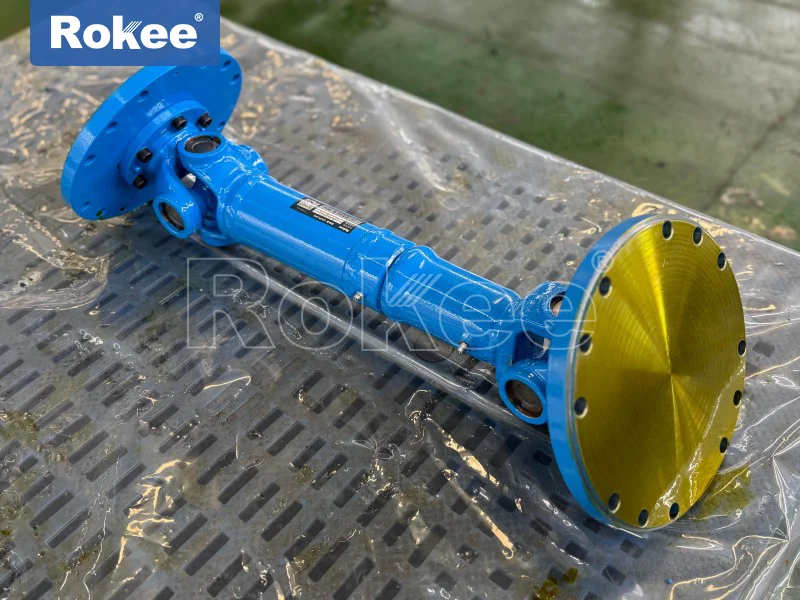
In the modern manufacturing landscape, energy conservation and consumption reduction have become core priorities for industries worldwide, driven by the growing emphasis on environmental protection and the need to optimize operational costs. The production of rockwool sandwich panels, a versatile building material known for its excellent thermal insulation, fire resistance, and soundproofing properties, involves complex mechanical processes that demand significant energy input. From raw material processing to the final lamination and cutting stages, every component of the production equipment plays a crucial role in determining the overall energy efficiency of the system. Among these components, the universal drive shaft stands out as a key element that quietly contributes to energy conservation and consumption reduction, thanks to its unique structural design and efficient power transmission capabilities. Unlike rigid transmission components that often lead to energy waste due to misalignment and friction, the universal drive shaft is engineered to adapt to the dynamic operational needs of rockwool sandwich panel production equipment, minimizing energy loss and enhancing overall operational efficiency.
To understand how the universal drive shaft achieves energy savings in rockwool sandwich panel production, it is first necessary to grasp the basic working principles of both the drive shaft and the production equipment itself. Rockwool sandwich panel production involves a series of interconnected processes, including the melting of raw materials (such as basalt and recycled steel slag) at high temperatures, the formation of rockwool fibers, the shaping of the core material, and the lamination of the core with outer facing materials (typically metal sheets). Each of these processes relies on mechanical systems that require precise power transmission to ensure smooth and consistent operation. The production equipment consists of multiple components, including decoilers, forming machines, conveying systems, glue spraying systems, heating systems, and cutting machines, all of which need to be synchronized to maintain production efficiency. The universal drive shaft serves as the critical link that transfers power from the main motor to these various components, ensuring that each part operates in harmony with the others.
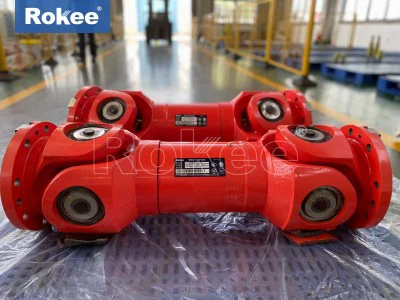
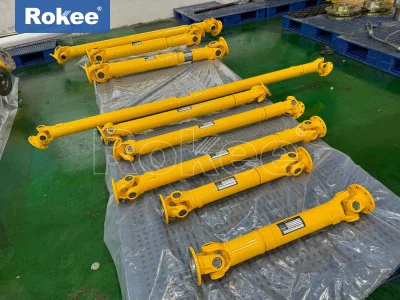
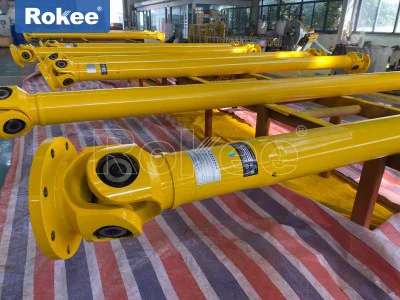
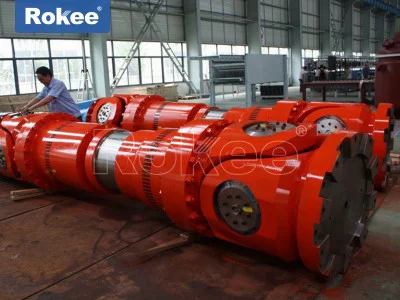
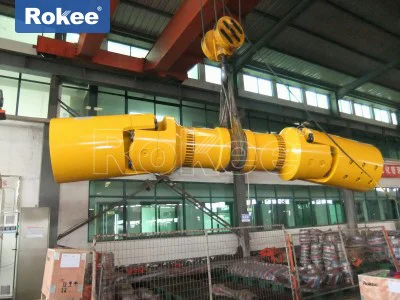
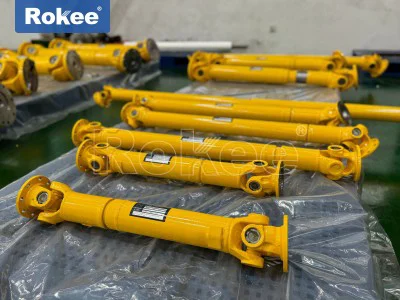
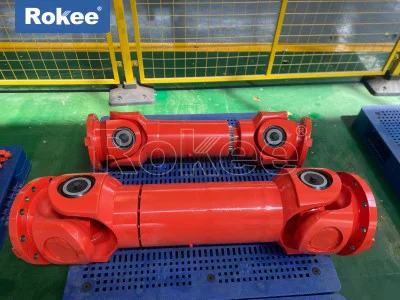
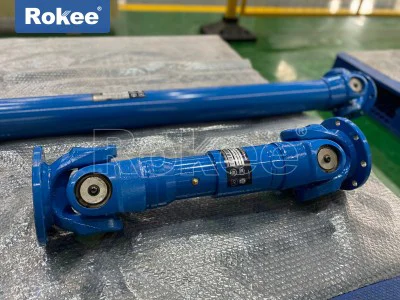
The universal drive shaft, also known as a universal joint drive shaft, is a mechanical component designed to transmit rotational power and torque between two shafts that are not aligned coaxially. Its core function is to compensate for axial, radial, and angular displacements between connected shafts while maintaining high transmission efficiency—a feature that is particularly valuable in rockwool sandwich panel production equipment, where misalignment between components is common due to the complex layout of the production line and the dynamic nature of the manufacturing process. Traditional rigid drive shafts require perfect alignment between connected components to function efficiently; any misalignment can lead to increased friction, vibration, and energy loss. In contrast, the universal drive shaft’s sophisticated design, which typically includes cross shafts, bearings, and fork-shaped heads, allows it to accommodate angular misalignments of up to 45 degrees in some cases, as well as axial and radial displacements, without sacrificing transmission efficiency.
One of the primary ways in which the universal drive shaft contributes to energy conservation is through its high transmission efficiency. Unlike other transmission components that lose significant amounts of energy due to friction and misalignment, the universal drive shaft is engineered to minimize energy loss during power transfer. The key to this efficiency lies in its structural components: the cross shaft, which acts as the core transmission element, is connected to the fork heads via needle roller bearings that reduce friction and allow for smooth rotation. These bearings are designed to withstand high torques and rotational speeds while maintaining minimal friction, ensuring that most of the power generated by the motor is transferred to the production equipment rather than being wasted as heat or vibration. Additionally, the use of expansion splines in some universal drive shaft designs allows for the compensation of axial displacement, further reducing stress on the system and minimizing energy loss.
In rockwool sandwich panel production equipment, the universal drive shaft’s ability to accommodate misalignment is particularly beneficial for energy conservation. The production line is often composed of multiple components arranged in a non-linear layout, and due to factors such as thermal expansion, mechanical wear, and installation tolerances, perfect alignment between shafts is difficult to maintain over time. Rigid drive shafts would struggle to adapt to these changes, leading to increased friction, vibration, and energy consumption. The universal drive shaft, however, can adjust to these misalignments in real time, ensuring that power is transmitted smoothly and efficiently even when the connected shafts are not collinear. This adaptability reduces the strain on the motor, as it does not have to work harder to overcome the resistance caused by misalignment, thereby reducing energy consumption.
Another important factor contributing to the energy-saving capabilities of the universal drive shaft is its durability and low maintenance requirements. Rockwool sandwich panel production equipment operates continuously for long periods, often in harsh environments characterized by high temperatures, dust, and vibration. Components that require frequent maintenance or replacement can disrupt production and increase energy consumption, as the equipment may need to be shut down for repairs, and worn components often operate less efficiently. The universal drive shaft is constructed from high-strength materials such as alloy steel, which are resistant to wear, corrosion, and fatigue. Its simple yet robust design minimizes the number of moving parts that can fail, reducing the need for frequent maintenance. Additionally, the bearings in the universal drive shaft are designed to be lubricated easily, and with proper maintenance, they can operate for extended periods without degradation, ensuring consistent transmission efficiency and reducing energy loss due to worn or faulty components.
The synchronization of production line components is another area where the universal drive shaft plays a crucial role in energy conservation. Rockwool sandwich panel production requires precise coordination between different stages of the process—for example, the speed at which the rockwool core is fed into the lamination machine must match the speed at which the outer facing materials are supplied, and the cutting machine must operate in sync with the conveying system to ensure accurate cutting without waste. The universal drive shaft ensures that power is transmitted uniformly to all components, maintaining consistent speeds and preventing bottlenecks in the production process. When components are not synchronized, the motor may need to work harder to compensate for inconsistencies, leading to increased energy consumption. By ensuring smooth and synchronized operation, the universal drive shaft helps to optimize the overall efficiency of the production line, reducing energy waste and improving productivity.
Furthermore, the universal drive shaft’s lightweight and high-strength design contributes to energy savings by reducing the overall energy required to drive the production equipment. Many modern universal drive shafts are constructed using hollow tubular structures, which provide a high strength-to-weight ratio. This design reduces the mass of the drive shaft, meaning that less energy is required to accelerate and maintain its rotation. In contrast, solid drive shafts are heavier and require more energy to operate, leading to increased energy consumption over time. The lightweight design of the universal drive shaft also reduces the load on the motor and other transmission components, extending their lifespan and further contributing to long-term energy conservation.
The impact of the universal drive shaft on energy conservation can be further understood by considering the specific challenges of rockwool sandwich panel production. The melting of raw materials for rockwool production requires high temperatures, often reaching 1500°C, which consumes a significant amount of energy. The mechanical systems that handle the molten materials, shape the rockwool fibers, and transport the materials through the production line must operate efficiently to minimize additional energy loss. The universal drive shaft ensures that the power required to operate these systems is transmitted efficiently, reducing the amount of energy needed to maintain the production process. For example, the conveying systems that transport the rockwool core and outer facing materials rely on the universal drive shaft to transfer power from the motor to the conveyor belts. By minimizing energy loss during this power transfer, the universal drive shaft helps to reduce the overall energy consumption of the conveying system, which is a major contributor to the total energy usage of the production line.
In addition to reducing energy consumption, the universal drive shaft also helps to reduce material waste in rockwool sandwich panel production, which indirectly contributes to consumption reduction. The precise power transmission provided by the universal drive shaft ensures that the production equipment operates with high accuracy, reducing the number of defective panels produced. For example, the cutting machine, which relies on the universal drive shaft for power, can make precise cuts that match the required dimensions, minimizing the amount of material wasted due to incorrect cutting. This reduction in material waste not only lowers production costs but also reduces the energy required to produce additional raw materials to replace the wasted ones, further enhancing the overall sustainability of the production process.
The adaptability of the universal drive shaft to different operational conditions also makes it a valuable asset for energy conservation in rockwool sandwich panel production. As production demands change—for example, when switching between different panel thicknesses or materials—the universal drive shaft can adjust to the new operational requirements without the need for major modifications to the production equipment. This flexibility reduces the energy required to reconfigure the production line, as the drive shaft can accommodate changes in speed, torque, and alignment without sacrificing efficiency. In contrast, rigid drive shafts may need to be replaced or adjusted, which can be time-consuming and energy-intensive.
Another aspect to consider is the role of the universal drive shaft in reducing vibration in the production equipment. Vibration is a common issue in mechanical systems, and it not only reduces the lifespan of components but also consumes additional energy. The universal drive shaft’s design, which includes rubber elastic elements in some cases to absorb impact, helps to dampen vibration, reducing the energy lost due to vibrational forces. By minimizing vibration, the universal drive shaft also reduces the strain on the motor and other components, allowing them to operate more efficiently and consume less energy. This vibration-damping effect is particularly important in rockwool sandwich panel production equipment, where high-speed operation and heavy loads can lead to significant vibration if not properly managed.
To fully realize the energy-saving potential of the universal drive shaft, proper installation and maintenance are essential. During installation, ensuring that the drive shaft is aligned correctly (to the extent possible) and that all components are properly secured can help to maximize transmission efficiency. Regular maintenance, such as lubricating the bearings and checking for wear and tear, ensures that the drive shaft operates at peak efficiency over time. For example, insufficient lubrication of the bearings can lead to increased friction and energy loss, while worn components can cause misalignment and reduce transmission efficiency. By following proper maintenance practices, manufacturers can ensure that the universal drive shaft continues to contribute to energy conservation and consumption reduction throughout its lifespan.
The widespread adoption of universal drive shafts in rockwool sandwich panel production equipment is a testament to their effectiveness in improving energy efficiency. As the industry continues to prioritize sustainability and cost optimization, the role of the universal drive shaft is becoming increasingly important. By minimizing energy loss through efficient power transmission, accommodating misalignment, reducing vibration, and ensuring synchronization of production components, the universal drive shaft helps manufacturers to reduce their energy consumption, lower operational costs, and minimize their environmental impact. In an era where environmental regulations are becoming more stringent and energy costs are on the rise, the universal drive shaft provides a practical and effective solution for achieving energy conservation and consumption reduction in rockwool sandwich panel production.
In conclusion, the universal drive shaft is a critical component that plays a vital role in helping rockwool sandwich panel production equipment save energy and reduce consumption. Its unique structural design, high transmission efficiency, adaptability to misalignment, durability, and ability to synchronize production components all contribute to minimizing energy loss and optimizing operational efficiency. By reducing friction, vibration, and material waste, the universal drive shaft not only lowers energy consumption but also improves the overall sustainability and profitability of rockwool sandwich panel production. As the manufacturing industry continues to evolve towards more energy-efficient and sustainable practices, the universal drive shaft will remain an essential tool for achieving these goals, proving that even small components can have a significant impact on the overall efficiency and sustainability of industrial processes. The integration of universal drive shafts into rockwool sandwich panel production equipment is a practical step towards a more energy-efficient future, benefiting both manufacturers and the environment.