Daily Maintenance Skills Of Cardan Driveshaft For Rockwool Sandwich Panel Equipment
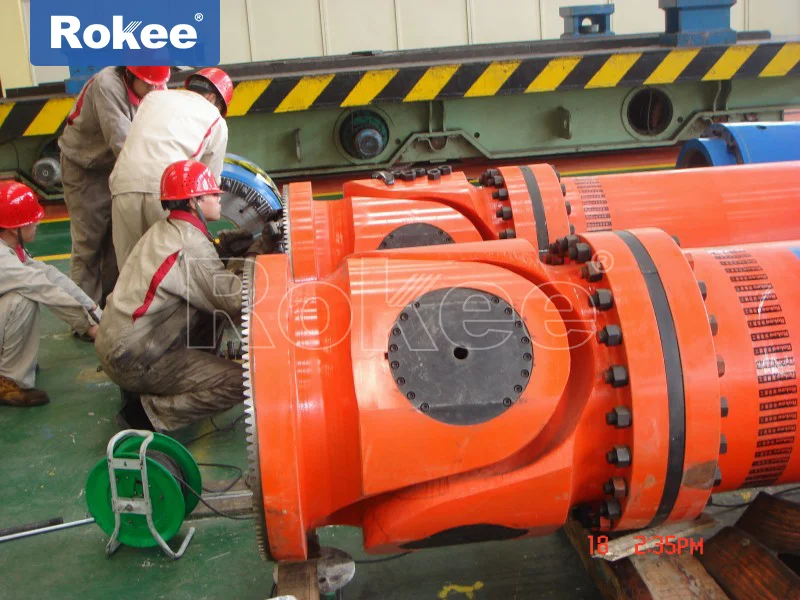
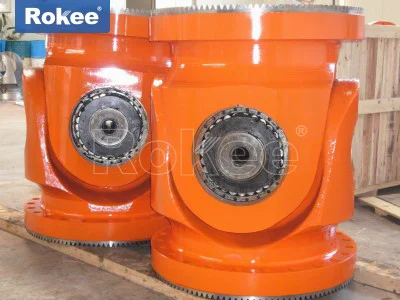
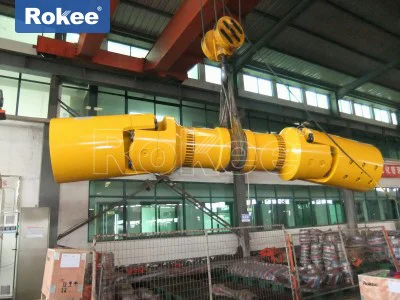
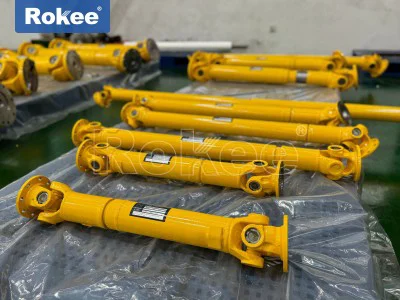
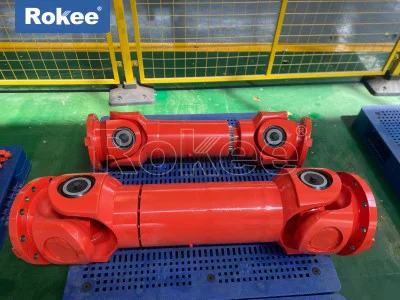
The cardan driveshaft is a critical transmission component in rockwool sandwich panel equipment, responsible for transferring power between different parts of the machine with high efficiency and stability. In the production process of rockwool sandwich panels, the equipment operates continuously under harsh conditions, including high-speed rotation, frequent start-stop cycles, and exposure to dust, fiber debris, and varying temperature environments. These factors can easily lead to wear, fatigue, and even failure of the cardan driveshaft, which not only affects the normal operation of the entire production line but also increases maintenance costs and reduces production efficiency. Therefore, mastering scientific and standardized daily maintenance skills is essential to extend the service life of the cardan driveshaft, ensure the stable operation of rockwool sandwich panel equipment, and maintain the consistency and quality of the finished products. Daily maintenance of the cardan driveshaft is not a simple routine check but a systematic work that covers inspection, cleaning, lubrication, adjustment, and fault prevention. Each link is closely connected and indispensable, requiring operators to have a comprehensive understanding of the structure and working principle of the cardan driveshaft, as well as strict compliance with maintenance procedures to avoid potential safety hazards and equipment failures.
Before starting the daily maintenance work, operators must first conduct a comprehensive safety check to ensure that the rockwool sandwich panel equipment is completely shut down, the power supply is cut off, and the equipment is in a static state. This step is crucial to prevent accidental startup during maintenance, which may cause personal injury or equipment damage. After confirming the safety of the working environment, operators can begin the daily inspection of the cardan driveshaft. The inspection should be carried out in a systematic manner, starting from the external structure and gradually moving to internal components, to ensure that no potential faults are missed. First, check the surface of the driveshaft tube for signs of damage, such as cracks, dents, corrosion, or scratches. These defects may be caused by long-term high-speed rotation, impact from external objects, or corrosion from the working environment. Even small cracks can expand under the action of cyclic loads, leading to serious failures such as driveshaft breakage. Therefore, any visible damage on the surface of the driveshaft tube must be recorded in detail, and corresponding maintenance measures should be taken in a timely manner. If the damage is slight, it can be repaired by polishing and anti-corrosion treatment; if the damage is severe, the driveshaft tube must be replaced immediately to avoid safety accidents.
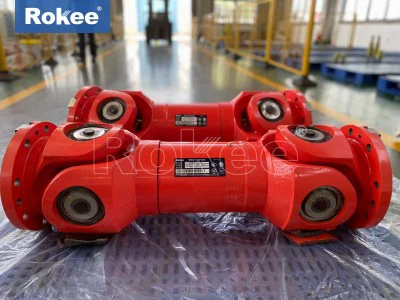
Next, focus on inspecting the universal joints, which are the core components of the cardan driveshaft and play a key role in compensating for angular deviations between the driving and driven shafts. The universal joints consist of a cross-shaped spider, bearing cups, and needle bearings, which are prone to wear and lubrication failure due to frequent rotational movement and load transmission. During the inspection, operators should first check the tightness of the bearing cups to ensure that they are firmly installed and free from looseness. If there is any looseness, it may cause abnormal noise and vibration during operation, and accelerate the wear of the needle bearings. Then, check the rotation flexibility of the universal joints by manually rotating the driveshaft; it should rotate smoothly without jamming, stagnation, or obvious resistance. If there is any jamming or resistance, it may indicate that the needle bearings are worn, lack lubrication, or have foreign objects stuck inside. In addition, operators should check the seals of the universal joints to ensure that they are intact and free from damage or aging. The seals are responsible for preventing dust, fiber debris, and moisture from entering the internal components of the universal joints, which can cause corrosion and wear of the bearings and spider. If the seals are damaged or aged, they should be replaced immediately to maintain the sealing performance of the universal joints.
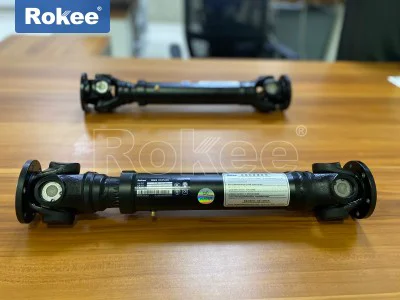
The sliding spline is another important component of the cardan driveshaft, which is used to compensate for axial displacement between the driving and driven shafts. During the daily inspection, operators should check the fit between the spline shaft and the spline sleeve to ensure that there is no excessive clearance or jamming. Excessive clearance may cause impact and noise during power transmission, and reduce the stability of the driveshaft; jamming may prevent the normal axial movement of the spline, leading to excessive stress on the driveshaft and potential failure. Operators can check the clearance by manually moving the spline shaft back and forth; the movement should be smooth and free from obvious play. At the same time, check the surface of the spline teeth for wear, pitting, or deformation. Wear of the spline teeth can reduce the contact area between the spline shaft and the spline sleeve, leading to uneven force transmission and further wear. If the wear is severe, the spline shaft or spline sleeve should be replaced to ensure the normal operation of the sliding spline. In addition, check the dust cover of the sliding spline to ensure that it is intact and tightly installed, so as to prevent dust and debris from entering the spline pair and causing wear.
Fasteners, such as bolts, nuts, and pins, are important components that fix the cardan driveshaft to the equipment. Loosening of fasteners can cause the driveshaft to be misaligned, vibrate abnormally, or even fall off during operation, leading to serious equipment failures. Therefore, checking the tightness of fasteners is an important part of daily maintenance. Operators should use appropriate tools, such as torque wrenches, to check the tightness of each fastener one by one, ensuring that they are tightened according to the specified torque. Special attention should be paid to the fasteners at the connection between the driveshaft and the universal joints, as well as between the driveshaft and the equipment's transmission system, as these parts bear large loads during operation and are prone to loosening. If any loose fasteners are found, they should be tightened immediately; if the fasteners are worn, deformed, or damaged, they should be replaced with new ones of the same specification. In addition, check the anti-loosening measures of the fasteners, such as spring washers and locknuts, to ensure that they are intact and effective. If the anti-loosening measures fail, they should be replaced in a timely manner to prevent the fasteners from loosening again.
Cleaning is an essential part of the daily maintenance of the cardan driveshaft. During the operation of rockwool sandwich panel equipment, a large amount of rockwool fiber debris, dust, and other pollutants will be generated, which will adhere to the surface of the driveshaft, universal joints, sliding spline, and other components. These pollutants can not only affect the heat dissipation of the driveshaft but also enter the internal components, causing wear, corrosion, and lubrication failure. Therefore, operators must clean the cardan driveshaft thoroughly every day after the equipment is shut down. The cleaning work should be carried out in a gentle manner to avoid damaging the surface of the driveshaft and its components. For the surface of the driveshaft tube, operators can use a soft brush or compressed air to remove dust and debris; for the universal joints and sliding spline, a clean cloth dipped in an appropriate amount of cleaning agent can be used to wipe the surface, removing oil stains and debris. It should be noted that the cleaning agent used should be compatible with the material of the driveshaft and its components, and should not be corrosive. After cleaning, the surface of the driveshaft should be dried with a clean cloth to prevent moisture from remaining and causing corrosion. In addition, the surrounding area of the driveshaft should also be cleaned to ensure that there is no accumulated debris, which may affect the normal operation of the driveshaft.
Lubrication is the key to extending the service life of the cardan driveshaft, as it can reduce friction between moving components, reduce wear, and prevent corrosion. The cardan driveshaft has multiple lubrication points, including the universal joints, sliding spline, and hanger bearings (if equipped), each of which requires regular lubrication with appropriate lubricants. Before lubrication, operators should first confirm the type of lubricant required for each lubrication point. Generally, heavy-duty cardan driveshafts for rockwool sandwich panel equipment use lithium-based extreme pressure (EP) grease that meets the specifications of the National Lubricating Grease Institute (NLGI) Grade 1 or 2. Grease of Grade 3 or 4 is not recommended because it is too thick and has poor performance at low temperatures. Most permanently lubricated bearings use synthetic grease, which has better high-temperature resistance and wear resistance. When purchasing replacement universal joint kits, it should be noted that the grease contained in the kit is only sufficient to protect the needle bearings during transportation and storage, so the replacement universal joints must be properly lubricated with the recommended chassis grease according to the maintenance procedures.
The lubrication of the universal joints should be carried out according to the specified cycle, which varies according to the operating conditions of the equipment. For rockwool sandwich panel equipment operating in harsh conditions, such as high dust, frequent start-stop, and heavy load, the lubrication cycle should be shortened; for equipment operating in relatively stable conditions, the lubrication cycle can be appropriately extended. Before lubricating the universal joints, operators should thoroughly clean the grease fittings to remove accumulated grease and abrasives, as any contaminants on the grease fittings may be pressed into the bearings during lubrication. Then, install the grease gun on the grease fitting and slowly pump grease into the universal joint until grease oozes out from each of the four journal seals. A small amount of old grease should be allowed to squeeze out from the bearings, which can remove contaminants in the bearings and ensure that all four bearings are fully lubricated. If grease does not ooze out from the journal seals, operators can try to swing the driveshaft left and right while applying pressure with the grease gun to increase the gap at the thrust end of the unlubricated bearing assembly. If the universal joint has two grease fittings, try lubricating from the other grease fitting. If this still does not work, loosen the bearing cap bolts on the unlubricated journal and pop the bearing cap out about 1/8 inch (3 mm), then apply grease. After handling the unlubricated universal joint, ensure that the bearing cap bolts are tightened to the specified torque. It should be noted that if grease oozes out from only three instead of four journal seals, the bearing is not properly lubricated, and failure is almost certain. In such cases, appropriate corrective measures must be taken immediately to avoid serious damage to the universal joint.
The sliding spline should be lubricated at the same maintenance cycle as the universal joints, using the same extreme pressure grease that meets NLGI Grade 1 or 2 specifications. When lubricating the sliding spline, apply grease to the grease fitting until grease oozes out from the overflow hole at the sliding yoke end of the sliding spline assembly. Then, block the overflow hole with a finger and continue applying grease until grease starts to ooze out from the sliding yoke seal. Sometimes, it is easier to remove the dust cover and reinstall it after grease appears to ensure that the sliding spline is fully lubricated. In low-temperature conditions, the equipment should be driven immediately after applying grease to the driveshaft, which can activate the sliding spline assembly and remove excess lubricant. Excess lubricant in the sliding spline may freeze into a waxy state in cold weather, forcing the vent plug to pop out, which exposes the sliding joint to contaminants and eventually leads to wear and jamming. For hanger bearings, most are permanently lubricated by the manufacturer and are not repairable. However, when replacing the hanger bearing assembly, the entire cavity around the bearing should be filled with chassis grease to protect the bearing from water, salt, and other contaminants. Operators should pump enough grease to fill the cavity to the edge of the oil slinger around the bearing. When replacing the hanger bearing, ensure that the gasket set usually located between the bearing seat and the crossbeam is not lost, as the gasket is used to set the driveshaft angle, and omitting it will cause vibration of the transmission system.
In addition to regular inspection, cleaning, and lubrication, operators should also pay attention to the adjustment of the cardan driveshaft to ensure that it is in the correct working position. The alignment of the driveshaft is crucial for its stable operation; any misalignment can cause abnormal vibration, noise, and accelerated wear of components. During daily maintenance, operators should check the alignment of the driveshaft, including the angular alignment and coaxial alignment between the driving shaft and the driven shaft. The angular deviation between the two shafts should not exceed the specified limit (generally not more than 3°), and the coaxial deviation should be within the allowable range. If misalignment is found, it should be adjusted in a timely manner. The adjustment method can be to adjust the position of the equipment's transmission components or the mounting bracket of the driveshaft to ensure that the driveshaft is in the correct alignment. In addition, check the phasing of the driveshaft to ensure that the yokes at both ends are in the correct relative position, which is essential for maintaining the balance of the driveshaft. If the phasing is incorrect, it will cause severe vibration during operation, leading to damage to the driveshaft and other components.
Fault monitoring and early warning are also important aspects of daily maintenance. Operators should pay close attention to the working status of the cardan driveshaft during the operation of the equipment, and promptly identify and handle any abnormal phenomena. Common abnormal phenomena include abnormal vibration, unusual noise, excessive temperature rise, and oil leakage. Abnormal vibration usually occurs in the speed range of 60-90 km/h (or the corresponding speed of the equipment) and above, which may be caused by driveshaft imbalance, deformation of the driveshaft tube, incorrect assembly, or wear of components. Unusual noise, such as metallic "clicks", friction sounds, or periodic abnormal sounds, may indicate looseness of the universal joints, wear of the spline pair, or lack of lubrication. Excessive temperature rise of the universal joints or sliding spline may indicate lubrication failure or jamming of components, which should be checked immediately. Oil leakage at the flanges or seals of the driveshaft indicates wear of the seals or gaskets, which can lead to the entry of contaminants and accelerated wear of components. When any of these abnormal phenomena are found, the equipment should be shut down immediately for inspection and maintenance to avoid further damage to the cardan driveshaft and other components of the equipment.
In addition to daily maintenance, operators should also establish a complete maintenance record system, recording the time, content, and results of each maintenance work. This can help track the working status and maintenance history of the cardan driveshaft, facilitate the analysis of potential faults, and formulate more reasonable maintenance plans. At the same time, operators should receive regular professional training to master the latest maintenance skills and knowledge, understand the structure and working principle of the cardan driveshaft in depth, and improve the level of maintenance work. In the process of maintenance, operators should also pay attention to the protection of the environment, avoid the random discharge of lubricants and cleaning agents, and ensure that the maintenance work is carried out in an environmentally friendly manner.
It should be emphasized that the daily maintenance of the cardan driveshaft for rockwool sandwich panel equipment is a long-term and continuous work, which requires operators to have a serious and responsible attitude and strictly follow the maintenance procedures. Only by doing a good job in daily maintenance can we effectively extend the service life of the cardan driveshaft, reduce the frequency of equipment failures, ensure the stable operation of the production line, and improve production efficiency and product quality. Neglecting daily maintenance may lead to premature wear and failure of the cardan driveshaft, resulting in unplanned downtime of the equipment, increased maintenance costs, and even safety accidents. Therefore, enterprises should attach great importance to the daily maintenance of the cardan driveshaft, establish a sound maintenance system, and ensure that the maintenance work is carried out in a standardized and systematic manner.
In summary, the daily maintenance of the cardan driveshaft for rockwool sandwich panel equipment includes safety inspection, comprehensive inspection of components, thorough cleaning, scientific lubrication, accurate adjustment, fault monitoring, and maintenance record keeping. Each link is closely related and plays an important role in ensuring the normal operation of the cardan driveshaft. Operators should master the correct maintenance skills, carry out maintenance work in accordance with the specified procedures, and promptly handle any potential faults to ensure that the cardan driveshaft is always in good working condition. Through scientific and standardized daily maintenance, the service life of the cardan driveshaft can be significantly extended, the stability and reliability of the rockwool sandwich panel equipment can be improved, and the sustainable development of the production work can be promoted.