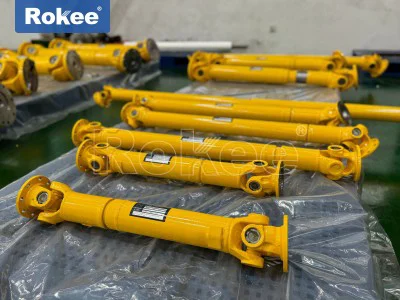
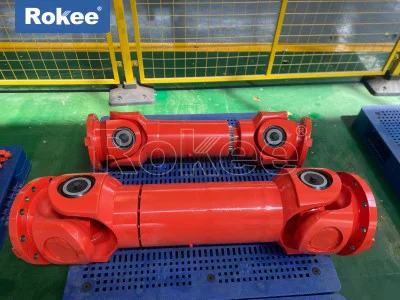
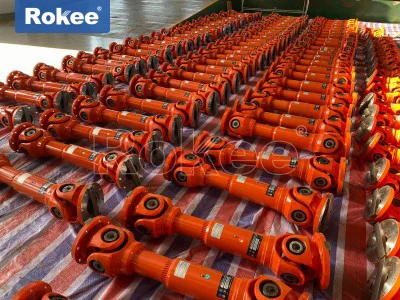
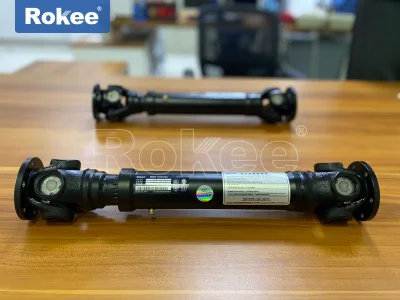
Installation And Maintenance Guide Of Cardan Drive Shaft For PU Sandwich Panel Machinery
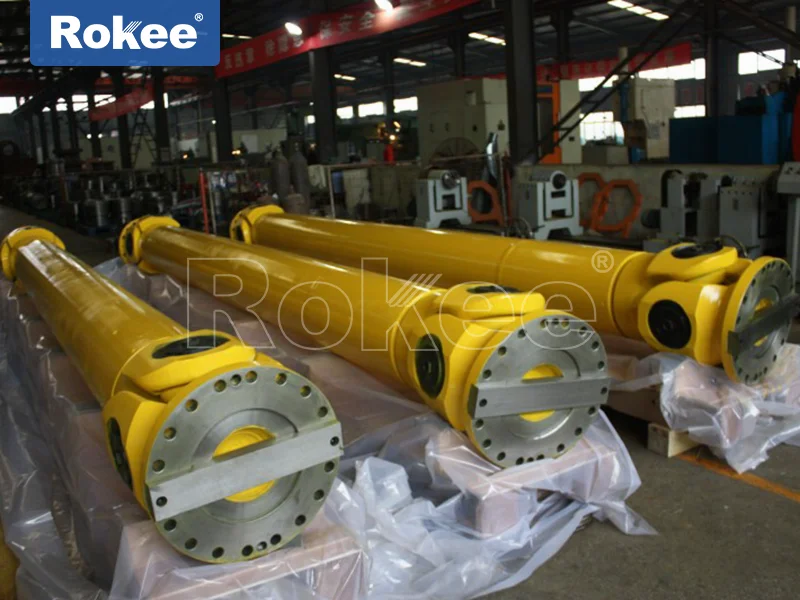
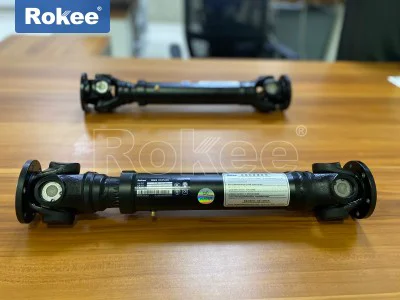
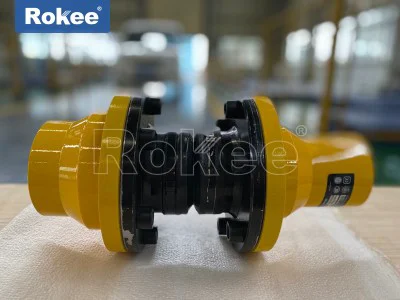
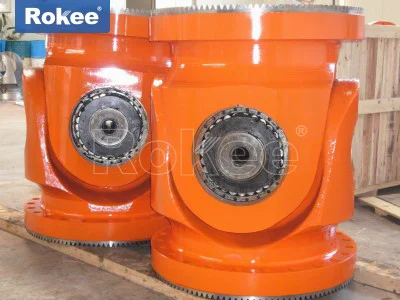
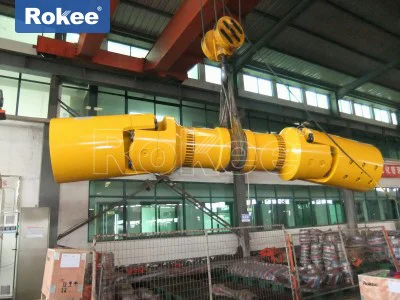
The cardan drive shaft is a critical component in PU sandwich panel machinery, responsible for transmitting torque and rotational motion between non-coaxial components while compensating for angular, radial, and axial deviations. Its stable and reliable operation directly affects the production efficiency, product quality, and service life of the entire PU sandwich panel production line. Unlike rigid transmission components, the cardan drive shaft features a flexible structure that allows for slight misalignments between the driving and driven shafts, which is essential in the complex layout of PU sandwich panel machinery where multiple subsystems—such as uncoiling, roll forming, foaming, lamination, and cutting—are often not perfectly coaxial due to process requirements and equipment design constraints. To ensure optimal performance and avoid unexpected failures that could disrupt production, proper installation, regular maintenance, and timely troubleshooting are indispensable.
Before initiating the installation of the cardan drive shaft, thorough preparation work is essential to lay a solid foundation for subsequent operations and prevent potential issues caused by improper preparation. First, it is crucial to inspect the cardan drive shaft itself to ensure there are no visible defects such as cracks, dents, or deformation on the shaft body, yokes, cross journals, or needle bearing cups. Any damage to these components can lead to uneven torque transmission, increased vibration, and even premature failure during operation. Additionally, check the surface of the spline shaft and spline sleeve for wear, corrosion, or foreign debris, as these can affect the sliding performance of the length compensation mechanism and cause excessive backlash. The needle bearings and seals should also be inspected to ensure they are intact and free from damage; worn or damaged bearings can result in increased friction and noise, while faulty seals may lead to lubricant leakage and contamination. Next, verify the compatibility between the cardan drive shaft and the connecting components of the PU sandwich panel machinery, including the flanges, shafts, and mounting brackets. Ensure that the dimensions of the shaft ends, flange holes, and keyways match the corresponding parts of the machinery, as mismatches can cause improper installation, uneven stress distribution, and potential component damage. It is also important to prepare the necessary tools and materials for installation, such as wrenches, press machines, alignment tools, cleaning agents, and the appropriate type of lubricant. The installation site should be clean and free from dust, debris, and other contaminants that could enter the cardan drive shaft during installation and affect its performance.
The installation process of the cardan drive shaft for PU sandwich panel machinery requires strict adherence to technical specifications to ensure correct alignment, secure fastening, and proper operation. The first step is to clean all connecting surfaces, including the flanges of the driving and driven shafts, the spline shaft, and the spline sleeve. Use a clean cloth and appropriate cleaning agent to remove any oil, grease, rust, or debris from these surfaces, as contaminants can cause poor contact, uneven torque transmission, and accelerated wear. Once the surfaces are clean and dry, apply a thin layer of lubricant to the spline surfaces and the contact areas of the bearings to reduce friction during assembly and initial operation. When connecting the cardan drive shaft to the driving and driven shafts, it is essential to ensure correct alignment to eliminate unnecessary vibration and stress. For a driveline composed of two universal joints, three key conditions must be met to achieve complete synchronous motion: equal deflection angles at both joints, the two inner forks must be on the same plane, and the input and output shafts must also lie on one plane. If the driveline is angled three-dimensionally, where the input and output shafts are not in the same plane, the inner forks must be offset relative to each other to ensure they lie in the same plane of deflection created by their joints, and the three-dimensional deflection angles must be equal. Incorrect alignment or assembly of the universal joints will not only fail to equalize fluctuating output motion but also amplify it, leading to early bearing and spline failure. Therefore, when assembling the two halves of the driveline, it is crucial to ensure that the marker points on the spline shaft and spline sleeve face each other to maintain correct phase alignment.
After ensuring correct alignment, the next step is to fasten the connecting bolts. The flange bolts should be tightened in a diagonal sequence and in multiple stages to ensure uniform torque distribution and secure connection. Over-tightening can cause thread damage or deformation of the flanges, while under-tightening may result in loose connections, leading to vibration, noise, and even component separation during operation. It is important to use the prescribed torque when tightening the bolts, although specific torque values are not provided here to avoid any association with brand-specific specifications. Once the bolts are securely fastened, check the rotational flexibility of the cardan drive shaft by manually rotating it; it should rotate smoothly without anyjamming, resistance, or abnormal noise. If any resistance or noise is detected, it may indicate improper alignment, damaged bearings, or foreign objects trapped in the components, which must be addressed before proceeding. Additionally, check the length compensation mechanism of the cardan drive shaft to ensure it can move freely within the specified range, as this mechanism is responsible for compensating for axial displacement caused by thermal expansion or equipment vibration during operation. If the length compensation mechanism is stuck or restricted, it can lead to excessive stress on the shaft and related components, resulting in premature failure.
After installation, a trial run is necessary to verify the performance of the cardan drive shaft and ensure that all components are operating correctly. Before starting the trial run, check all connections again to ensure there are no loose bolts or components. The trial run should be conducted in three stages: idle operation, low-load operation, and normal-load operation. During idle operation, start the PU sandwich panel machinery and allow the cardan drive shaft to rotate without any load for a period of time, typically 10 to 15 minutes. During this period, observe the rotation of the cardan drive shaft for any abnormal vibration, noise, or leakage. Check the temperature of the bearings and other key components; excessive heat may indicate insufficient lubrication or improper alignment. After the idle operation is completed without any issues, proceed to low-load operation, where the machinery is operated at a reduced load to simulate partial production conditions. Continue to monitor the cardan drive shaft for any abnormalities, including vibration, noise, and lubricant leakage. Finally, conduct normal-load operation, where the machinery is operated at full production load, and closely observe the performance of the cardan drive shaft. Any abnormal phenomena detected during the trial run must be immediately addressed by stopping the machinery, identifying the cause, and making the necessary adjustments or repairs. Only after the cardan drive shaft passes the trial run and operates stably under normal load can the PU sandwich panel machinery be put into formal production.
Regular maintenance is key to extending the service life of the cardan drive shaft and ensuring its stable operation in PU sandwich panel machinery. The maintenance frequency should be determined based on the operating conditions of the machinery, including the operating hours, load intensity, and working environment. In general, a comprehensive inspection and maintenance should be conducted at least once a year, while more frequent maintenance may be required for machinery operating under harsh conditions, such as high humidity, dust, or heavy load. The core content of regular maintenance includes lubrication, inspection, and cleaning.
Lubrication is one of the most important maintenance tasks for the cardan drive shaft, as proper lubrication can reduce friction between moving components, prevent wear and corrosion, and extend the service life of the bearings and splines. The cardan drive shaft is typically lubricated with grease, and the type of grease should be selected based on the operating conditions of the PU sandwich panel machinery. A lithium complex grease complying with relevant standards is generally recommended, and grease containing moly cote additives should be avoided. Before re-lubricating, the grease nipples should be thoroughly cleaned to remove any accumulated grease, dirt, or debris, as contaminants can be pressed into the bearings during the lubrication process and cause damage. The lubrication should be performed using a grease gun with a maximum permissible pressure of 15 bar to avoid damaging the seals or bearings. When lubricating the journal cross assemblies, grease should be injected through the conical grease nipple located in the middle of the cross or at the bottom of the bush until the grease escapes from the seals of the bearings. This ensures that all bearing surfaces are fully lubricated and any contaminants trapped in the bearings are flushed out. For the length compensation mechanism, lubrication should be performed according to the same interval as the journal cross assemblies. If the cardan drive shaft has been stored for more than 6 months, it must be re-lubricated before use to ensure optimal performance. It is also important to note that in low-temperature conditions, the machinery should be operated immediately after lubrication to activate the length compensation mechanism and remove excess lubricant, which can freeze into a waxy substance and cause damage to the seals or sliding components.
Inspection is another critical aspect of regular maintenance, involving a comprehensive check of all components of the cardan drive shaft to identify potential issues before they escalate into serious failures. During inspection, first check the flange bolts for tightness and retighten them if necessary, following the diagonal sequence and prescribed torque. Next, inspect the cardan drive shaft for any visible damage, such as cracks, dents, or deformation on the shaft body, yokes, or cross journals. Check the needle bearing cups and cross journals for signs of wear; since these components wear simultaneously, both the cross and the needle bearings must be replaced if any wear is detected. The seals should also be inspected for damage or leakage; worn or damaged seals should be replaced immediately to prevent lubricant leakage and contamination. Additionally, check the backlash of the cardan drive shaft by lifting the joints and checking the visible or tangible backlash; excessive backlash may indicate worn splines or bearings and should be addressed promptly. During operation, listen for any unusual noise, such as squeaking, grinding, or knocking, which may indicate damaged bearings, loose components, or improper alignment. Vibration is another indicator of potential issues; excessive vibration may be caused by unbalanced components, improper alignment, or worn bearings. If any abnormal noise or vibration is detected, the machinery should be stopped immediately to identify and resolve the cause.
Cleaning is an essential part of maintenance that helps prevent the accumulation of dust, debris, and contaminants, which can cause wear and damage to the cardan drive shaft components. When cleaning the cardan drive shaft, avoid using aggressive chemical detergents, pressurized water, or steam jets, as these can damage the seals and allow dirt or water to penetrate into the bearings and other components. Instead, use a clean cloth and a mild cleaning agent to wipe the surface of the shaft body, yokes, and flanges, removing any accumulated dust, grease, or debris. After cleaning, the cardan drive shaft must be re-lubricated until the grease escapes from the seals to ensure that all moving components are properly protected.
In addition to regular maintenance, timely troubleshooting of common faults is essential to minimize downtime and ensure the continuous operation of the PU sandwich panel machinery. Common faults of the cardan drive shaft include abnormal vibration, unusual noise, lubricant leakage, and insufficient torque transmission, each of which has specific causes and corresponding solutions.
Abnormal vibration is one of the most common faults, often caused by improper alignment, unbalanced components, worn bearings, or loose connections. If vibration occurs during operation, first check the alignment of the cardan drive shaft to ensure that the input and output shafts are properly aligned and that the universal joints meet the required conditions for synchronous motion. If alignment is correct, check for unbalanced components; the cardan drive shaft may need to be rebalanced to eliminate vibration. Worn bearings or loose bolts can also cause vibration, so inspect the bearings for wear and the bolts for tightness, replacing or retightening as necessary. In some cases, vibration may be caused by the length compensation mechanism being stuck; check the mechanism to ensure it can move freely and lubricate it if necessary.
Unusual noise is another common fault that can indicate various issues. Squeaking or clicking noises may be caused by insufficient lubrication, worn bearings, or loose components. If such noises are detected, first check the lubrication status of the cardan drive shaft and re-lubricate if necessary. If lubrication is sufficient, inspect the bearings for wear and replace them if needed. Grinding or knocking noises may indicate damaged cross journals, needle bearings, or yokes; in such cases, the damaged components should be replaced immediately to prevent further damage to the cardan drive shaft and other parts of the machinery. It is important to note that any unusual noise should be addressed promptly, as prolonged operation with abnormal noise can lead to more serious failures and higher repair costs.
Lubricant leakage is a fault that can lead to insufficient lubrication, increased friction, and premature component wear. The main causes of lubricant leakage include damaged seals, loose grease nipples, or over-lubrication. If lubricant leakage is detected, first check the seals for damage or wear and replace them if necessary. Check the grease nipples to ensure they are tightly fastened and not damaged. If over-lubrication is the cause, remove the excess lubricant and ensure that future lubrication is performed according to the recommended amount. Additionally, check the bearing cups and cross journals for any damage that may be causing leakage, and replace any damaged components.
Insufficient torque transmission can affect the production efficiency of the PU sandwich panel machinery and may be caused by worn splines, damaged cross journals, or loose connections. If the cardan drive shaft is unable to transmit sufficient torque, check the spline shaft and spline sleeve for wear; worn splines should be replaced to ensure proper torque transmission. Inspect the cross journals and needle bearings for damage, as these components are critical for torque transmission. Loose flange bolts can also cause insufficient torque transmission, so check the bolts and retighten them if necessary. In some cases, insufficient torque transmission may be caused by improper alignment of the universal joints, so recheck the alignment and adjust as needed.
When replacing components of the cardan drive shaft, it is important to use high-quality replacement parts that are compatible with the original specifications. The disassembly process should be performed carefully using the appropriate tools to avoid damaging the remaining components. To disassemble the universal joint, first eliminate the tension between the circlips and bearing cups, then remove the circlips using special pliers. Press out one bearing cup at each yoke using a press or a plastic/aluminum hammer (to avoid damaging the components), then grip the cups extending out of the yokes and pull them out. Press out and pull off the opposite cup, then remove the cross. When assembling the universal joint, insert the cross into the yoke, press in the bearing cup on one side and secure it with a circlip, then press in and secure the opposite cup. Repeat the process for the second yoke. After assembly, lightly tap the yokes with a hammer to eliminate any tension in the universal joint, ensuring it can rotate freely. It is also important to ensure that the marker points on the spline shaft and spline sleeve are aligned during assembly to maintain correct phase alignment.
In addition to the above installation, maintenance, and troubleshooting practices, there are several operational precautions that can help extend the service life of the cardan drive shaft and ensure its stable operation. First, avoid overloading the PU sandwich panel machinery, as excessive load can cause excessive stress on the cardan drive shaft and lead to premature failure. The power required by the machinery, according to the rotation speed, should be compatible with the nominal power of the cardan drive shaft. Second, avoid sudden starts or stops, as these can cause shock loads that damage the cardan drive shaft components. Third, keep the working environment clean and dry to prevent dust, moisture, and other contaminants from entering the cardan drive shaft. If the machinery is operated in a dusty or humid environment, additional protective measures should be taken to protect the cardan drive shaft. Fourth, regularly inspect the entire transmission system of the PU sandwich panel machinery, including the driving and driven shafts, flanges, and mounting brackets, to ensure they are in good condition and compatible with the cardan drive shaft. Any issues with these components can affect the performance of the cardan drive shaft and lead to failures.
In conclusion, the cardan drive shaft is a vital component in PU sandwich panel machinery, and its proper installation, regular maintenance, and timely troubleshooting are essential for ensuring the stable and efficient operation of the production line. By following the installation procedures outlined in this guide, conducting regular maintenance including lubrication, inspection, and cleaning, and addressing common faults promptly, operators can extend the service life of the cardan drive shaft, reduce downtime, and improve the overall performance and reliability of the PU sandwich panel machinery. It is important to emphasize that all operations should be performed by trained and qualified personnel, using the appropriate tools and materials, to ensure safety and avoid damage to the equipment. While this guide provides comprehensive information on the installation and maintenance of cardan drive shafts for PU sandwich panel machinery, it is also important to refer to the specific technical requirements of the machinery to ensure optimal performance.