Cardan Drive Shaft Improves Production Efficiency Of PIR Sandwich Panel Machinery
In the modern manufacturing landscape, the production of PIR (polyisocyanurate) sandwich panels has become increasingly vital, driven by the growing demand for energy-efficient, fire-resistant, and structurally robust building materials. These panels, composed of a PIR foam core sandwiched between two outer facings such as metal sheets, aluminum foil, or cement-based fabrics, are widely used in prefabricated housing, industrial plants, cold storage facilities, and temporary structures, thanks to their exceptional thermal insulation, light weight, and durability. However, the efficiency of PIR sandwich panel machinery is often constrained by the performance of its power transmission components, as the production process involves a series of interconnected stages—from raw material feeding and foam mixing to lamination, curing, and cutting—that require precise, continuous, and reliable power transfer. Among the various components that contribute to the smooth operation of these machines, the cardan drive shaft stands out as a critical innovation, whose unique structural design and superior transmission capabilities have significantly enhanced production efficiency, reduced downtime, and improved overall operational reliability.
To understand the impact of the cardan drive shaft on PIR sandwich panel machinery, it is first essential to grasp the core challenges of power transmission in these complex systems. PIR sandwich panel production is a continuous, automated process that integrates mechanical, electrical, and chemical technologies, with each stage relying on synchronized power delivery to ensure consistent product quality. Traditional power transmission components, such as rigid shafts or simple couplings, often struggle to meet the demands of this dynamic environment. One of the primary challenges is the misalignment between the power source (such as an electric motor) and the driven equipment (including conveyors, mixers, roll forming stations, and cutting units). Due to the layout constraints of the machinery, the driving and driven shafts are rarely perfectly collinear, leading to angular, axial, or radial deviations. Rigid components cannot accommodate these misalignments, resulting in excessive wear, vibration, and energy loss, which in turn cause frequent breakdowns, reduced production speed, and increased maintenance costs. Additionally, the production process involves variable loads—for example, when the machinery switches between different panel thicknesses or material types—requiring a transmission component that can adapt to changing torque demands without compromising performance. The cardan drive shaft, with its inherent flexibility and robust design, addresses these challenges effectively, making it an indispensable component in modern PIR sandwich panel machinery.
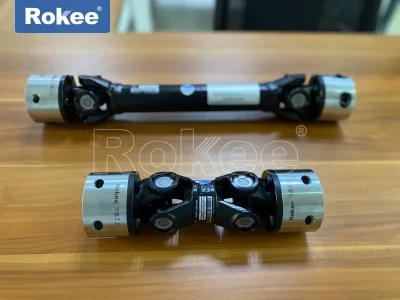
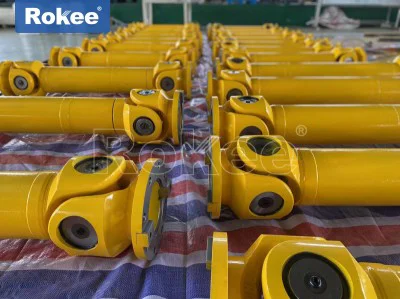
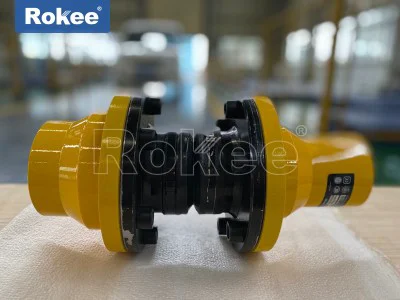
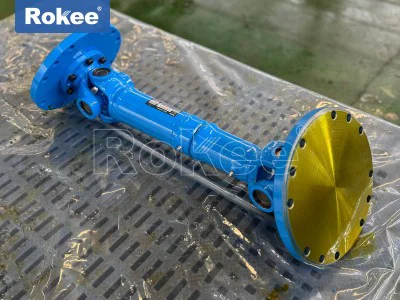
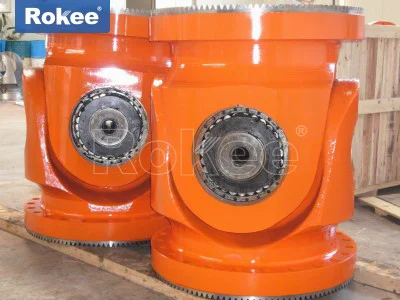
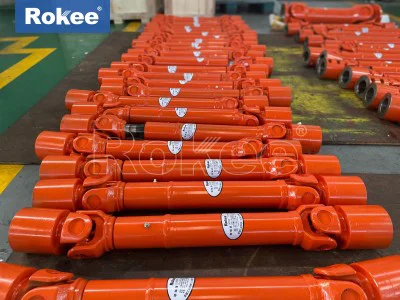
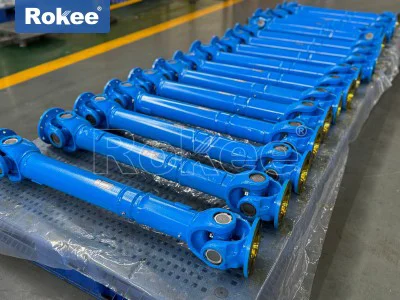
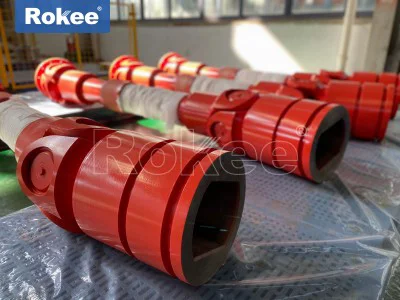
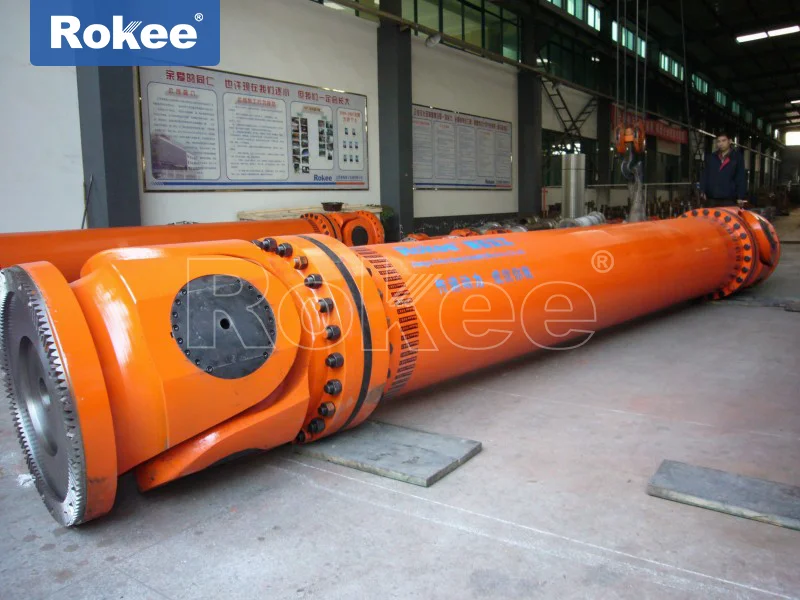
The cardan drive shaft, also known as a universal joint drive shaft, is a mechanical component designed to transmit rotational power between two non-collinear shafts while accommodating angular misalignment, axial movement, and radial displacement. Its basic structure consists of two yokes (or forks) connected by a cross-shaped intermediate member, commonly referred to as a spider, which is equipped with bearings to allow for smooth rotation. This design enables the cardan drive shaft to transfer torque and rotational motion even when the connected shafts are inclined at angles ranging from a few degrees to as much as 45 degrees, depending on the design specifications. Unlike rigid shafts, which require precise coaxial alignment, the cardan drive shaft’s flexible articulation compensates for installation errors, thermal expansion, and vibration-induced displacements that occur during long-term operation. This flexibility not only reduces mechanical stress on the machinery but also ensures consistent power transmission, which is critical for maintaining the uniformity of the PIR sandwich panels throughout the production process.
One of the key ways in which the cardan drive shaft improves production efficiency is by minimizing energy loss during power transmission. In PIR sandwich panel machinery, energy efficiency directly impacts production costs and output, as the process requires significant power to drive conveyors, mix foam components, and maintain the precise temperature conditions needed for foam curing. Traditional transmission systems often suffer from energy loss due to friction, misalignment, and vibration, as rigid components struggle to adapt to the dynamic operating conditions. The cardan drive shaft, however, is engineered with precision-balanced components and high-quality bearings that reduce friction to a minimum. Its ability to accommodate misalignments without creating additional resistance ensures that a greater proportion of the power from the motor is transferred to the driven equipment, rather than being wasted as heat or mechanical noise. This improved energy efficiency allows the machinery to operate at higher speeds while consuming less power, thereby increasing production output and reducing operational costs over time.
Another significant advantage of the cardan drive shaft is its ability to reduce downtime and maintenance requirements, which are major contributors to reduced production efficiency in PIR sandwich panel manufacturing. Downtime can occur due to component failure, excessive wear, or the need for frequent adjustments, all of which disrupt the continuous production process and lead to lost output. Traditional rigid shafts and couplings are prone to wear and tear when subjected to misalignment and variable loads, often requiring regular lubrication, adjustment, or replacement. In contrast, the cardan drive shaft is constructed from high-strength materials such as heat-treated steel or alloys, which are designed to withstand heavy-duty use, high torque, and extreme operating conditions. The precision manufacturing of its components—including the yokes, spider, and bearings—ensures exceptional durability and resistance to wear, even under continuous operation. Additionally, the cardan drive shaft’s design allows for easy maintenance, with accessible components that can be inspected, lubricated, or replaced without requiring extensive disassembly of the machinery. This reduces the frequency and duration of maintenance stops, ensuring that the PIR sandwich panel machinery operates at maximum uptime.
The cardan drive shaft also enhances the precision and consistency of the PIR sandwich panel production process, which in turn improves product quality and reduces material waste—both of which contribute to higher overall efficiency. The production of PIR sandwich panels requires precise control over several key parameters, including the thickness of the foam core, the bonding between the core and the outer facings, and the accuracy of the cutting process. Any inconsistency in power transmission can lead to defects such as uneven panel thickness, poor adhesion between layers, foam overflow, or incorrect cutting lengths, all of which result in material waste and the need for rework. The cardan drive shaft ensures smooth, consistent power delivery to all components of the machinery, maintaining synchronized operation across the entire production line. For example, in the foam mixing stage, consistent power transmission ensures that the polyisocyanate and polyol components are mixed at the correct ratio, leading to a uniform foam core with consistent density and thermal insulation properties. In the lamination and curing stages, synchronized power delivery to the conveyors and press systems ensures that the outer facings are bonded to the foam core evenly, preventing delamination and ensuring structural integrity. In the cutting stage, precise power transmission ensures that the panels are cut to the correct length and dimensions, reducing waste and improving the efficiency of the production process.
Furthermore, the cardan drive shaft’s versatility and adaptability make it suitable for a wide range of PIR sandwich panel machinery configurations, allowing manufacturers to customize their production lines to meet specific needs without compromising efficiency. PIR sandwich panel machinery comes in various sizes and configurations, depending on the desired panel dimensions, production capacity, and material specifications. The cardan drive shaft can be tailored to different lengths, diameters, and torque capacities, making it compatible with both small-scale and large-scale production lines. Its ability to accommodate different angles and displacements also allows for greater flexibility in the layout of the machinery, enabling manufacturers to optimize the use of available space and integrate new components or technologies as needed. For example, in production lines that require long-distance power transmission between non-aligned components, the cardan drive shaft can bridge the gap effectively, eliminating the need for complex and inefficient intermediate transmission systems. This versatility not only improves the efficiency of existing machinery but also facilitates the expansion and upgrading of production lines, allowing manufacturers to adapt to changing market demands and increase their production capacity.
In addition to its direct impact on production efficiency, the cardan drive shaft also contributes to the overall reliability and longevity of PIR sandwich panel machinery. The continuous operation of these machines places significant stress on all components, and any failure in the power transmission system can lead to costly downtime and repairs. The cardan drive shaft’s robust design and ability to absorb vibration and shock loads help protect other critical components of the machinery, such as motors, gears, and bearings, from excessive wear and damage. By reducing mechanical stress and vibration, the cardan drive shaft extends the service life of the entire machinery, reducing the need for frequent replacements and lowering long-term operational costs. This increased reliability is particularly important in high-volume production environments, where even a short period of downtime can result in significant financial losses.
To fully appreciate the impact of the cardan drive shaft on PIR sandwich panel machinery, it is useful to consider the practical implications of its adoption. For example, a manufacturer using traditional rigid shafts might experience frequent breakdowns due to misalignment, resulting in several hours of downtime per week. By switching to cardan drive shafts, the manufacturer can reduce downtime by up to 50%, significantly increasing production output. Additionally, the improved energy efficiency of the cardan drive shaft can reduce power consumption by 10-15%, leading to substantial cost savings over time. The reduction in material waste, due to improved precision and consistency, further enhances the economic efficiency of the production process. These benefits are particularly significant in the competitive PIR sandwich panel market, where manufacturers are constantly seeking ways to reduce costs, increase output, and improve product quality.
It is also important to note that the performance of the cardan drive shaft is influenced by proper installation, maintenance, and operation. While the cardan drive shaft is designed to be durable and low-maintenance, regular inspection and lubrication are essential to ensure optimal performance. Proper alignment of the drive shaft, even though it can accommodate misalignments, helps reduce unnecessary stress and extend its service life. Manufacturers should also ensure that the cardan drive shaft is selected based on the specific torque and speed requirements of their machinery, as using an undersized or oversized shaft can lead to inefficiency or component failure. By following best practices for installation and maintenance, manufacturers can maximize the benefits of the cardan drive shaft and ensure long-term improvements in production efficiency.
In conclusion, the cardan drive shaft has emerged as a critical component in PIR sandwich panel machinery, significantly improving production efficiency through its unique combination of flexibility, durability, and energy efficiency. By addressing the key challenges of power transmission—such as misalignment, energy loss, and component wear—it enables continuous, reliable operation of the production line, reducing downtime, improving product quality, and lowering operational costs. Its versatility and adaptability make it suitable for a wide range of machinery configurations, allowing manufacturers to optimize their production processes and adapt to changing market demands. As the demand for PIR sandwich panels continues to grow, the adoption of cardan drive shafts will become increasingly important for manufacturers seeking to maintain a competitive edge in the industry. By investing in this essential component, manufacturers can enhance the efficiency, reliability, and profitability of their PIR sandwich panel production operations, ensuring long-term success in a dynamic and growing market.