Cardan Shaft Links PU Sandwich Panel Machine For Smoother Production
In the realm of modern industrial manufacturing, the production of PU sandwich panels has become increasingly vital, serving a wide range of applications from construction and refrigeration to automotive and aerospace industries. These panels, composed of a polyurethane core sandwiched between two outer layers, are valued for their excellent insulation properties, light weight, high strength, and durability. However, the efficiency and quality of PU sandwich panel production are heavily dependent on the performance of the machinery used, and one critical component that plays a pivotal role in ensuring smooth and consistent operation is the cardan shaft link. As a key mechanical transmission part, cardan shaft links address the challenges of power transmission between non-coaxial shafts, reducing vibrations, minimizing wear and tear, and ultimately enhancing the overall productivity and reliability of PU sandwich panel machines.
To understand the significance of cardan shaft links in PU sandwich panel production, it is first essential to grasp the basic working principle of these machines. A typical PU sandwich panel machine involves a series of interconnected processes, including uncoiling of the outer skin materials, mixing and pouring of the polyurethane foam, lamination, pressing, cutting, and stacking. Each of these processes requires precise synchronization and consistent power transmission to ensure that the panels are produced with uniform thickness, smooth surfaces, and strong adhesion between the core and the outer layers. Any disruption in power transmission, such as uneven torque distribution, excessive vibration, or misalignment between rotating components, can lead to defects in the final product, such as uneven foam density, delamination, surface wrinkles, or incorrect dimensions. These defects not only reduce the quality of the panels but also increase material waste and production downtime, resulting in higher operational costs and reduced competitiveness.
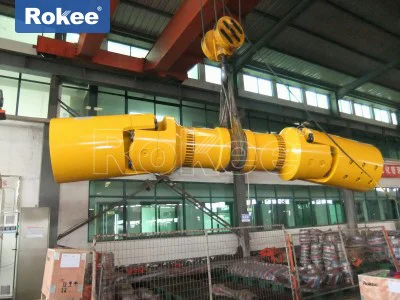
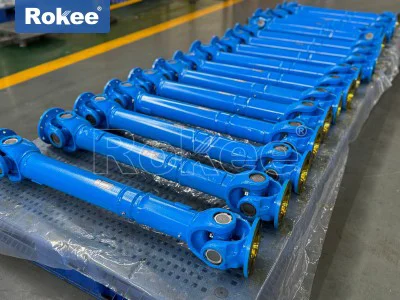
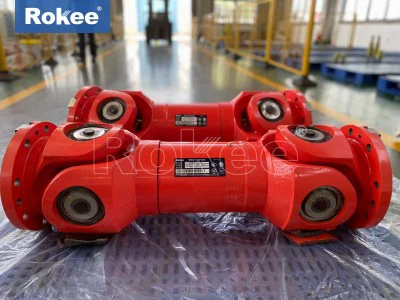
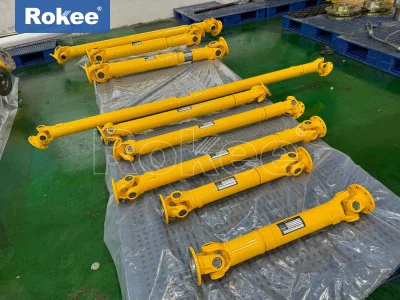
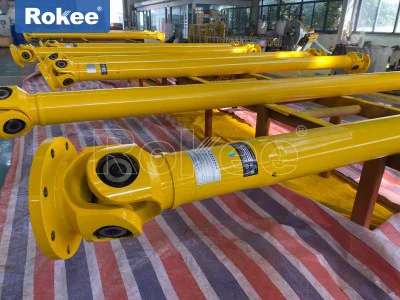
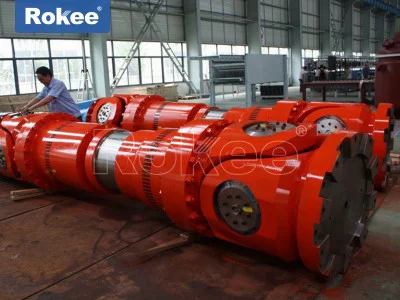
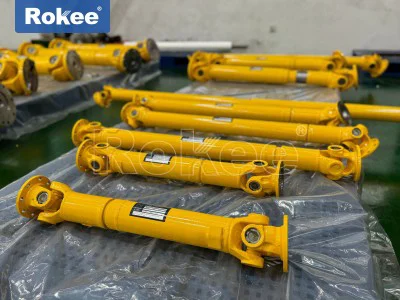
Cardan shaft links, also known as universal joint shafts, are designed to transmit rotational motion and torque between two shafts that are not perfectly aligned, either angularly or axially. Unlike rigid couplings that require precise coaxial alignment, cardan shaft links offer a high degree of flexibility, allowing for angular misalignment of up to 25 degrees or more, depending on the design, and compensating for axial displacement through spline connections. This flexibility is particularly crucial in PU sandwich panel machines, where multiple components such as uncoilers, rollers, mixers, and cutters operate at different positions and may experience slight misalignments due to manufacturing tolerances, thermal expansion, or mechanical wear over time. Without a flexible transmission component like a cardan shaft link, these misalignments would cause excessive stress on the machinery, leading to premature failure of bearings, gears, and other critical parts, as well as inconsistent power delivery to the production processes.
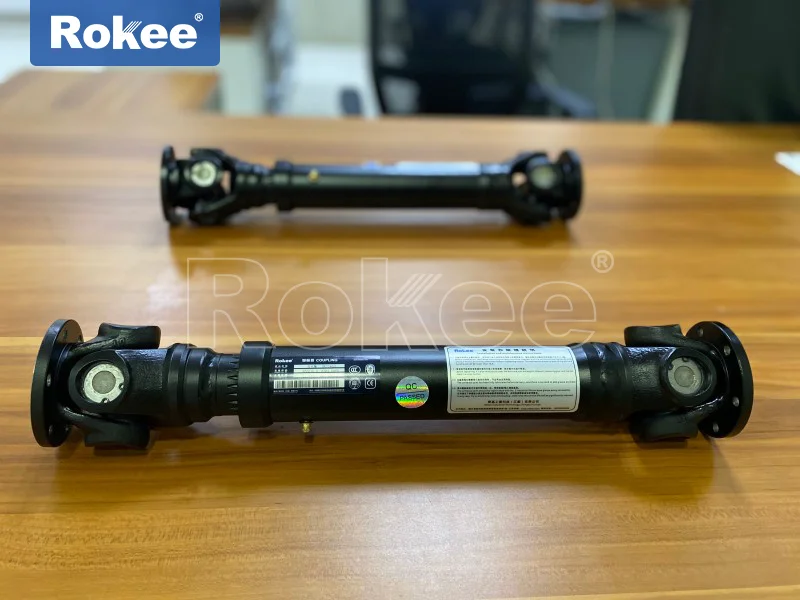
The structure of a cardan shaft link typically consists of two universal joints (also called cardan joints) connected by a central shaft. Each universal joint comprises a pair of hinges oriented at 90 degrees to each other, connected by a cross shaft, which allows for rotational movement in multiple planes. The universal joints are attached to flanges at both ends, which connect to the driving and driven shafts of the PU sandwich panel machine components. Some cardan shaft links also feature spline connections, which enable axial movement between the shafts, further enhancing their ability to compensate for misalignments and accommodate changes in distance between rotating components during operation. This design ensures that torque is transmitted smoothly and efficiently, even when the shafts are not perfectly aligned, reducing the risk of power loss and vibration.
One of the primary benefits of integrating cardan shaft links into PU sandwich panel machines is the reduction of vibration during operation. Vibration is a common issue in industrial machinery, especially in high-speed production lines, and it can have a detrimental impact on both the machinery and the final product. Excessive vibration can cause the PU foam to mix unevenly, leading to inconsistent density and structural weakness in the core of the panels. It can also result in surface defects on the outer layers, such as scratches or wrinkles, and accelerate the wear of machine components, increasing maintenance frequency and downtime. Cardan shaft links help mitigate this problem by absorbing and dampening vibrations, thanks to their flexible structure and the ability to distribute torque evenly. The universal joints allow for slight movements that absorb shocks and vibrations, preventing them from being transmitted to other parts of the machine and the production process.
Another key advantage of cardan shaft links is their high torque transmission capacity, which is essential for the heavy-duty operations of PU sandwich panel machine. The production of these panels involves processes that require significant power, such as pressing large sheets of outer skin material together with the polyurethane core, and driving large rollers and cutters at consistent speeds. Cardan shaft links are designed to handle high levels of torque without deformation or failure, ensuring that power is transmitted efficiently from the motor to the various components of the machine. This high torque capacity also allows the machine to handle thicker or denser materials, expanding the range of PU sandwich panels that can be produced and improving overall production flexibility.
In addition to reducing vibration and transmitting high torque, cardan shaft links also contribute to the smooth operation of PU sandwich panel machines by minimizing wear and tear on other components. When shafts are misaligned, rigid couplings transfer excessive stress to bearings, gears, and shafts, leading to premature wear and failure. Cardan shaft links, by accommodating misalignments, reduce this stress, extending the lifespan of these critical components. This not only reduces maintenance costs but also minimizes production downtime, as fewer repairs and component replacements are needed. Furthermore, the simple structure of cardan shaft links makes them easy to install and maintain, with most designs requiring only regular lubrication to ensure optimal performance. This ease of maintenance further enhances the overall efficiency of the production line, allowing operators to focus on other critical aspects of the production process.
The role of cardan shaft links in ensuring consistent production quality cannot be overstated. In PU sandwich panel production, consistency is key, as even minor variations in panel thickness, foam density, or adhesion can render the product unsuitable for its intended application. For example, uneven foam density can reduce the insulation properties of the panel, while delamination between the core and outer layers can compromise its structural integrity. Cardan shaft links help maintain consistency by ensuring that all components of the machine operate in perfect synchronization. By transmitting power smoothly and evenly, they ensure that the uncoiling of outer skin materials is consistent, the mixing of PU foam is uniform, and the pressing and cutting processes are precise. This synchronization eliminates variations in the production process, resulting in PU sandwich panels that meet strict quality standards with minimal defects.
To fully leverage the benefits of cardan shaft links in PU sandwich panel machines, it is important to consider factors such as the design, material, and maintenance of the links. The design of the cardan shaft link should be tailored to the specific requirements of the machine, including the torque capacity, angular misalignment tolerance, and operating speed. Different types of cardan shaft links, such as single cardan joints, double cardan joints, and ball cage cardan joints, offer different levels of flexibility and performance, and the appropriate type should be selected based on the application. For example, double cardan joints, which are also known as constant velocity joints, are ideal for applications where angular misalignment occurs frequently, as they reduce vibration and maintain constant speed rotation.
The material used in the construction of cardan shaft links is also critical to their performance and durability. High-strength materials such as alloy steel are commonly used, as they offer excellent resistance to wear, fatigue, and corrosion, ensuring that the links can withstand the harsh operating conditions of PU sandwich panel machines. The universal joints and cross shafts should be made from materials that can handle high levels of stress and torque, while the bearings should be designed to reduce friction and ensure smooth rotation. Proper lubrication is also essential to maintain the performance of cardan shaft links, as it reduces friction between moving parts, prevents corrosion, and extends their lifespan. Regular lubrication with the appropriate type of lubricant can significantly reduce wear and tear, ensuring that the links operate smoothly for an extended period.
In addition to proper design and maintenance, the integration of cardan shaft links into PU sandwich panel machines should be done with careful consideration of the overall system. The links should be properly aligned with the driving and driven shafts to maximize their efficiency and minimize stress. Misalignment during installation can negate the benefits of the cardan shaft link, leading to increased vibration and wear. It is also important to ensure that the cardan shaft links are compatible with other components of the machine, such as the motor, gearbox, and rollers, to ensure seamless power transmission and synchronization. Regular inspections of the cardan shaft links, including checking for wear, damage, or misalignment, can help identify potential issues before they lead to machine failure or production defects.
The impact of cardan shaft links on the overall efficiency of PU sandwich panel production is significant. By reducing vibration, minimizing wear and tear, and ensuring consistent power transmission, these components help increase production speed while maintaining high product quality. This not only reduces material waste but also increases the output of the production line, allowing manufacturers to meet growing demand and improve their bottom line. Furthermore, the reduced maintenance requirements and extended component lifespan associated with cardan shaft links result in lower operational costs, making the production process more cost-effective and sustainable.
As the demand for high-quality PU sandwich panels continues to grow, manufacturers are increasingly looking for ways to improve the efficiency and reliability of their production processes. Cardan shaft links have emerged as a critical component in this regard, offering a simple yet effective solution to the challenges of power transmission in non-coaxial machinery. Their ability to accommodate misalignments, transmit high torque, reduce vibration, and minimize wear and tear makes them an indispensable part of modern PU sandwich panel machines. Whether used in small-scale production lines or large-scale industrial facilities, cardan shaft links play a vital role in ensuring smooth, consistent, and efficient production, helping manufacturers deliver high-quality PU sandwich panels that meet the diverse needs of their customers.
In conclusion, cardan shaft links are a key enabler of smoother production in PU sandwich panel machines. Their flexible design, high torque capacity, and ability to reduce vibration and wear make them essential components for ensuring consistent product quality, increasing production efficiency, and reducing operational costs. By understanding the role and benefits of cardan shaft links, manufacturers can optimize their production processes, enhance the reliability of their machinery, and gain a competitive edge in the global market for PU sandwich panels. As industrial technology continues to advance, the design and performance of cardan shaft links will continue to improve, further contributing to the efficiency and sustainability of PU sandwich panel production.