Common Faults And Preventive Measures Of Universal Coupling In Continuous PIR Sandwich Panel Production Line
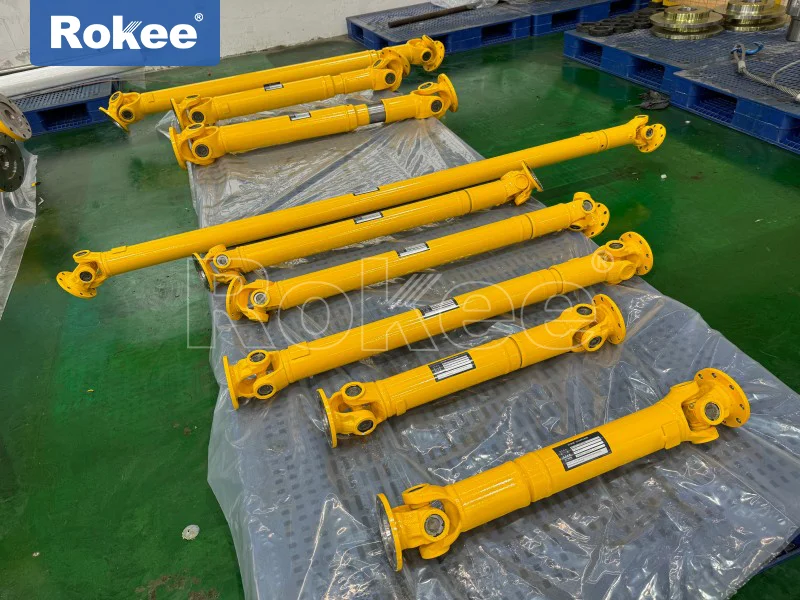
In the operation of a continuous PIR sandwich panel production line, the universal coupling serves as a critical mechanical component that enables the seamless transmission of rotational power between shafts with angular misalignment, parallel offset, or axial displacement. As an indispensable part of the production line’s transmission system, it connects key equipment such as uncoilers, roll forming machines, foaming units, laminating presses, and cutting devices, ensuring the coordinated operation of all subsystems and the stability of the production process. The continuous PIR sandwich panel production line operates continuously under harsh conditions, including long-term high-load operation, frequent start-stop cycles, and exposure to dust, high temperatures, and chemical substances from the PIR foaming process. These factors make the universal coupling prone to various faults over time, which can lead to production interruptions, reduced product quality, increased maintenance costs, and even potential safety hazards. Therefore, understanding the common faults of universal couplings in this specific application scenario, analyzing their root causes, and formulating effective preventive measures are essential to ensure the smooth operation of the continuous PIR sandwich panel production line, improve production efficiency, and extend the service life of the equipment.
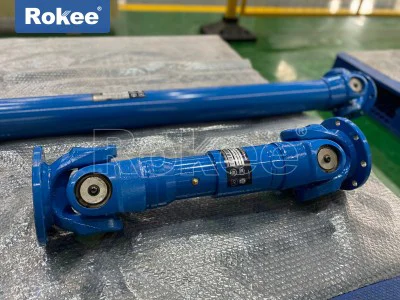
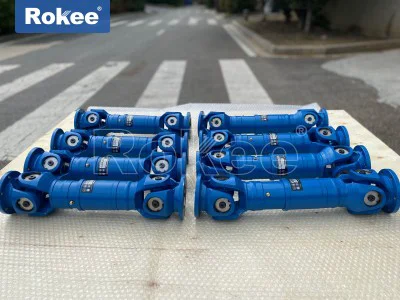
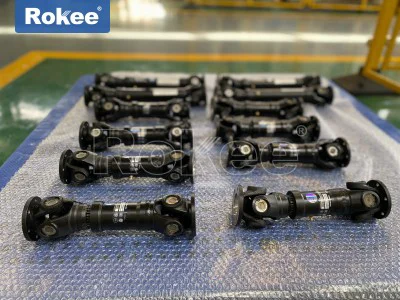
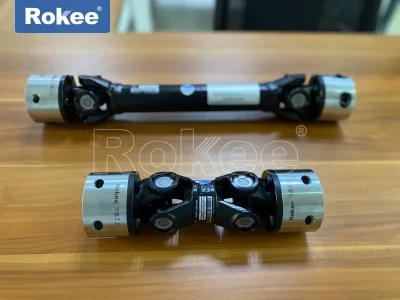
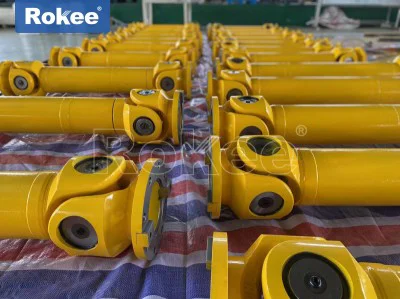
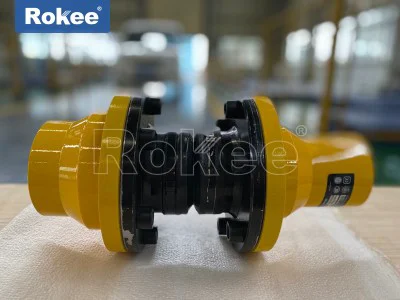
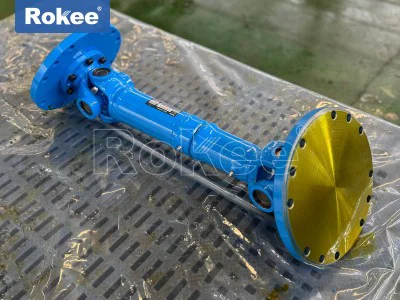
Universal couplings, also known as universal joints or U-joints, are designed to accommodate angular misalignment between connected shafts while maintaining efficient torque transmission, which is particularly important in continuous PIR sandwich panel production lines where the layout of equipment subsystems often results in non-collinear shafts. The typical structure of a universal coupling includes cross-shaped joints, yoke assemblies, needle bearings, and fasteners, with high-strength steel alloys commonly used as the main material to ensure high load-bearing capacity and fatigue resistance. However, despite their robust design, the harsh operating environment of continuous PIR sandwich panel production lines exposes universal couplings to multiple stressors that gradually degrade their performance. The production line operates continuously for long hours, meaning the universal coupling is subjected to constant torsional stress, cyclic loading, and vibration, which can lead to material fatigue and component wear. Additionally, the PIR foaming process involves the use of chemical raw materials that may generate corrosive fumes or residues, and the production environment often contains dust and debris from the facing materials and core materials, which can infiltrate the coupling’s internal components and accelerate wear and corrosion. Moreover, improper installation, inadequate maintenance, and operational errors can further increase the risk of faults, making the universal coupling one of the key components that require regular monitoring and maintenance in the production line.
One of the most common faults of universal couplings in continuous PIR sandwich panel production lines is wear failure, which manifests in various forms such as wear on the cross pin, needle bearing wear, yoke wear, and spline connection wear. Cross pin wear is often caused by inadequate lubrication, which leads to increased friction between the cross pin and the needle bearings. In the continuous operation of the production line, the cross pin rotates continuously within the bearings, and if the lubricant is insufficient, contaminated, or of the wrong type, the friction coefficient between the contact surfaces increases significantly, resulting in excessive wear of the cross pin’s journal. Over time, this wear can lead to increased clearance between the cross pin and the bearings, causing abnormal vibration and noise during operation, and even affecting the torque transmission efficiency. Needle bearing wear is another common form of wear failure; the needle bearings are responsible for reducing friction between the cross pin and the yoke, and prolonged operation under high load or poor lubrication conditions can cause the needles to wear, deform, or even break. This not only increases the rotational resistance of the coupling but also may lead to jamming of the cross joint, which can cause sudden equipment shutdowns. Yoke wear mainly occurs at the contact points with the needle bearings, where the repeated impact and friction during torque transmission gradually wear down the yoke’s inner surface, leading to increased clearance and unstable connection. Spline connection wear, on the other hand, is often caused by misalignment between the spline shaft and the spline sleeve, or insufficient lubrication, resulting in wear of the spline teeth and reduced transmission accuracy.
The root causes of wear failure in universal couplings are closely related to the operating environment and maintenance practices of the continuous PIR sandwich panel production line. Inadequate lubrication is the primary cause; many production line operators fail to follow the recommended lubrication intervals or use inappropriate lubricants, leading to insufficient lubrication film formation between the moving components. The continuous operation of the production line means that the lubricant is subjected to high temperatures and mechanical shear, which can cause it to degrade, lose its lubricating properties, and become contaminated with dust and debris. Additionally, the production environment’s dust and debris can infiltrate the coupling’s lubrication system, mixing with the lubricant and forming abrasive particles that accelerate wear. Misalignment of the connected shafts is another important cause of wear failure; during the installation or operation of the production line, factors such as foundation settlement, equipment vibration, and thermal expansion can lead to angular, radial, or axial misalignment between the driving shaft and the driven shaft. This misalignment causes uneven distribution of stress on the universal coupling’s components, leading to localized excessive wear and reducing the service life of the coupling. Furthermore, the use of low-quality or improperly processed coupling components, which may have defects in material strength or dimensional accuracy, can also accelerate wear and lead to premature failure.
Fatigue failure is another common fault of universal couplings in continuous PIR sandwich panel production lines, which is characterized by the formation and propagation of cracks in the coupling’s components, eventually leading to fracture. Fatigue failure typically occurs in the cross pin, yoke, and fasteners, which are subjected to repeated cyclic loading during the production line’s operation. The continuous PIR sandwich panel production line operates with a constant cycle of start-up, operation, and shutdown, which causes the universal coupling to experience alternating tensile and compressive stresses. Over time, these cyclic stresses lead to the formation of microcracks in the material, which gradually expand under continued loading until the component fractures. For example, the cross pin, which bears the brunt of the torsional stress during torque transmission, often develops cracks at the root of the journal or the contact points with the bearings. If these cracks are not detected in a timely manner, they can quickly expand, leading to the sudden fracture of the cross pin and the subsequent shutdown of the production line. Similarly, the yoke may develop cracks at the connection points with the shafts or the bearing seats due to repeated stress concentration, which can also result in catastrophic failure.
Several factors contribute to fatigue failure of universal couplings in continuous PIR sandwich panel production lines. The most significant factor is overloading, which occurs when the production line operates beyond the designed load capacity of the universal coupling. In some cases, to meet production deadlines or increase output, operators may overload the production line, leading to excessive torsional stress on the coupling components. This excessive stress accelerates the fatigue process and increases the risk of crack formation. Another factor is the presence of material defects; if the coupling components are made of low-quality materials with insufficient fatigue resistance, or if there are manufacturing defects such as internal inclusions, pores, or improper heat treatment, the components will be more prone to fatigue failure under cyclic loading. Additionally, inadequate maintenance and inspection can allow microcracks to go undetected, allowing them to expand and eventually lead to component fracture. The vibration generated by the production line’s operation also contributes to fatigue failure; excessive vibration increases the cyclic stress on the coupling components and accelerates the propagation of cracks.
Misalignment-related faults are also prevalent in universal couplings used in continuous PIR sandwich panel production lines, often manifesting as abnormal vibration, noise, and accelerated wear. Misalignment can be divided into angular misalignment, radial misalignment, and axial misalignment, each of which has different causes and consequences. Angular misalignment occurs when the axes of the connected shafts form an angle with each other, which is often caused by improper installation, foundation settlement, or thermal expansion of the equipment. During operation, angular misalignment causes the universal coupling to experience additional bending stress, leading to uneven wear of the cross pin and bearings, and generating abnormal vibration and noise. Radial misalignment, which is the offset of the shafts’ axes in a direction perpendicular to the rotational axis, is often caused by the deformation of the equipment frame or the misalignment of the shaft supports. This type of misalignment leads to uneven loading on the coupling components, resulting in increased friction and wear, and may also cause the coupling to vibrate excessively. Axial misalignment, which is the displacement of the shafts along their rotational axis, is often caused by thermal expansion or the movement of the equipment during operation. Axial misalignment can lead to excessive axial force on the bearings, causing them to wear prematurely or fail.
The causes of misalignment-related faults are diverse and often related to the installation, operation, and maintenance of the production line. Improper installation is a common cause; during the installation of the universal coupling, if the alignment of the connected shafts is not carefully adjusted using professional tools such as dial indicators or laser alignment devices, misalignment will occur. Additionally, the foundation of the production line may settle over time, causing the equipment to shift and the shafts to become misaligned. Thermal expansion is another important cause; the continuous operation of the production line generates a significant amount of heat, which causes the equipment and shafts to expand, leading to changes in the relative position of the shafts and misalignment of the universal coupling. Furthermore, the vibration generated by the production line’s operation can cause the fasteners of the coupling or the equipment to loosen, leading to misalignment over time. If misalignment is not corrected in a timely manner, it can lead to a vicious cycle of increased wear, vibration, and further misalignment, eventually resulting in the failure of the universal coupling and the production line.
Corrosion failure is another common issue for universal couplings in continuous PIR sandwich panel production lines, especially in environments where the production process involves corrosive substances. The PIR foaming process uses chemicals such as isocyanates and polyols, which may generate corrosive fumes or residues that can come into contact with the universal coupling. Additionally, the production environment may have high humidity, which can cause rust and corrosion of the coupling’s metal components. Corrosion failure manifests as rusting of the cross pin, yoke, and fasteners, pitting on the surface of the components, and degradation of the material’s mechanical properties. Over time, corrosion can weaken the structural integrity of the coupling components, leading to reduced load-bearing capacity, increased wear, and even fracture. For example, pitting corrosion on the cross pin can reduce its cross-sectional area, making it more prone to fatigue failure under cyclic loading. Corrosion of the needle bearings can cause them to seize, leading to jamming of the universal coupling and equipment shutdown.
The main causes of corrosion failure include exposure to corrosive media, inadequate protection, and poor maintenance. The corrosive fumes and residues from the PIR foaming process can adhere to the surface of the universal coupling, especially if the coupling is not properly sealed. Without effective protection, these corrosive substances can penetrate the coupling’s internal components, causing corrosion. Inadequate maintenance, such as infrequent cleaning or the use of inappropriate lubricants that do not have anti-corrosion properties, can also accelerate corrosion. Additionally, the use of non-corrosion-resistant materials for the coupling components, especially in production lines with harsh corrosive environments, can lead to rapid corrosion and failure. For example, if the cross pin or yoke is made of ordinary carbon steel instead of corrosion-resistant alloy steel, it will be more prone to rust and corrosion when exposed to moisture and corrosive substances.
Fastener loosening and failure is another common fault that cannot be ignored in universal couplings used in continuous PIR sandwich panel production lines. The fasteners, including bolts, nuts, and pins, are responsible for securing the coupling components together and ensuring the stability of the connection. During the operation of the production line, the universal coupling is subjected to continuous vibration, torque fluctuations, and thermal expansion, which can cause the fasteners to loosen over time. If the fasteners are not checked and retightened regularly, they may become completely loose or even fall off, leading to the disconnection of the coupling components. This can result in sudden equipment shutdown, damage to the coupling and connected equipment, and even safety hazards for the operators. In some cases, fastener failure can also be caused by over-tightening during installation, which can lead to thread damage or fatigue of the fastener material, making it more prone to breakage under cyclic loading.
To address the common faults of universal couplings in continuous PIR sandwich panel production lines, it is essential to implement a comprehensive set of preventive measures that cover installation, operation, maintenance, and inspection. Proper installation is the foundation for preventing faults, and it is crucial to ensure the accurate alignment of the connected shafts during installation. Professional tools such as laser alignment devices or dial indicators should be used to adjust the angular, radial, and axial alignment of the shafts to within the recommended limits. The installation process should also include cleaning the coupling components and the shaft ends to remove any dust, debris, or oil stains that may affect the connection. Additionally, the fasteners should be tightened to the specified torque, and lock washers or thread-locking agents should be used to prevent loosening during operation. After the initial installation, the production line should be run for a test period, and the fasteners should be retightened after the first shift to ensure they remain secure.
Regular and effective lubrication is one of the most important preventive measures for reducing wear and extending the service life of universal couplings. The type of lubricant used should be selected based on the operating conditions of the production line, such as load, temperature, and environmental factors. For continuous PIR sandwich panel production lines, high-quality lithium-based grease or molybdenum disulfide calcium-based grease is recommended, as these lubricants have excellent lubricating properties, high-temperature resistance, and anti-corrosion capabilities. The lubrication interval should be determined based on the operation type and environment: for continuous operation, lubrication should be performed every 500 hours; for intermittent operation, every 2 months; and for high-temperature or harsh environments, the interval should be shortened to weekly. The lubrication process should involve removing the grease nipple, injecting grease with a high-pressure gun until it overflows, and cleaning any excess grease to prevent contamination. Additionally, the lubrication system should be checked regularly for leaks, and the lubricant should be replaced if it becomes contaminated or degraded.
Regular inspection and monitoring are essential for detecting potential faults early and preventing them from developing into serious failures. A comprehensive inspection plan should be established, including daily inspections, regular periodic inspections, and special inspections. Daily inspections should be performed before starting the production line, focusing on checking for abnormal noise, vibration, or oil leakage from the universal coupling. Operators should also check the fasteners for looseness and the surface of the coupling for signs of wear or corrosion. Periodic inspections, which should be performed every 1 to 2 months or after 500 hours of cumulative operation, should include a more detailed examination of the coupling components. This includes checking the cross pin for wear or cracks, the needle bearings for damage or jamming, the yoke for wear or deformation, and the spline connection for wear or misalignment. Cracks can be detected by tapping the coupling components with a small hammer; a dull sound indicates the presence of cracks, which requires immediate replacement of the component. Special inspections should be performed after any abnormal operation, such as excessive vibration, noise, or equipment shutdown, to identify the root cause of the problem and prevent recurrence.
Effective environmental control and protection measures can also help prevent corrosion and wear of universal couplings. The production environment should be kept clean and dry, with dust and debris removed regularly to prevent them from infiltrating the coupling components. In areas where corrosive fumes are generated during the PIR foaming process, ventilation systems should be installed to reduce the concentration of corrosive substances in the air. Additionally, the universal coupling should be equipped with effective seals or dust covers to prevent dust, moisture, and corrosive substances from entering the internal components. The seals and dust covers should be checked regularly for damage or wear and replaced immediately if necessary. For production lines with harsh corrosive environments, coupling components made of corrosion-resistant materials such as stainless steel or alloy steel should be used to enhance their resistance to corrosion.
Proper operation and load control are also important for preventing faults in universal couplings. Operators should be trained to operate the production line within the designed load capacity, avoiding overloading which can cause excessive stress on the coupling components. The production line should be started and stopped smoothly to reduce the impact of torque fluctuations on the coupling. Additionally, operators should monitor the operation of the universal coupling during production, paying attention to any abnormal vibration, noise, or temperature rise, and shutting down the equipment immediately if any issues are detected. This can prevent minor faults from developing into major failures and reduce the risk of equipment damage and production interruptions.
In addition to the above preventive measures, it is also important to establish a comprehensive maintenance record system. Detailed records should be kept of all maintenance activities, including lubrication, inspection, and component replacement, as well as any faults that occur and their solutions. This record system can help identify patterns in fault occurrence, determine the service life of coupling components, and optimize the maintenance plan. It can also provide valuable information for troubleshooting future faults and improving the overall reliability of the production line.
In conclusion, the universal coupling is a critical component in the continuous PIR sandwich panel production line, and its reliable operation is essential for ensuring the smooth operation of the production process, improving production efficiency, and reducing maintenance costs. The common faults of universal couplings in this application scenario, including wear failure, fatigue failure, misalignment-related faults, corrosion failure, and fastener loosening, are mainly caused by inadequate lubrication, improper installation, overloading, environmental factors, and inadequate maintenance. By implementing proper installation procedures, regular lubrication, comprehensive inspection and monitoring, effective environmental protection, and proper operation and load control, these faults can be effectively prevented and controlled. Additionally, establishing a maintenance record system can help optimize the maintenance plan and improve the overall reliability of the universal coupling and the production line. By paying close attention to the condition of the universal coupling and taking proactive preventive measures, production enterprises can minimize production interruptions, reduce maintenance costs, and extend the service life of the equipment, thereby improving their competitiveness in the market.