Troubleshooting Of Cardan Drive Shaft In Sandwich Panel Manufacturing Machinery
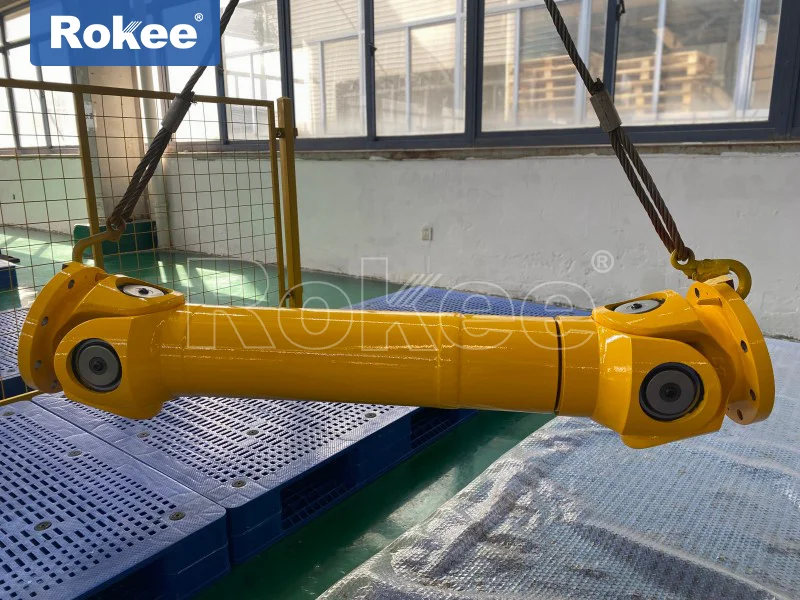
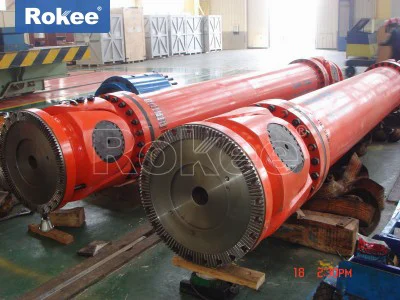
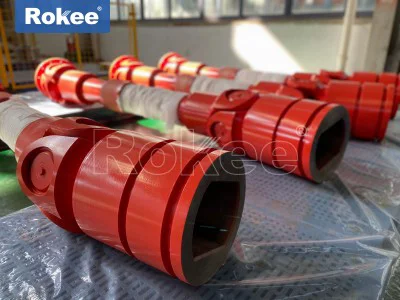
In the realm of sandwich panel manufacturing, the cardan drive shaft serves as a critical component in the transmission system, facilitating the seamless transfer of torque and rotational motion between different subsystems of the machinery. These subsystems, including uncoiling, roll forming, foaming, double-belt lamination, and cutting, rely on the cardan drive shaft to maintain synchronized operation, as any disruption in power transmission can directly affect the quality of the final sandwich panels, lead to unplanned production downtime, and increase maintenance costs. Unlike rigid couplings that require precise coaxial alignment between driving and driven shafts, the cardan drive shaft, also known as the universal joint coupling, is designed to accommodate angular deviations, radial shifts, and minor axial displacements, making it ideal for the complex layout of sandwich panel manufacturing machinery. However, due to the harsh operating conditions—including continuous high-load operation, vibration, thermal expansion, and exposure to dust and debris—cardan drive shafts are prone to various faults over time. Understanding how to effectively troubleshoot these faults is essential for maintaining the efficiency, reliability, and longevity of the manufacturing process, as premature failure of the cardan drive shaft can have cascading effects on the entire production line, resulting in costly repairs, delayed deliveries, and compromised product quality.
The first step in effective troubleshooting of cardan drive shafts in sandwich panel manufacturing machinery is to recognize the common symptoms of faults, as these symptoms often provide valuable clues about the root cause. One of the most frequently encountered symptoms is abnormal vibration during machinery operation. Under normal conditions, the cardan drive shaft should rotate smoothly, with minimal vibration that does not affect the overall stability of the equipment. However, when vibration becomes noticeable—especially regular, rhythmic vibration that intensifies with the speed of the machinery—it is typically an indication of an underlying issue. This vibration can manifest as subtle shaking in the machinery frame, unusual movement in the transmission components, or even noise that accompanies the vibration. Another common symptom is abnormal noise, which can vary in tone and intensity depending on the nature of the fault. Clicking or clacking sounds, for example, often point to wear or looseness in the universal joint components, while a buzzing or humming noise may indicate imbalance or misalignment. Metallic grinding or squealing sounds are usually a sign of insufficient lubrication or metal-to-metal contact caused by worn bearings or damaged shaft surfaces. Additionally, irregular power transmission—such as hesitation, jerking, or a noticeable reduction in torque transfer—can signal problems with the cardan drive shaft, as these issues directly impact the ability of the shaft to transmit power effectively between the driving and driven components. Other symptoms may include visible damage to the shaft, such as cracks, dents, or deformation, as well as leaks of lubricant, which can indicate seal failure or improper maintenance.
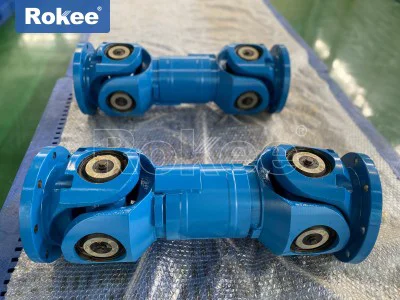
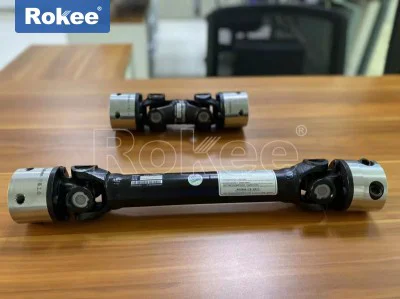
To accurately diagnose the root cause of these symptoms, a systematic approach to inspection is required, combining visual examination, functional testing, and careful observation of the machinery’s operation. Visual inspection should be conducted while the machinery is shut down and disconnected from power to ensure safety. During this inspection, the entire length of the cardan drive shaft should be examined for signs of physical damage, including cracks, bends, or dents in the shaft tube. Special attention should be paid to the universal joint forks, cross shaft, and splined connections, as these are the most vulnerable components. The universal joint forks, which connect the shaft to the driving and driven components, should be checked for looseness, wear, or deformation, as any play in these connections can lead to vibration and noise. The cross shaft, which is the core component of the universal joint, should be inspected for wear on the bearing surfaces, damage to the needle bearings, or the presence of metal particles, which indicate excessive friction. The splined joint, which allows for axial movement of the shaft to accommodate thermal expansion and alignment changes, should be checked for wear on the spline teeth, excessive clearance, or the presence of dirt and debris that can cause binding or accelerated wear. Additionally, the center support bearing—if present in two-piece cardan drive shafts—should be inspected for signs of aging, such as cracked rubber mounts, leaking lubricant, or excessive play, as failure of this bearing can lead to severe vibration and instability.
Functional testing is another crucial step in troubleshooting, as it allows for the observation of the cardan drive shaft’s performance under operating conditions. This testing should be conducted with the machinery running at normal operating speed and load, while carefully monitoring for the symptoms identified earlier. During functional testing, the operator should listen for abnormal noises, feel for excessive vibration, and observe the movement of the cardan drive shaft to check for irregularities. For example, if vibration increases with the speed of the machinery, it may indicate an imbalance in the shaft, which could be caused by the loss of balance weights, deformation of the shaft tube, or uneven distribution of mass. If the vibration is present only during specific operations, such as when the roll forming system is engaged, it may point to misalignment between the cardan drive shaft and the connected components. Abnormal noises during operation can be further localized by using a stethoscope or similar tool to listen to different parts of the shaft, such as the universal joint or splined connection, which can help identify whether the noise is coming from worn bearings, loose components, or metal-to-metal contact. Additionally, checking the power transmission efficiency by monitoring the performance of the connected subsystems—such as the speed of the roll forming rollers or the consistency of the foaming process—can help determine if the cardan drive shaft is transmitting torque effectively.
Once the symptoms have been identified and the initial inspection and testing have been completed, the next step is to address the specific root causes of the faults. One of the most common root causes of cardan drive shaft failure in sandwich panel manufacturing machinery is misalignment between the driving and driven shafts. Misalignment can occur due to a variety of factors, including improper installation, thermal expansion of the machinery during operation, settlement of the equipment over time, or damage to the machinery frame. Angular misalignment, where the axes of the driving and driven shafts intersect at an angle greater than the design limit (typically more than 3 degrees), can cause excessive stress on the universal joint components, leading to premature wear, vibration, and noise. Parallel misalignment, where the axes are offset but parallel, can also cause similar issues, as the cardan drive shaft is forced to compensate for the offset, resulting in increased friction and wear. To correct misalignment, the machinery should be shut down and the alignment of the driving and driven shafts should be checked using laser alignment tools or other precision measuring equipment. Adjustments should be made to the mounting brackets or coupling components to ensure that the axes are aligned within the recommended limits, taking into account thermal expansion by leaving appropriate clearances.
Another common root cause of cardan drive shaft faults is insufficient or improper lubrication. The universal joint bearings, splined connections, and center support bearing all require regular lubrication to reduce friction, prevent wear, and protect against corrosion. In sandwich panel manufacturing machinery, the cardan drive shaft is often exposed to dust, debris, and other contaminants that can contaminate the lubricant, reducing its effectiveness. Additionally, lubricant can degrade over time due to high temperatures and continuous operation, leading to dry friction between moving components. Insufficient lubrication can cause the universal joint bearings to seize, the splined connection to bind, and the center support bearing to wear prematurely, resulting in vibration, noise, and eventual failure. To address lubrication issues, the type of lubricant used should be appropriate for the operating conditions, including temperature, load, and exposure to contaminants. The lubricant should be checked regularly and replaced according to the manufacturer’s recommendations, typically every 6 months or after a specified number of operating hours. Additionally, the seals on the universal joint and splined connection should be inspected and replaced if damaged, to prevent contaminants from entering and contaminating the lubricant.
Wear and tear of components is another inevitable cause of cardan drive shaft faults, especially in machinery that operates continuously for long periods. The universal joint cross shaft and needle bearings are particularly prone to wear, as they are subjected to high levels of torque and friction during operation. Over time, the needle bearings can wear down, leading to increased clearance between the cross shaft and the bearing races, which causes play in the universal joint and results in vibration and noise. The splined connection can also wear over time, as the spline teeth are subjected to repeated axial movement and torque transfer, leading to excessive clearance and potential binding. In severe cases, wear can lead to the failure of the cross shaft or splined components, resulting in a complete breakdown of the cardan drive shaft. To address wear issues, worn components should be replaced promptly with high-quality replacements that match the original specifications. The universal joint assembly, including the cross shaft and needle bearings, should be replaced if there is excessive play or visible wear. The splined shaft and sleeve should also be replaced if the spline teeth are worn or damaged, to ensure a tight, secure connection that allows for smooth axial movement.
Imbalance in the cardan drive shaft is another common issue that can lead to vibration and premature failure. The cardan drive shaft is a precision-balanced component, and any disruption to its balance—such as the loss of balance weights, deformation of the shaft tube, or the accumulation of dirt and debris on the shaft—can cause it to rotate unevenly, resulting in vibration that increases with speed. This vibration not only affects the performance of the cardan drive shaft but can also transfer to other components of the machinery, leading to increased wear and potential failure of other subsystems. To correct imbalance, the cardan drive shaft should be removed and rebalanced using specialized equipment. Any dirt, debris, or foreign objects attached to the shaft should be removed, and any missing balance weights should be replaced. If the shaft tube is deformed, it may need to be straightened or replaced, depending on the severity of the deformation. Additionally, regular cleaning of the cardan drive shaft to remove accumulated dust and debris can help prevent imbalance and maintain its performance.
In addition to addressing specific faults, implementing a proactive maintenance program is essential for preventing cardan drive shaft failures and ensuring the long-term reliability of the sandwich panel manufacturing machinery. A comprehensive maintenance program should include regular inspections, lubrication, and component replacement, as well as monitoring of the shaft’s performance over time. Regular visual inspections should be conducted at least once a week to check for signs of damage, wear, or misalignment. Lubrication should be performed according to a schedule, with the type and amount of lubricant specified for the specific cardan drive shaft model. Additionally, the machinery should be operated within its design limits, avoiding excessive load, speed, or sudden start-stop cycles, which can place unnecessary stress on the cardan drive shaft. Training operators to recognize the symptoms of cardan drive shaft faults and to report any issues promptly can also help prevent minor problems from escalating into major failures. Furthermore, keeping detailed records of maintenance activities, including inspections, lubrication, and component replacements, can help identify patterns of failure and optimize the maintenance schedule.
It is also important to consider the operating environment when troubleshooting and maintaining cardan drive shafts in sandwich panel manufacturing machinery. The machinery is often operated in environments with high levels of dust, debris, and sometimes moisture, which can accelerate wear and corrosion of the cardan drive shaft components. To mitigate these effects, protective covers or shields can be installed around the cardan drive shaft to prevent contaminants from entering the universal joint and splined connections. Additionally, ensuring that the machinery is properly ventilated to reduce heat buildup can help prevent lubricant degradation and thermal expansion-related misalignment. In cases where the machinery is exposed to moisture, corrosion-resistant materials or coatings can be used to protect the cardan drive shaft components, extending their service life.
When troubleshooting more complex faults, such as sudden shaft failure or persistent vibration that cannot be resolved by basic adjustments, it may be necessary to disassemble the cardan drive shaft for a more detailed inspection. Disassembly should be performed by trained personnel using the appropriate tools, to avoid further damage to the components. During disassembly, each component—including the universal joint forks, cross shaft, needle bearings, splined shaft, and center support bearing—should be inspected individually for wear, damage, or deformation. The bearing races should be checked for scratches, pitting, or uneven wear, and the needle bearings should be examined for cracks or damage. The spline teeth should be inspected for wear, chipping, or deformation, and the shaft tube should be checked for straightness and structural integrity. Any damaged components should be replaced, and the entire assembly should be reassembled correctly, ensuring that all connections are tight and aligned properly. After reassembly, the cardan drive shaft should be rebalanced and tested to ensure that it operates smoothly and efficiently.
In conclusion, the cardan drive shaft is a vital component in sandwich panel manufacturing machinery, and effective troubleshooting is essential for maintaining the efficiency and reliability of the production process. By recognizing the common symptoms of faults, conducting systematic inspections and functional tests, and addressing the root causes—such as misalignment, insufficient lubrication, wear, and imbalance—manufacturers can minimize unplanned downtime, reduce maintenance costs, and ensure the production of high-quality sandwich panels. Implementing a proactive maintenance program, considering the operating environment, and training personnel to recognize and report issues promptly are also key to extending the service life of the cardan drive shaft and preventing premature failure. By taking these steps, manufacturers can ensure that their sandwich panel manufacturing machinery operates smoothly and efficiently, meeting production demands and maintaining a competitive edge in the industry. The ability to effectively troubleshoot and maintain cardan drive shafts not only reduces the risk of costly breakdowns but also contributes to the overall safety and productivity of the manufacturing facility, making it a critical aspect of modern sandwich panel production operations.