PU Sandwich Panel Making Machinery With Cardan Drive Shaft Stability Upgrade
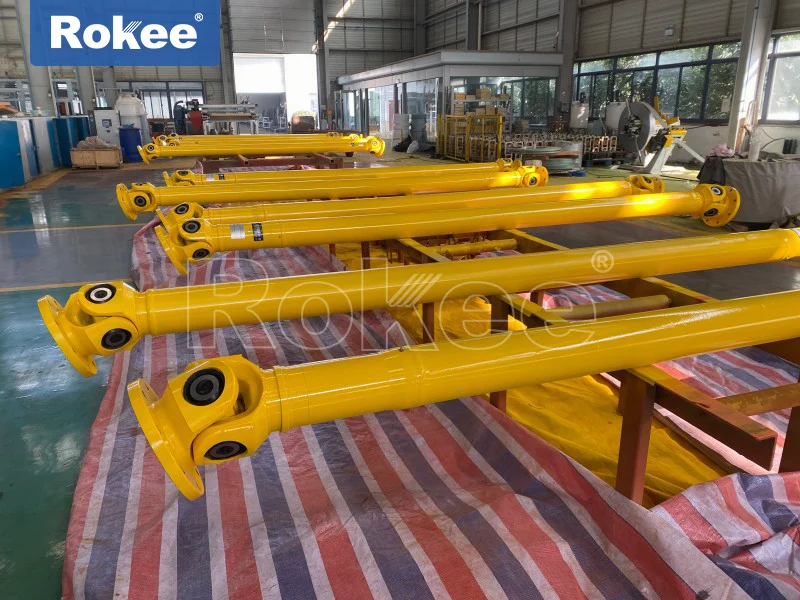
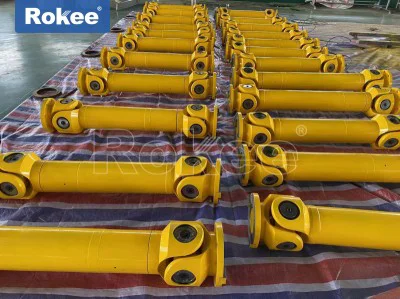
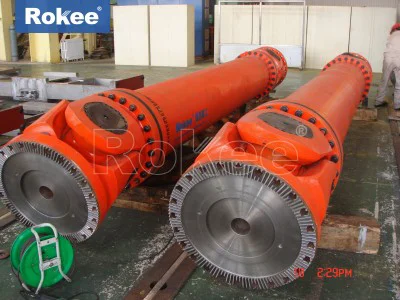
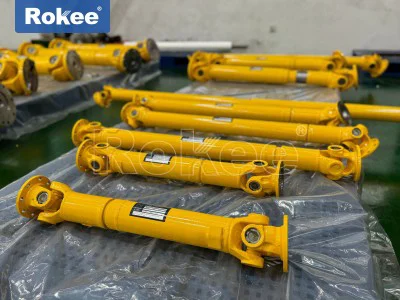
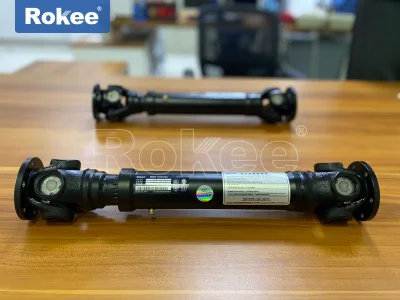
In the modern manufacturing industry, polyurethane (PU) sandwich panels have become indispensable materials in construction, refrigeration, and industrial applications due to their excellent thermal insulation, structural strength, and lightweight properties. The quality and efficiency of PU sandwich panel production are directly determined by the performance of the manufacturing machinery, and among the numerous components that affect the machinery’s operation, the drive shaft system plays a crucial role. The cardan drive shaft, also known as the universal joint shaft, is a core component in the power transmission system of PU sandwich panel making machinery, responsible for transferring rotational force between misaligned mechanical components while ensuring consistent speed and torque. However, in long-term continuous operation, traditional cardan drive shafts often face stability issues such as vibration, wear, and misalignment, which not only affect the quality of the produced PU sandwich panels but also reduce the service life of the machinery, increase maintenance costs, and even lead to unplanned production downtime. To address these challenges, stability upgrades of the cardan drive shaft in PU sandwich panel making machinery have become a key focus for manufacturers seeking to improve production efficiency, product quality, and operational reliability.
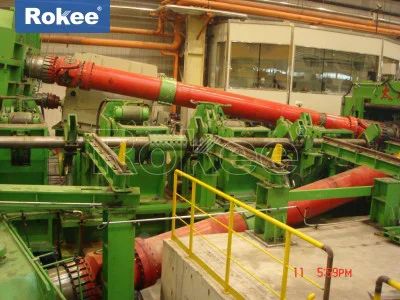
Before delving into the stability upgrade measures of the cardan drive shaft, it is essential to understand the working principle of PU sandwich panel making machinery and the critical role of the cardan drive shaft in the production process. A typical PU sandwich panel making machinery operates as a continuous automated system that integrates multiple sequential processes, including uncoiling of facing materials, roll forming, PU foam mixing and injection, lamination, curing, and cutting. Each of these processes requires coordinated operation, and the power needed to drive each subsystem—such as the uncoiling system, roll forming system, and conveyor system—is transmitted through the drive shaft system. The cardan drive shaft is specifically designed to connect two rigid shafts with inclined axes, enabling power transmission across varying angles while compensating for angular, radial, and axial misalignments that often occur due to the layout limitations of the machinery and thermal expansion during operation. This flexibility makes it an indispensable component in PU sandwich panel making machinery, as it allows for a more versatile machinery layout and ensures that power is transmitted smoothly even when the driving and driven components are not perfectly aligned.
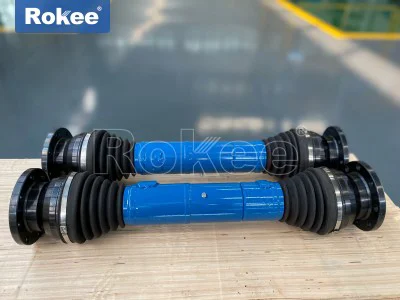
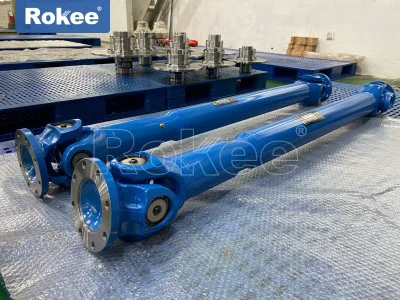
However, the traditional cardan drive shaft has inherent limitations that affect its stability in long-term industrial operation. One of the primary issues is vibration caused by unbalanced rotation. Due to the complex structure of the cardan drive shaft, which includes universal joints at both ends and a splined section for length compensation, any slight deviation in the balance of these components can lead to vibration during high-speed rotation. This vibration is transmitted to the entire machinery, resulting in uneven feeding of facing materials, inconsistent foam injection, and uneven lamination pressure—all of which contribute to defects in the PU sandwich panels, such as uneven thickness, surface waviness, weak adhesion between the foam core and facing materials, and foam overflow or insufficient filling. Additionally, long-term vibration accelerates the wear of bearings, gears, and other mechanical components, reducing the overall service life of the machinery and increasing the frequency of maintenance. Another common stability issue is the wear of the universal joints and splined sections, which occurs due to the high torque and continuous friction during operation. As these components wear, the misalignment compensation capacity of the cardan drive shaft decreases, leading to more severe vibration and even potential shaft failure, which can cause sudden production stoppages and significant economic losses.
The need for stability upgrades of the cardan drive shaft in PU sandwich panel making machinery is further emphasized by the growing demand for high-quality PU sandwich panels in various industries. With the global focus on energy efficiency and sustainable construction, the requirements for the performance of PU sandwich panels—such as thermal insulation efficiency, structural strength, and surface flatness—are becoming increasingly stringent. This, in turn, requires the production machinery to operate with higher stability and precision. A stable cardan drive shaft ensures that each subsystem of the machinery operates in synchronization, maintaining consistent production parameters such as line speed, foam mixing ratio, and lamination pressure. This not only improves the quality of the produced panels but also enhances production efficiency by reducing material waste and minimizing unplanned downtime. Furthermore, stability upgrades can reduce maintenance costs by extending the service life of the cardan drive shaft and other related components, making the machinery more cost-effective in the long run.
To achieve effective stability upgrades of the cardan drive shaft in PU sandwich panel making machinery, a comprehensive approach that addresses the root causes of instability is required. This approach involves optimizing the design of the cardan drive shaft, selecting high-performance materials, improving the manufacturing process, and implementing advanced maintenance and monitoring systems. One of the key upgrade measures is the optimization of the cardan drive shaft’s structural design to enhance its balance and misalignment compensation capacity. Traditional cardan drive shafts often have a simple structure that may not be fully optimized for the specific operating conditions of PU sandwich panel making machinery. By conducting detailed structural analysis and simulation, engineers can redesign the shaft body, universal joints, and splined sections to minimize vibration and improve stability. For example, adopting a balanced shaft body design with precise dynamic balancing technology can significantly reduce vibration caused by unbalanced rotation. Additionally, optimizing the design of the universal joints to increase their angular deflection capacity and reduce friction can improve the shaft’s ability to compensate for misalignments, thereby enhancing overall stability.
The selection of high-quality materials is another critical factor in upgrading the stability of the cardan drive shaft. Traditional cardan drive shafts are often made of ordinary steel, which may not be able to withstand the high torque, continuous friction, and harsh operating conditions of PU sandwich panel making machinery. Upgrading to high-grade materials such as heat-treated alloy steel can significantly improve the shaft’s strength, wear resistance, and fatigue resistance. Heat-treated alloy steel undergoes a specialized heat treatment process that enhances its structural integrity, allowing it to withstand severe stress and maintain stability under continuous operation. Additionally, the use of advanced bearing systems and specialized lubricating mechanisms can reduce friction between moving components, minimizing wear and extending the service life of the cardan drive shaft. For example, using roller or needle bearings with high load-bearing capacity and low friction coefficient can reduce the wear of the universal joints, while implementing a centralized lubrication system ensures that all moving components are properly lubricated, further reducing friction and vibration.
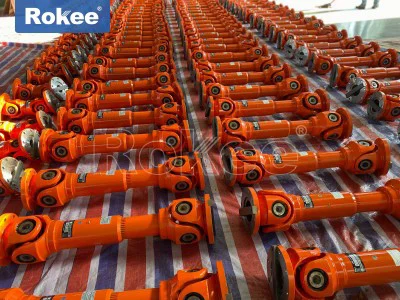
Improving the manufacturing process of the cardan drive shaft is also essential for enhancing its stability. The precision of the manufacturing process directly affects the balance, alignment, and overall performance of the shaft. Upgrading the manufacturing equipment to achieve higher precision machining can ensure that the components of the cardan drive shaft—such as the universal joints, splined sections, and shaft body—are manufactured to strict tolerances. This reduces the likelihood of unbalanced rotation and misalignment, thereby improving the shaft’s stability. Additionally, implementing advanced surface treatment technologies, such as galvanization or specialized protective coatings, can enhance the corrosion resistance and wear resistance of the cardan drive shaft, protecting it from the harsh industrial environment and extending its service life. For example, a protective coating can prevent rust and corrosion caused by exposure to moisture and chemicals in the production environment, ensuring that the shaft maintains its structural integrity over time.
In addition to structural optimization, material upgrades, and manufacturing process improvements, the implementation of advanced maintenance and monitoring systems is also crucial for maintaining the stability of the upgraded cardan drive shaft. Regular maintenance is essential to prevent wear and tear, but traditional maintenance methods often rely on manual inspection, which may not detect potential issues in a timely manner. By installing sensors and monitoring systems on the cardan drive shaft, manufacturers can real-time monitor key parameters such as vibration amplitude, temperature, and torque. These monitoring systems can detect subtle changes in the shaft’s operation, alerting operators to potential issues before they escalate into major failures. For example, if the vibration amplitude exceeds a predefined threshold, the monitoring system can send an alarm, allowing operators to stop the machinery and perform maintenance, thereby preventing unplanned downtime and reducing the risk of shaft failure. Additionally, implementing a predictive maintenance strategy based on the data collected by the monitoring system can help manufacturers schedule maintenance activities more efficiently, reducing maintenance costs and improving the overall reliability of the machinery.
The stability upgrade of the cardan drive shaft in PU sandwich panel making machinery brings numerous benefits to manufacturers, including improved product quality, increased production efficiency, reduced maintenance costs, and extended machinery service life. By reducing vibration and ensuring stable power transmission, the upgraded cardan drive shaft ensures that each subsystem of the machinery operates in synchronization, resulting in PU sandwich panels with consistent thickness, uniform foam density, strong adhesion between the foam core and facing materials, and smooth surfaces. This not only meets the stringent quality requirements of various industries but also reduces material waste caused by product defects. Additionally, the reduced vibration and wear of the cardan drive shaft and other mechanical components extend the service life of the machinery, reducing the need for frequent component replacement and maintenance. This, in turn, reduces maintenance costs and minimizes unplanned production downtime, allowing manufacturers to increase production output and improve overall operational efficiency.
Furthermore, the stability upgrade of the cardan drive shaft contributes to the sustainability of PU sandwich panel production. By reducing material waste and energy consumption, manufacturers can minimize their environmental impact. The improved efficiency of the machinery means that less energy is consumed per unit of production, while the reduced maintenance requirements result in fewer discarded components, reducing industrial waste. Additionally, the longer service life of the machinery reduces the need for new equipment purchases, further reducing the environmental footprint of the manufacturing process. This aligns with the global trend toward sustainable manufacturing and helps manufacturers meet the increasing environmental requirements of various markets.
It is important to note that the stability upgrade of the cardan drive shaft is not a one-time process but requires continuous optimization and improvement. As manufacturing technologies advance and the demand for PU sandwich panels evolves, manufacturers need to continuously evaluate the performance of the upgraded cardan drive shaft and make necessary adjustments to ensure that it meets the changing production requirements. This may involve incorporating new materials, improving the structural design, or upgrading the monitoring and maintenance systems. Additionally, training operators to properly operate and maintain the upgraded machinery is essential to maximize the benefits of the stability upgrade. Operators who are familiar with the new features of the upgraded cardan drive shaft can better monitor its operation, detect potential issues, and perform maintenance tasks more effectively, ensuring that the machinery operates at its optimal level.
In conclusion, the stability upgrade of the cardan drive shaft is a critical investment for manufacturers of PU sandwich panel making machinery. By addressing the inherent stability issues of traditional cardan drive shafts through structural optimization, material upgrades, manufacturing process improvements, and advanced monitoring and maintenance systems, manufacturers can significantly improve the performance of their machinery. The benefits of this upgrade are far-reaching, including improved product quality, increased production efficiency, reduced maintenance costs, extended machinery service life, and enhanced sustainability. As the demand for high-quality PU sandwich panels continues to grow, the stability upgrade of the cardan drive shaft will become increasingly important for manufacturers seeking to remain competitive in the global market. By prioritizing the stability of the cardan drive shaft, manufacturers can ensure that their PU sandwich panel making machinery operates reliably, efficiently, and sustainably, meeting the needs of various industries and contributing to the advancement of the manufacturing sector.