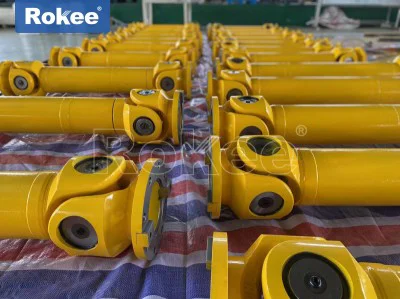
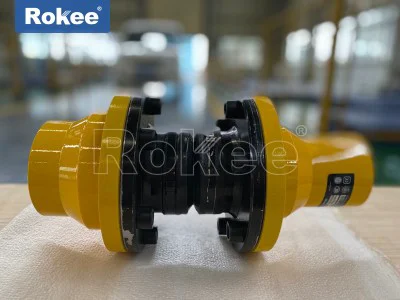
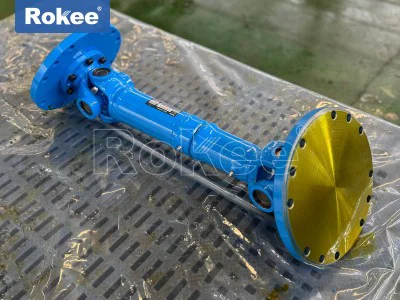
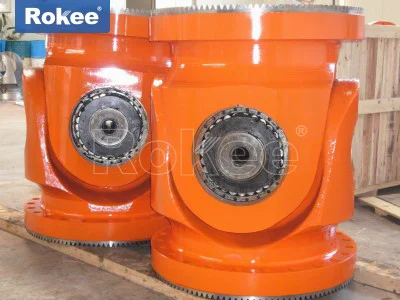
Cardan Shaft for Sale

A cardan shaft, also known as a drive shaft, propeller shaft, or universal shaft, is a critical mechanical component designed to transmit mechanical power, torque, and rotation between different parts of a drivetrain that cannot be directly connected due to distance or the need for relative movement. Named after the 16th-century Italian mathematician Gerolamo Cardano, who contributed to the understanding of gimbals and flexible mechanisms, the cardan shaft has evolved over centuries to become an indispensable part of countless industrial and automotive applications. Its ability to accommodate angular misalignment between connected components while maintaining efficient power transmission makes it a versatile solution for a wide range of machinery and vehicles, from small passenger cars to heavy-duty industrial equipment and even locomotives. When searching for a cardan shaft for sale, it is essential to understand its core functions, key components, applications, and factors that influence its performance, as this knowledge will help you select the right product for your specific needs.
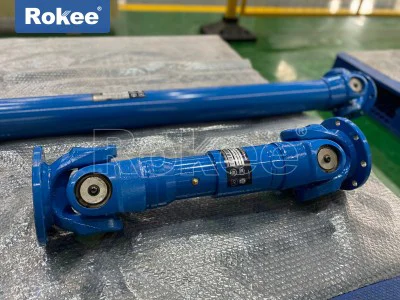
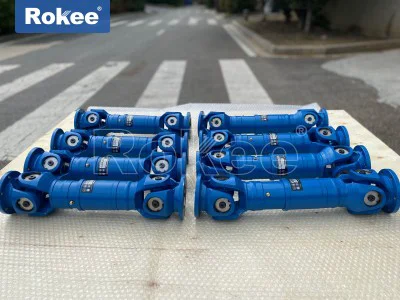
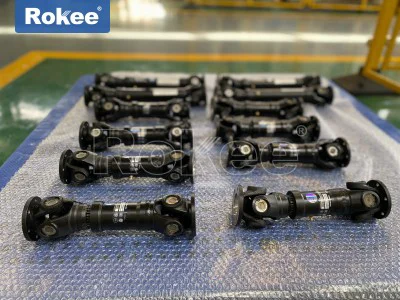
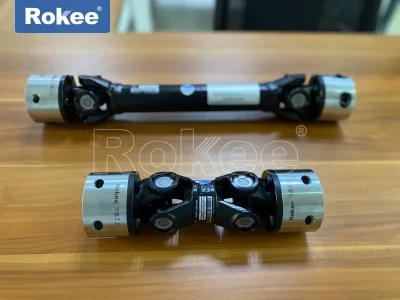
At its core, a cardan shaft operates on the principle of flexible power transmission, using universal joints (also called U-joints) at either end to allow for angular movement between the driving and driven shafts. Unlike rigid couplings that require precise coaxial alignment, the cardan shaft can compensate for axial, radial, and angular deviations, making it ideal for applications where components move or shift during operation—such as in vehicles where the suspension system causes the axles to move relative to the engine, or in industrial machinery where thermal expansion or vibration leads to minor misalignments. The basic structure of a cardan shaft typically includes a central shaft tube, universal joints at both ends, flange yokes to connect to other drivetrain components, a slip yoke to accommodate length changes due to movement or thermal expansion, balancing weights to minimize vibration, and grease fittings for regular maintenance. Each of these components works together to ensure smooth, reliable torque transmission, even under harsh operating conditions.
The central shaft tube is the backbone of the cardan shaft, responsible for transferring torque from one end to the other. It is typically made from high-strength materials to withstand the stresses of continuous rotation and heavy loads. Common materials used for the shaft tube include steel, stainless steel, aluminum, and composite materials, each offering distinct advantages. Steel shafts are known for their durability and high torque-bearing capacity, making them suitable for heavy-duty applications such as industrial machinery and large commercial vehicles. Aluminum shafts, on the other hand, are lighter in weight, which helps reduce overall vehicle or equipment weight, improving fuel efficiency and reducing wear on other drivetrain components. Composite materials, such as carbon fiber-reinforced polymers, are increasingly being used for their combination of light weight and high strength, making them ideal for high-performance applications where both efficiency and durability are critical. The choice of material depends on the specific application requirements, including torque load, operating speed, environmental conditions, and weight constraints.
Universal joints are the key components that enable the cardan shaft to accommodate angular misalignment. A typical universal joint consists of two fork-shaped yokes connected by a cross shaft, with bearings at each end of the cross to allow for smooth rotation. The design of the universal joint allows the shaft to transmit torque at angles ranging from a few degrees up to 45 degrees, depending on the specific type of joint. There are several types of universal joints, including cross-axis (or Hooke’s) joints, ball cage joints, and double cardan joints. Cross-axis joints are the most common type, used in most automotive and industrial applications, thanks to their simplicity, durability, and cost-effectiveness. Ball cage joints, also known as constant-velocity (CV) joints, provide smoother torque transmission at higher angles and are often used in front-wheel-drive vehicles and precision machinery. Double cardan joints, which consist of two universal joints connected by an intermediate shaft, are used to minimize speed fluctuations and vibration in applications where larger angular misalignments are required, such as in heavy-duty trucks and industrial equipment.
The slip yoke is another essential component of the cardan shaft, designed to accommodate changes in length between the connected components. As machinery or vehicles operate, factors such as thermal expansion, suspension movement, or load shifts can cause the distance between the engine/transmission and the axles to change. The slip yoke, which fits into a splined sleeve, allows the cardan shaft to extend or contract slightly, preventing binding or damage to the drivetrain. This flexibility is crucial for maintaining reliable performance, especially in applications with frequent movement or temperature variations. Flange yokes, meanwhile, are used to connect the cardan shaft to other components, such as the transmission, differential, or gearbox. They are typically bolted to the respective components, ensuring a secure connection that can withstand the torque and vibration generated during operation.
Balancing is a critical aspect of cardan shaft design, as any imbalance can lead to excessive vibration, premature wear, and even component failure. During manufacturing, cardan shafts are carefully balanced using specialized equipment to ensure that their center of mass aligns with their axis of rotation. This is achieved by adding small balancing weights to the shaft tube, which counteract any uneven weight distribution. Imbalance can occur due to manufacturing tolerances, wear and tear, or damage to the shaft, so regular inspection and rebalancing are important for maintaining optimal performance. Excessive vibration is not only annoying but can also cause damage to other drivetrain components, such as bearings, gears, and seals, leading to costly repairs and unplanned downtime.
Cardan shafts are used in a wide range of applications, spanning automotive, industrial, agricultural, and marine sectors. In the automotive industry, they are most commonly found in rear-wheel-drive and four-wheel-drive vehicles, where they transmit power from the transmission to the rear axles. They are also used in commercial vehicles, such as trucks, buses, and trailers, where they handle high torque loads and accommodate the movement of the suspension system. In industrial settings, cardan shafts are used in machinery such as pumps, compressors, conveyors, crushers, and rolling mills, where they transmit power between different components that are not perfectly aligned. They are also used in diesel locomotives, electric locomotives, and diesel multiple units, as well as in marine applications, where they connect the engine to the propeller (known as the tail shaft in marine terminology).
The agricultural sector also relies heavily on cardan shafts, particularly in farm machinery such as tractors, harvesters, and cultivators. These machines often have multiple components that need to be connected at varying angles, and the cardan shaft’s ability to transmit power while accommodating misalignment makes it ideal for these applications. For example, a tractor’s PTO (power take-off) shaft is a type of cardan shaft that transmits power from the tractor’s engine to attached implements, such as mowers, plows, and balers. In marine applications, cardan shafts are used to transmit power from the engine to the propeller, with materials selected based on the type of ship and operating conditions—stainless steel and composite materials are often used for their corrosion resistance in saltwater environments.
When looking for a cardan shaft for sale, there are several key factors to consider to ensure that you select the right product for your application. First and foremost, you need to determine the torque requirements of your machinery or vehicle. The cardan shaft must be capable of handling the maximum torque generated by the engine or motor, with a safety margin to account for sudden torque spikes or overloads. It is recommended to select a cardan shaft with a torque capacity that is 1.2 to 1.5 times the maximum operating torque to prevent premature failure. Another important factor is the operating speed, as higher speeds require more precise balancing and higher-quality materials to withstand the centrifugal forces generated.
Angular misalignment is another critical consideration. You need to determine the maximum angle at which the cardan shaft will operate, as this will influence the type of universal joint and shaft design required. Most standard cardan shafts can accommodate angles up to 3 to 5 degrees, but for applications with larger misalignments, double cardan joints or specialized designs may be necessary. The length of the cardan shaft is also important, as it must fit within the available space while allowing for the required movement and length changes. Longer shafts may require a center support bearing to prevent bending and vibration, which can extend the life of the shaft and other components.
Environmental conditions also play a role in selecting the right cardan shaft. If the shaft will be used in harsh environments, such as high temperatures, humidity, dust, or corrosive substances, you need to choose materials and seals that can withstand these conditions. For example, in marine or coastal applications, corrosion-resistant materials like stainless steel or composite materials are recommended, along with sealed universal joints to prevent water and salt from entering the bearings. In dusty or dirty environments, protective covers or boots can be used to keep contaminants out of the universal joints and splines, reducing wear and extending the shaft’s lifespan.
Maintenance requirements are another important factor to consider when purchasing a cardan shaft. Regular maintenance is essential for ensuring the longevity and reliability of the shaft, and different designs may have different maintenance needs. For example, cardan shafts with grease fittings require regular lubrication to keep the universal joints and splines functioning smoothly. The frequency of lubrication depends on the operating conditions—heavy-duty applications or harsh environments may require more frequent lubrication, typically every 200 to 500 hours of operation. It is important to use the correct type of lubricant, such as high-temperature, anti-wear grease, to ensure optimal performance. Additionally, regular inspections should be performed to check for signs of wear, damage, or imbalance, such as excessive vibration, unusual noises, or visible cracks in the shaft tube or universal joints.
One common misconception about cardan shafts is that they are all the same, but in reality, there are many different types and configurations available to suit specific applications. For example, one-piece cardan shafts are used for shorter distances and lower torque loads, while two-piece shafts are used for longer distances, as they are more rigid and less prone to bending. Slip-in-tube cardan shafts, also known as collapsible shafts, are a newer type designed to improve crash safety in vehicles—they can compress to absorb energy in the event of a crash, reducing the risk of injury or damage. Other types include telescopic cardan shafts, which can extend or contract significantly to accommodate large changes in length, and hollow cardan shafts, which are lighter in weight while still maintaining high strength.
The global market for cardan shafts is growing steadily, driven by increasing demand in the automotive, industrial, and agricultural sectors. As industries continue to expand and modernize, the need for efficient, reliable power transmission components like cardan shafts is only expected to increase. Advancements in materials and manufacturing technologies are also leading to the development of more durable, efficient, and lightweight cardan shafts, which offer improved performance and longer lifespans. For example, the use of composite materials has increased production efficiency by 25% compared to conventional materials, while also reducing weight and improving fuel efficiency in vehicles. Additionally, the integration of smart sensors for vibration monitoring is becoming more common in premium commercial vehicles, allowing for early detection of potential issues and reducing maintenance downtime.
When purchasing a cardan shaft for sale, it is important to source from a reputable supplier that offers high-quality products. While cost is always a consideration, it is important to avoid compromising on quality, as a low-quality cardan shaft can lead to frequent breakdowns, costly repairs, and even safety risks. A high-quality cardan shaft will be manufactured to strict tolerances, using high-grade materials and advanced manufacturing techniques, ensuring reliable performance and long service life. Additionally, reputable suppliers will provide technical support and guidance, helping you select the right cardan shaft for your specific application and providing advice on installation, maintenance, and troubleshooting.
Proper installation is crucial for the performance and longevity of a cardan shaft. During installation, it is important to ensure that the shaft is correctly aligned, with the universal joints properly phased to minimize vibration. The flange connections should be bolted securely, using the correct torque specifications to prevent loosening during operation. It is also important to check the slip yoke for proper movement, ensuring that it can extend and contract freely without binding. If the cardan shaft is not installed correctly, it can lead to excessive vibration, premature wear, and even component failure. In some cases, professional installation may be recommended, especially for complex applications or heavy-duty equipment.
Troubleshooting common issues with cardan shafts can help prevent major failures and extend their lifespan. Some of the most common issues include abnormal vibration, noise, and wear. Abnormal vibration is often caused by imbalance, misalignment, or worn universal joints. If you notice excessive vibration, it is important to inspect the shaft for damage, check the balancing weights, and ensure that the shaft is properly aligned. Noise, such as clicking or grinding sounds, is often a sign of worn bearings in the universal joints or worn splines. In this case, the affected components should be replaced promptly to prevent further damage. Wear on the shaft tube or universal joints can be caused by lack of lubrication, contamination, or overloading, so regular maintenance and inspections are key to identifying and addressing these issues early.
In conclusion, a cardan shaft is a vital component in many mechanical systems, providing flexible and reliable power transmission between misaligned components. When searching for a cardan shaft for sale, it is essential to consider factors such as torque capacity, operating speed, angular misalignment, length, environmental conditions, and maintenance requirements to select the right product for your application. By choosing a high-quality cardan shaft and following proper installation and maintenance practices, you can ensure optimal performance, reduce downtime, and extend the lifespan of your machinery or vehicle. Whether you need a cardan shaft for a small passenger car, a heavy-duty truck, industrial machinery, or agricultural equipment, there is a wide range of options available to meet your specific needs, ensuring that your drivetrain operates smoothly and efficiently for years to come.