Research And Application Of Adaptability Between Universal Coupling And Sandwich Panel Line
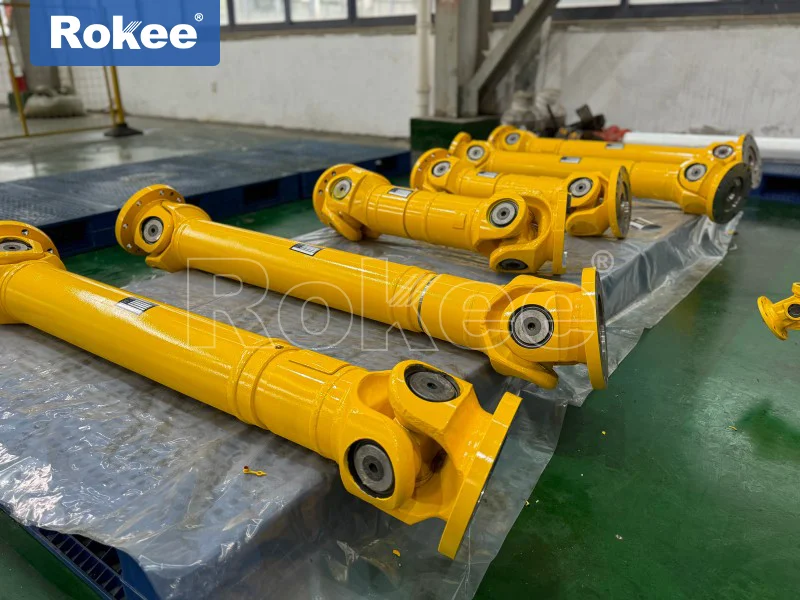
In the modern prefabricated building and thermal insulation material manufacturing industry, sandwich panel production lines have evolved into highly integrated and continuous automated production systems, undertaking the core processing tasks of combining metal surface materials, thermal insulation core materials and functional auxiliary layers into integrated building panels. The stable and efficient operation of the entire production line depends on the reliable power transmission connection between various mechanical functional units, and universal couplings, as key flexible transmission components connecting driving parts and driven execution parts, play an irreplaceable basic role in coordinating the synchronous operation of each link of the production line. The adaptability matching degree between universal couplings and sandwich panel production lines directly determines the overall operating stability of the production equipment, the continuity of panel forming processing, the service life of mechanical components and the comprehensive production efficiency of the entire line. In the actual production and operation process, the sandwich panel production line will face complex and variable working condition changes for a long time, including frequent start-stop adjustment of production speed, switching production of different specifications and types of sandwich panels, slight vibration and displacement generated by long-term mechanical operation, and angular and axial misalignment between transmission shafts caused by equipment installation deviation and later operational wear. These objective working condition characteristics put forward higher requirements for the flexible compensation performance, torque transmission stability and dynamic operation adaptability of universal couplings. Only by deeply studying the internal correlation mechanism between the structural performance parameters of universal couplings and the operating load characteristics, transmission matching requirements and dynamic working condition changes of sandwich panel production lines, can we realize the scientific type selection, reasonable installation and standardized application of universal couplings, effectively avoid common mechanical failures such as transmission jitter, shaft body abrasion, component fatigue damage and production line shutdown interruption caused by poor adaptability matching, and provide solid mechanical transmission guarantee for the long-term stable and high-efficiency operation of sandwich panel production lines.
Sandwich panel production lines are typical continuous automated production equipment integrating feeding, leveling, forming, filling, pressing, cutting and discharging processes, and each production link is connected by an independent transmission system to realize synchronous coordinated operation. The whole production line covers multiple functional modules such as raw material uncoiling and conveying unit, surface plate leveling and rib processing unit, core material automatic filling and laying unit, composite hot pressing forming unit, fixed-length cutting and finishing unit and finished product conveying and stacking unit. Each functional module has different power transmission demands and load operation characteristics in the production process. The raw material uncoiling and conveying unit needs stable low-speed and high-torque power output to ensure the orderly release and uniform conveying of coiled metal plates and non-metal auxiliary materials, and the transmission process needs to adapt to the slight axial displacement generated by the rotation of the coiled material and the angular deviation between the driving shaft and the driven shaft caused by the weight change of the coiled material. The surface plate leveling and rib processing unit belongs to the high-precision transmission link, which requires the transmission component to maintain constant speed ratio transmission accuracy while bearing cyclic alternating load, so as to ensure the consistent processing size of the plate surface and avoid plate processing deformation caused by transmission speed fluctuation. The composite hot pressing forming unit is the core load-bearing and high-load transmission link of the production line, which needs to bear large continuous working torque and adapt to the slight vibration and axial telescopic displacement generated by thermal expansion and cold contraction of mechanical parts in the high-temperature pressing environment. The fixed-length cutting and finished product conveying unit needs frequent start and stop and speed regulation adjustment according to production scheduling, requiring transmission components to have good impact resistance and dynamic response adaptability, and can quickly adapt to instantaneous load changes without transmission lag or jitter. As the core connecting component between the driving motor, reducer and each execution transmission shaft of the above functional units, the universal coupling undertakes the important task of transmitting rotational torque and power while compensating for various misalignment displacements generated in the operation of the production line. Its structural design, material performance and transmission compensation characteristics must be highly matched with the differentiated load and working condition requirements of each link of the sandwich panel production line, otherwise it will directly affect the synchronization accuracy of each production process and the overall operation reliability of the equipment.
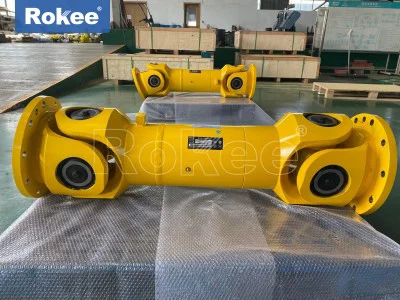
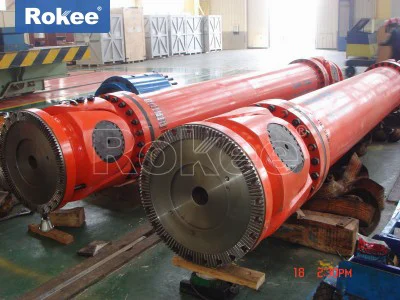
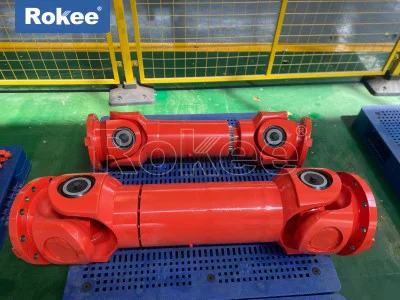
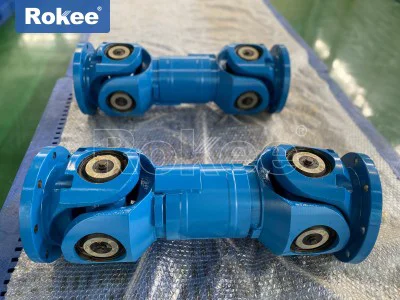
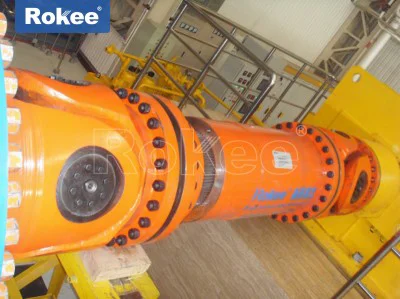
The basic structural working principle of universal couplings lays a solid foundation for their wide application in various industrial transmission occasions with misalignment compensation demands. Relying on the cross bearing hinge structure and flange connection structure at both ends, universal couplings can realize effective torque and power transmission between two transmission shafts with angular misalignment, axial displacement and radial deviation, and can maintain stable transmission efficiency and constant speed transmission effect within a certain range of displacement compensation. Compared with rigid connection components, universal couplings have outstanding flexible compensation advantages, which can effectively buffer the vibration and impact generated in the process of equipment start-stop, load switching and speed regulation operation, reduce the rigid friction and mechanical wear between transmission shafts, and protect the driving power components and driven execution equipment from fatigue damage caused by rigid force transmission. In the actual industrial transmission application scenario, the core adaptability advantages of universal couplings are mainly reflected in three key dimensions: angular deviation compensation capacity, axial displacement adaptation range and cyclic alternating load resistance. The angular deviation compensation capacity enables the universal coupling to still maintain stable torque transmission when the installation position of the production line transmission shaft has inevitable deviation or the shaft body generates angular offset due to long-term operation and foundation settlement, avoiding transmission stuck and local stress concentration of components. The axial displacement adaptation range can well cope with the axial telescopic change of the transmission shaft caused by thermal expansion and cold contraction of mechanical parts in the continuous operation of the sandwich panel production line and the position deviation generated by equipment vibration, ensuring the tight connection of the transmission structure without separation and failure. The cyclic alternating load resistance enables the universal coupling to adapt to the frequent load changes and intermittent start-stop operation characteristics of the sandwich panel production line in the switching production of different specification panels, maintaining stable structural performance and long service life under long-term cyclic working conditions. For the sandwich panel production line, which has both high-load continuous operation and frequent dynamic adjustment working conditions, these core performance characteristics of universal couplings are exactly the key mechanical conditions to ensure the continuous and stable operation of the production line, and the matching degree between the performance parameters of the coupling and the actual operating parameters of the production line becomes the core research focus of adaptability application.
The adaptability matching between universal couplings and sandwich panel line is affected by multiple interrelated factors, covering three core dimensions: equipment operation working condition parameters, coupling structural performance parameters and production line process operation characteristics, and any mismatch in any dimension will lead to the decline of overall adaptability and even mechanical operation failure. In terms of equipment operation working condition parameters, the main influencing factors include the rated operating torque of each transmission link of the production line, actual operating speed range, start-stop frequency, long-term operating temperature and vibration intensity. Different functional units of the sandwich panel production line have obvious differences in these working condition parameters. The hot pressing forming unit has large rated operating torque and high continuous load, low start-stop frequency but high long-term operating temperature; the cutting and finished product conveying unit has small operating torque, wide speed regulation range and frequent start-stop and impact load. If the torque bearing capacity of the selected universal coupling is lower than the actual operating torque demand of the production line link, the coupling will be prone to structural deformation, bearing wear and even fracture failure in long-term operation; if the coupling speed adaptation range cannot match the production line speed regulation demand, it will cause transmission speed fluctuation, affect the panel processing accuracy, and lead to unstable product quality. In terms of coupling structural performance parameters, the key influencing factors include angular compensation range, axial displacement compensation limit, structural rigidity and material fatigue resistance. The excessive pursuit of high rigidity of the coupling will reduce its flexible buffering performance, unable to adapt to the vibration and impact load of the production line; the excessive compensation range design will reduce the structural stability of the coupling itself, easy to produce dynamic jitter in high-speed operation, and affect the synchronous transmission accuracy of the production line. In terms of production line process operation characteristics, the switching frequency of different types of sandwich panels, raw material type replacement and production line daily operation and maintenance cycle will also affect the actual adaptability of universal couplings. Frequent switching of panel specifications will lead to frequent load changes of the production line transmission system, requiring the coupling to have good dynamic load adaptation performance; different raw material densities and processing thicknesses will cause different operating loads of the production line, putting forward different requirements for the torque transmission stability of the coupling. Only by comprehensively considering the above multiple influencing factors and carrying out targeted adaptability matching design and selection according to the actual operation situation of different links of the production line, can the universal coupling give full play to its flexible transmission advantages and meet the long-term operation demands of the sandwich panel production line.
In the practical engineering application of sandwich panel production lines, the mismatch of adaptability between universal couplings and production lines often leads to many typical mechanical operation problems, which seriously affect production efficiency and product processing quality, and also increase equipment operation and maintenance costs. In the case of insufficient angular and axial displacement compensation capacity of the selected universal coupling, the transmission shaft of the production line cannot effectively offset the installation deviation and operational displacement, resulting in obvious rigid friction between the coupling and the shaft body, rapid wear of the cross bearing and hinge structure of the coupling, and periodic jitter and noise in the transmission process. This kind of jitter will be transmitted to the plate processing link, resulting in uneven pressing of sandwich panels, inconsistent cutting size and deviation of composite bonding accuracy, leading to an increase in product defective rate. When the structural rigidity and fatigue resistance of the universal coupling do not match the cyclic alternating load of the production line, the coupling will be prone to fatigue cracks and structural loosening after a period of operation, resulting in unstable torque transmission, frequent shutdown and maintenance of the production line, and interrupting the continuous production rhythm. In addition, in the high-temperature working environment of the hot pressing forming link of the sandwich panel production line, if the high-temperature resistance and thermal stability of the universal coupling material are insufficient, the structural size of the coupling will change due to thermal expansion and cold contraction, resulting in reduced transmission matching accuracy, increased component wear, and shortened overall service life. In the actual production site, many production enterprises often only pay attention to the basic connection function of universal couplings in the equipment configuration process, and ignore the targeted adaptability matching research according to the differentiated working conditions of each link of the production line. The unified model selection and installation method leads to the coupling cannot adapt to the actual operation demands of different production links, resulting in frequent mechanical failures, increased maintenance workload, and restricted the continuous production capacity and economic benefits of the sandwich panel production line. These practical application problems fully reflect the important practical significance of carrying out in-depth research on the adaptability between universal couplings and sandwich panel production lines, and also provide a practical optimization direction for the subsequent adaptability improvement and application optimization.
On the basis of clarifying the adaptability influencing factors and practical application problems, targeted adaptability optimization measures and scientific application strategies can be formulated from the three links of model selection matching, installation debugging and daily operation maintenance, so as to realize the optimal matching and stable coordination between universal couplings and sandwich panel production lines. In the model selection and matching stage, it is necessary to first conduct detailed statistical analysis on the actual operating parameters of each functional transmission link of the sandwich panel production line, including accurate data such as actual operating torque, speed regulation range, start-stop frequency, operating temperature and vibration amplitude of each link, and classify and divide the load types of different links, such as continuous high-load type, frequent impact load type and low-speed stable transmission type. According to the classified load characteristics and working condition parameters, select the universal coupling with matching torque bearing capacity, compensation range and structural rigidity, avoid blind selection of universal couplings with excessive or insufficient performance parameters, and ensure that the coupling performance can exactly meet the actual transmission demands of the production line link. For the high-load hot pressing forming link, select universal couplings with high structural rigidity, large torque bearing capacity and good high-temperature stability; for the frequent start-stop cutting and conveying link, select couplings with good flexible buffering performance and fatigue resistance; for the raw material conveying link with small displacement deviation, select economical and practical standard couplings to realize differentiated and precise matching. In the installation and debugging stage, standardize the installation operation process of universal couplings, strictly control the installation coaxiality and angular deviation of the transmission shaft, minimize the initial installation misalignment error within the allowable compensation range of the coupling, and conduct no-load test run and load debugging after installation. Through dynamic debugging, check the transmission stability and vibration state of the coupling, fine-tune the installation position of the transmission shaft and the connection tightness of the coupling flange, ensure that the coupling can give full play to the flexible compensation effect in the actual operation process, and avoid additional stress and wear caused by excessive installation deviation. In the daily operation and maintenance stage, formulate a regular inspection and maintenance system suitable for the operating characteristics of sandwich panel production lines, regularly check the wear degree of the cross bearing and hinge structure of universal couplings, the tightness of flange connection parts and the lubrication state of moving parts, timely replace the worn and aging coupling components, and supplement lubricating oil to ensure the flexible rotation and stable transmission of the coupling. At the same time, according to the production scheduling and panel switching frequency of the production line, regularly adjust the working state of the transmission system, avoid long-term overload operation of the coupling, and reduce the fatigue loss of components caused by long-term cyclic load.
With the continuous upgrading of prefabricated building industrialization and the continuous improvement of the automation and intelligence level of sandwich panel production lines, the production line is developing towards higher operating speed, more diversified product specifications and longer continuous operation time, which puts forward higher and more comprehensive requirements for the adaptability and comprehensive performance of supporting universal couplings. In the future research and engineering application, the adaptability research between universal couplings and sandwich panel production lines needs to further combine dynamic simulation technology and industrial operation big data, carry out in-depth research on the dynamic transmission characteristics and fatigue failure law of couplings under complex variable working conditions, realize the digital and intelligent precise matching of coupling performance parameters and production line working condition parameters, and further improve the operation stability and service life of transmission components. At the same time, with the continuous innovation of mechanical material technology and coupling structural design, new high-performance universal couplings with stronger environmental adaptability, better dynamic buffering performance and longer service life will be continuously applied to sandwich panel production lines, further optimizing the overall mechanical transmission performance of the production line, reducing equipment operation and maintenance costs, and promoting the efficient, stable and low-consumption sustainable development of the sandwich panel manufacturing industry. The adaptability matching and scientific application of universal couplings are not only an important basic link to ensure the stable operation of sandwich panel production lines, but also an important part of improving the overall production efficiency and product quality level of prefabricated building material manufacturing enterprises, which has important practical application value and long-term industrial development significance.