Loader Cardan Shaft
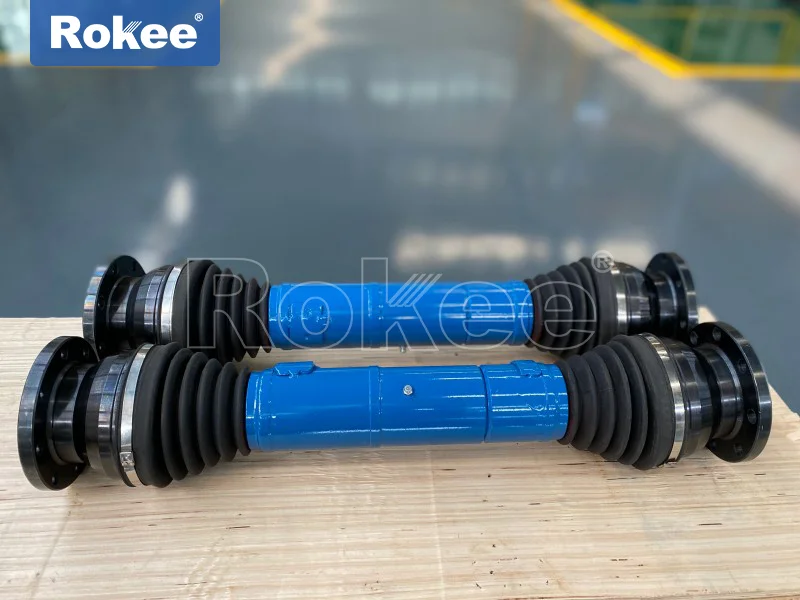
A loader cardan shaft, also widely recognized as a universal drive shaft, serves as a critical mechanical component in the power transmission system of loaders, which are essential machines in various industrial and construction fields. Its primary function is to transfer rotational torque and motion between two shafts that are not perfectly aligned, accommodating angular, axial, and radial misalignments that frequently occur during loader operation. Unlike rigid drive shafts that require precise coaxial alignment and fail to adapt to positional changes, the loader cardan shaft integrates flexible structural design, high-strength materials, and precise machining to ensure reliable power transmission under the harsh and dynamic operating conditions that loaders typically encounter.
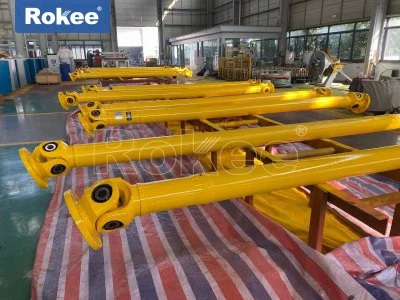
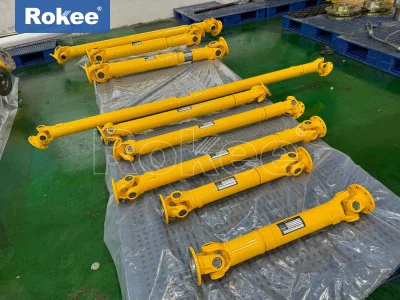
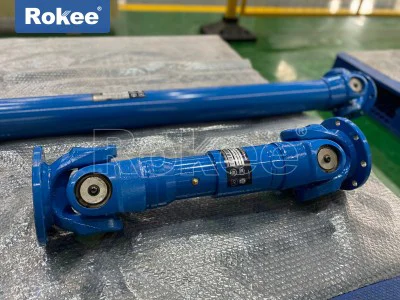
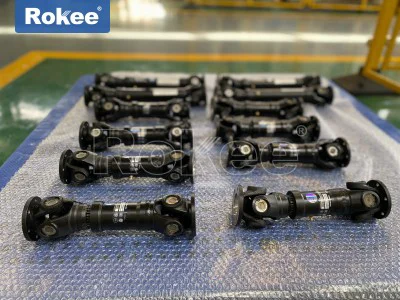
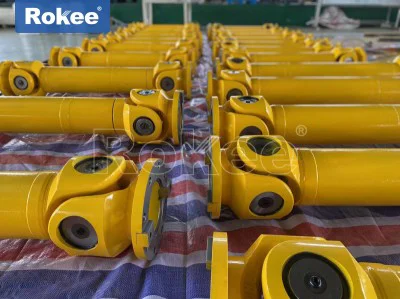
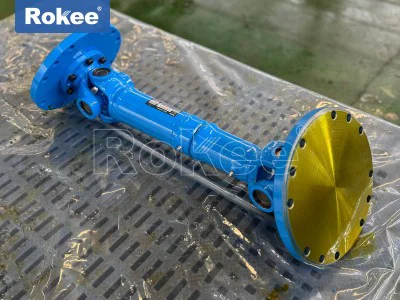
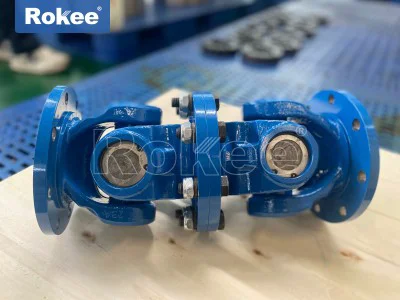
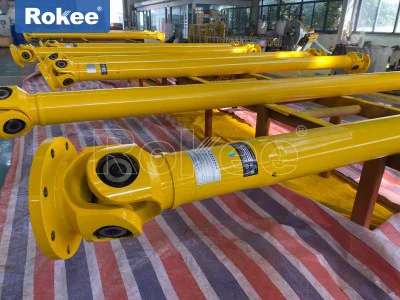
The structure of a loader cardan shaft is meticulously engineered to balance flexibility, load-bearing capacity, and transmission efficiency, with each component working in harmony to withstand mechanical stress, friction, and environmental wear. At its core, the basic structure consists of several key interconnected parts: universal joint assemblies, a central drive shaft (often telescopic for length adjustment), fork heads, cross shafts, bearing components, and fastening hardware. The universal joint, regarded as the heart of the cardan shaft, is most commonly designed as a cross-type joint in standard high-performance loader applications, featuring a rigid cross-shaped pivot (known as a spider) that connects two perpendicular fork heads attached to the input and output shafts. Each end of the cross shaft is fitted with precision bearings—usually needle roller bearings or high-strength sliding bearings—that facilitate smooth rotational movement and reduce frictional resistance even under heavy loads and continuous operation. These bearings are enclosed in sealed cavities to prevent contamination from dust, moisture, debris, and other harsh environmental elements, which is crucial for maintaining performance in the dusty, muddy, or wet conditions where loaders often operate.
The central drive shaft, which serves as the main channel for torque transmission, is typically constructed from high-grade alloy steel or carbon steelsubjected to specialized heat treatment to enhance its strength, toughness, and wear resistance. Heat treatment processes such as quenching and tempering are applied to improve the material’s mechanical properties, allowing the shaft to withstand high levels of torsion and shear stress generated during loader operation. In many loader applications, the central shaft features a telescopic design, achieved through spline or sliding sleeve connections, which allows for axial length compensation. This telescopic function is essential for addressing installation tolerances, thermal expansion and contraction that occur during continuous operation, and the dynamic movement of loader components such as the suspension and boom. The fork heads, which connect the universal joints to the central shaft and the loader’s drivetrain components, are often reinforced with integrated or welded construction to eliminate weak points that could fail under dynamic stress. Precision-machined mating surfaces on the fork heads ensure tight, stable connections with adjacent components, minimizing vibration and ensuring efficient torque transfer.
Additional structural optimizations are often incorporated to enhance the performance and durability of loader cardan shafts. Dynamic balancing is a key process applied to the central shaft and universal joint assemblies to minimize centrifugal vibration at high rotational speeds, which not only improves transmission efficiency but also reduces wear on bearings and other components. Some designs include reinforced seals and protective covers to further shield the internal components from environmental damage, while streamlined profiles may be used to reduce wind resistance in high-speed applications. The overall structural design is tailored to the specific requirements of loader operation, where the shaft must accommodate angular misalignments ranging from a few degrees to more than 15 degrees, depending on the loader type and application, while maintaining consistent torque transmission.
The performance of a loader cardan shaft is defined by a set of key characteristics that determine its ability to function reliably under the demanding conditions of loader operation. Torque transmission efficiency is one of the most critical performance metrics, as it directly affects the overall efficiency of the loader. A high-quality loader cardan shaft is designed to minimize energy loss during torque transfer, ensuring that the majority of the power generated by the loader’s engine is transmitted to the drivetrain components. This efficiency is achieved through precise machining of components, high-quality bearings that reduce frictional resistance, and a structural design that minimizes backlash and vibration.
Load-bearing capacity is another essential performance characteristic, as loaders are often required to handle heavy loads and operate under high-stress conditions. The loader cardan shaft must be able to withstand both static and dynamic loads, including the torque generated by the engine, the weight of the loader and its payload, and the impact forces encountered during digging, lifting, and transporting materials. The use of high-strength materials and reinforced structural components ensures that the shaft can handle these loads without deformation or failure. The load capacity of loader cardan shafts varies depending on their size, material, and design, but even standard models can typically handle nominal torques ranging from tens of kilonewton-meters to several hundred kilonewton-meters, with peak torque capacities significantly higher to accommodate shock loads.
Flexibility and misalignment compensation are defining performance features of loader cardan shafts. Unlike rigid shafts, which can only operate with perfect alignment, cardan shafts can accommodate angular, axial, and radial misalignments between the input and output shafts. This flexibility is crucial in loader applications, where the relative position of drivetrain components changes during operation—for example, when the loader’s boom is raised or lowered, or when the suspension moves over uneven terrain. The universal joints allow the shaft to flex and rotate at an angle, ensuring that torque transmission remains consistent even as the alignment between shafts changes. The telescopic design further enhances flexibility by allowing the shaft to adjust its length, compensating for axial movement and installation errors.
Durability and wear resistance are also key performance considerations, given the harsh operating environments of loaders. Loader cardan shafts are exposed to dust, dirt, moisture, extreme temperatures, and repeated mechanical stress, which can lead to wear, corrosion, and component failure over time. To address these challenges, the shafts are constructed from corrosion-resistant materials, and critical components such as bearings and cross shafts are treated with protective coatings to prevent rust and wear. Sealed bearing cavities prevent the ingress of contaminants, extending the service life of the bearings and reducing maintenance requirements. Additionally, the structural design minimizes stress concentrations, reducing the risk of fatigue failure even after long periods of continuous operation.
Vibration and noise reduction are also important performance factors, as excessive vibration can affect the comfort of the operator, damage other loader components, and reduce overall efficiency. Through dynamic balancing, precision machining, and the use of high-quality bearings, loader cardan shafts are designed to operate with minimal vibration and noise. This not only improves the operator experience but also reduces wear on the loader’s drivetrain, engine, and other components, extending the overall service life of the machine.
Loader cardan shafts are available in a variety of types, each designed to meet the specific requirements of different loader models and applications. The classification of these shafts is typically based on their structural design, length, torque capacity, and the type of universal joints used. One common classification is based on the number of universal joints, resulting in single-joint and double-joint cardan shafts. Single-joint cardan shafts feature a single universal joint assembly and are primarily used in applications where the misalignment between shafts is minimal. These shafts are simple in design, lightweight, and cost-effective, making them suitable for light-duty loaders or applications where the operating conditions are relatively mild. However, they may not be ideal for high-torque applications or situations where significant misalignment occurs, as they can introduce angular velocity fluctuations that may affect performance.
Double-joint cardan shafts, also known as double universal joint shafts, feature two universal joint assemblies connected by an intermediate shaft. This design effectively reduces angular velocity fluctuations, ensuring more consistent torque transmission even when the misalignment between the input and output shafts is significant. Double-joint cardan shafts are commonly used in heavy-duty loaders, where high torque and large misalignments are common. The intermediate shaft helps to balance the rotational motion, reducing vibration and wear, and making these shafts suitable for demanding applications such as mining, construction, and heavy material handling.
Another common classification is based on the presence of a telescopic mechanism, resulting in telescopic and non-telescopic cardan shafts. Telescopic cardan shafts feature an adjustable length, allowing for axial movement and length compensation. This design is particularly useful in loaders where the distance between the input and output shafts changes during operation, such as when the loader’s boom is raised or lowered, or when the suspension moves. The telescopic function is typically achieved through a splined connection between two shaft segments, which allows the shaft to extend or contract while maintaining torque transmission. Telescopic cardan shafts are widely used in most modern loaders, as they provide the flexibility needed to accommodate dynamic changes in the loader’s drivetrain.
Non-telescopic cardan shafts, on the other hand, have a fixed length and do not include a telescopic mechanism. These shafts are used in applications where the distance between the input and output shafts is fixed and no axial movement is required. They are simpler in design and more rigid than telescopic shafts, making them suitable for light-duty loaders or applications where the operating conditions are stable and no dynamic length changes are needed.
Loader cardan shafts can also be classified based on their torque capacity, with light-duty, medium-duty, and heavy-duty models available. Light-duty cardan shafts are designed for small loaders used in light construction, landscaping, or agricultural applications, where the torque requirements are relatively low. Medium-duty shafts are suitable for mid-sized loaders used in general construction, while heavy-duty shafts are engineered to handle the high torque and heavy loads encountered in mining, quarrying, and large-scale construction projects. Heavy-duty cardan shafts are typically constructed from thicker, high-strength materials, feature reinforced universal joints and bearings, and are designed to withstand extreme shock loads and harsh operating conditions.
The type of universal joint used can also be a basis for classification, with cross-type universal joints being the most common in loader applications. Cross-type joints, also known as Hooke’s joints or Cardan joints, are simple in design, reliable, and capable of accommodating moderate angular misalignments. They consist of a cross-shaped spider with four arms, each fitted with a bearing, and two fork heads that connect to the input and output shafts. Other types of universal joints, such as constant-velocity (CV) joints, may be used in specialized loader applications where precise torque transmission and minimal angular velocity fluctuations are required, such as in high-speed or precision loaders. However, cross-type joints remain the most widely used due to their durability, cost-effectiveness, and ability to handle the harsh conditions of loader operation.
The applications of loader cardan shafts are closely tied to the uses of loaders themselves, which are versatile machines employed in a wide range of industries. One of the primary applications is in the construction industry, where loaders are used for digging, lifting, transporting, and loading materials such as soil, sand, gravel, concrete, and construction debris. In these applications, the cardan shaft plays a critical role in transmitting power from the engine to the drivetrain, allowing the loader to move, operate its bucket, and handle heavy loads efficiently. Whether it is a small skid-steer loader used for residential construction or a large wheel loader used for commercial building projects, the cardan shaft ensures that power is transmitted reliably even as the loader’s components move and misalignments occur.
The mining industry is another major application area for loader cardan shafts. Mining loaders, which are designed to handle heavy rocks, ore, and other materials in harsh underground or open-pit mining environments, rely on robust cardan shafts to transmit high torque and withstand extreme stress. In mining operations, loaders are often required to operate in dusty, wet, or corrosive environments, and the cardan shaft must be durable enough to resist wear, corrosion, and impact. The ability of the cardan shaft to accommodate misalignments is particularly important in mining loaders, which often operate on uneven terrain and experience significant dynamic movement during operation.
Agricultural applications also utilize loader cardan shafts, as loaders are commonly attached to tractors and other agricultural machinery for tasks such as loading hay, grain, fertilizer, and other agricultural products. Agricultural loaders often operate in muddy, dusty, or wet conditions, and the cardan shaft must be designed to withstand these environments while providing reliable power transmission. The telescopic design of many agricultural loader cardan shafts is particularly useful in this context, as it allows for the dynamic movement of the loader’s boom and suspension as it moves over uneven farm terrain.
In addition to construction, mining, and agriculture, loader cardan shafts are also used in other industries such as waste management, where loaders are used to collect and transport waste materials, and in port and terminal operations, where loaders are used to load and unload ships, trucks, and trains. In these applications, the cardan shaft must be able to handle continuous operation, heavy loads, and varying environmental conditions, ensuring that the loader operates efficiently and reliably.
The role of the loader cardan shaft in these applications cannot be overstated, as it is a critical link in the power transmission system that enables the loader to perform its intended functions. Without a reliable cardan shaft, the loader would be unable to transmit power effectively between the engine and drivetrain, leading to reduced efficiency, increased wear on other components, and potential breakdowns. The versatility of loader cardan shafts, with their various types and designs, allows them to be tailored to the specific needs of different applications, ensuring optimal performance and durability.
In conclusion, the loader cardan shaft is a vital component in the power transmission system of loaders, with a structure engineered for flexibility, strength, and durability. Its performance characteristics, including torque transmission efficiency, load-bearing capacity, flexibility, and durability, make it suitable for the harsh and dynamic operating conditions that loaders encounter. The various types of loader cardan shafts, classified based on the number of universal joints, presence of a telescopic mechanism, torque capacity, and universal joint type, ensure that there is a suitable shaft for every loader model and application. From construction and mining to agriculture and waste management, the loader cardan shaft plays a critical role in enabling loaders to operate efficiently and reliably, making it an indispensable component in modern industrial and construction machinery. As loaders continue to evolve to meet the growing demands of various industries, the design and performance of cardan shafts will also continue to advance, incorporating new materials, technologies, and structural optimizations to enhance reliability, efficiency, and service life.