Troubleshooting And Emergency Treatment Of Universal Coupling In PU Sandwich Panel Line

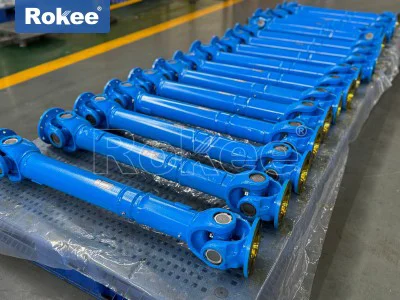
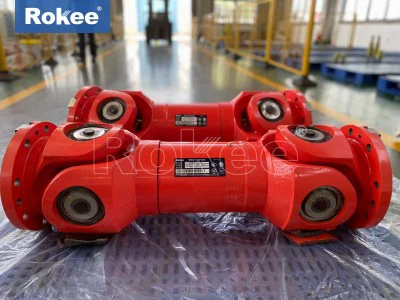
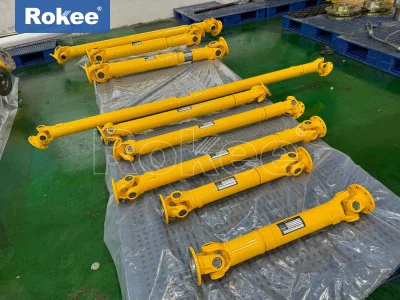
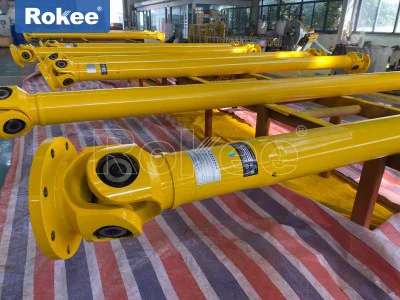
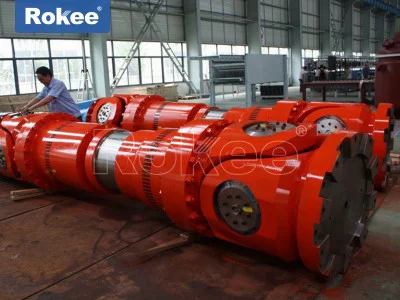
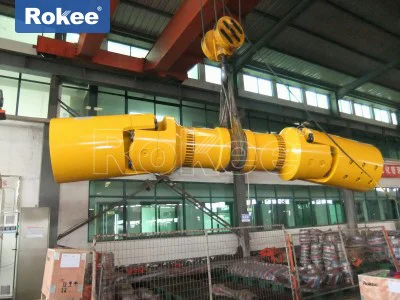
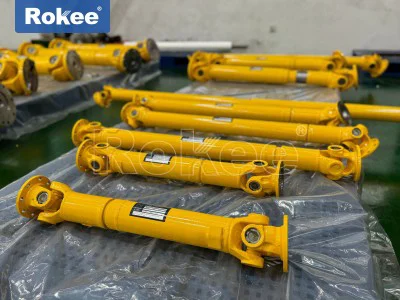
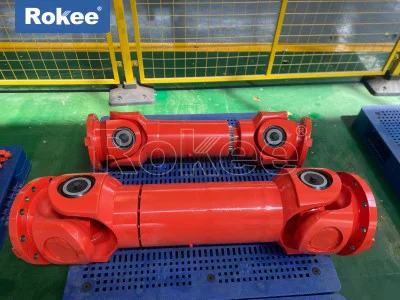
The universal coupling, also known as a universal joint or U-joint, is a critical transmission component in the PU sandwich panel production line, playing an irreplaceable role in connecting different shafts that transmit rotary motion while compensating for angular deviations and axial displacements between them. In the continuous operation of a PU sandwich panel line, which involves multiple functional systems such as uncoiling, forming, foaming, laminating, curing, and cutting, the universal coupling is responsible for transmitting power stably between the motor, reducer, conveyor rollers, and other key equipment. Its stable operation directly determines the production efficiency, product quality, and operational safety of the entire line. Due to the harsh working environment of the PU sandwich panel line—characterized by continuous high-load operation, frequent start-stop cycles, dust accumulation, and occasional exposure to high temperatures from the PU foaming curing process—the universal coupling is prone to various faults over time. These faults, if not detected and handled in a timely manner, may lead to equipment shutdown, affect production schedules, increase maintenance costs, and even cause safety accidents. Therefore, mastering the common faults, troubleshooting methods, and emergency treatment measures of the universal coupling in the PU sandwich panel line is of great practical significance for ensuring the smooth operation of the production line, extending the service life of the equipment, and reducing economic losses.
To effectively conduct troubleshooting and emergency treatment, it is first necessary to understand the basic structure and working principle of the universal coupling used in the PU sandwich panel line. A typical universal coupling consists of a pair of hinges located close together, oriented at 90 degrees to each other, connected by a cross shaft, along with shaft sleeves, bearings, seals, and connecting bolts. The shaft sleeves are connected to the driving shaft and driven shaft through keyways, ensuring the transmission of torque. The cross shaft and bearings form the core rotating part, allowing the coupling to adapt to the angular deviation between the two shafts during operation. The seals are used to prevent dust, moisture, and other impurities from entering the internal components, while also retaining lubricating grease to reduce friction and wear. In the PU sandwich panel line, the universal coupling operates under specific working conditions: it needs to transmit a certain amount of torque to drive the conveyor rollers to transport the panel blanks, coordinate the speed between different equipment to ensure the continuous and stable progress of the production process, and adapt to the slight positional changes of the equipment caused by thermal expansion and contraction or long-term operation. The working environment is often accompanied by dust from the surface materials (such as color-coated steel plates or aluminum foils) and slight vibrations from the operation of the production line, which further increases the risk of faults in the universal coupling.
One of the most common faults of the universal coupling in the PU sandwich panel line is abnormal vibration and noise during operation, which is often a precursor to more serious faults and requires immediate attention. When the production line is running, if operators hear obvious metal friction sounds, buzzing sounds, or knocking sounds from the universal coupling area, and at the same time feel obvious vibration of the equipment connected to the coupling, it indicates that there may be a problem with the coupling. The main causes of this fault include excessive wear of the cross shaft and bearings, which leads to increased gaps between components; improper alignment of the driving shaft and driven shaft, resulting in uneven force during the rotation of the coupling; loose connecting bolts, which cause positional deviation of the coupling during operation; insufficient lubrication or contamination of lubricating grease, leading to increased friction between moving parts; and bending or deformation of the cross shaft or shaft sleeves, which destroys the dynamic balance of the coupling. To troubleshoot this fault, the first step is to stop the production line immediately to avoid further damage to the coupling and related equipment. Before starting the inspection, it is necessary to ensure that the power is completely cut off and the equipment has stopped rotating to ensure the safety of the operators. Then, check the connecting bolts of the coupling to see if there are any loose or missing bolts; if so, use a torque wrench to tighten the bolts according to the specified torque, and replace any damaged or deformed bolts. Next, check the lubrication status of the coupling: open the lubrication port to observe the color and consistency of the lubricating grease; if the grease is dry, caked, or contaminated with dust and metal debris, it needs to be completely cleaned and refilled with appropriate lubricating grease. It should be noted that the type of lubricating grease should be selected according to the working temperature and load of the coupling, and overfilling or underfilling should be avoided. Then, check the cross shaft and bearings for wear: remove the seals and observe the surface of the cross shaft and the inner race of the bearings; if there are obvious wear marks, scratches, or pitting, it indicates that the components are severely worn and need to be replaced in time. In addition, it is necessary to check the alignment of the driving shaft and driven shaft using professional tools such as a laser aligner or dial indicator; if the alignment deviation exceeds the allowable range, adjust the position of the equipment to ensure that the angular deviation is within 1.5 degrees and the axial displacement is within the specified limit. After completing the above inspections and repairs, start the production line at a low speed to test whether the vibration and noise are eliminated; if the fault persists, further check for hidden problems such as bending of the shaft or damage to the bearing seat.
Another common fault is the wear and damage of the coupling components, including wear of the cross shaft, bearings, shaft sleeves, and seals, as well as fracture of the cross shaft or connecting bolts. This type of fault is usually caused by long-term high-load operation, frequent impact loads, insufficient lubrication, contamination of the working environment, or improper installation. In the PU sandwich panel line, the universal coupling often bears instantaneous impact loads when the production line starts or stops, or when the panel blanks are blocked, which can easily lead to fatigue wear and even fracture of the components. For example, if the conveyor rollers are blocked by the panel blanks, the torque transmitted by the universal coupling will suddenly increase, exceeding the bearing capacity of the cross shaft and bolts, resulting in fracture. In addition, dust and impurities in the working environment can enter the internal components of the coupling through damaged seals, causing abrasive wear between the cross shaft and bearings, accelerating component damage. When this fault occurs, the production line will usually stop working, or there will be obvious abnormal sounds and vibrations. To troubleshoot, first cut off the power and disassemble the coupling to check the damage of each component. For severely worn bearings, cross shafts, or shaft sleeves, they must be replaced with new components of the same specification; it is not allowed to use worn or damaged components temporarily to avoid secondary faults. For fractured connecting bolts, all bolts must be replaced with high-strength bolts of the same grade, and tightened according to the specified torque in a diagonal order to ensure uniform force. For damaged seals, they should be replaced in time to prevent dust and moisture from entering the coupling. When replacing components, it is necessary to ensure that the installation is correct: the cross shaft should be installed in place, the bearings should be properly fitted, and the shaft sleeves should be aligned with the keyways of the driving and driven shafts to avoid forced installation, which may cause deformation of the components. After replacement, assemble the coupling correctly, add appropriate lubricating grease, and conduct a test run to ensure that the coupling operates smoothly without abnormal sounds or vibrations.
Lubrication failure is also a common problem that cannot be ignored in the universal coupling of the PU sandwich panel line. The lubricating grease in the coupling plays a role in reducing friction, cooling, rust prevention, and sealing. If the lubrication fails, the friction between the moving components will increase significantly, leading to overheating, wear, and even seizure of the coupling. The main causes of lubrication failure include aging, hardening, or leakage of lubricating grease due to long-term use; insufficient lubrication caused by failure to add lubricating grease according to the specified cycle; use of inappropriate types of lubricating grease that do not meet the working requirements; and damage to the seals, leading to leakage of lubricating grease and entry of impurities. The symptoms of lubrication failure are obvious: the surface of the coupling is overheated, the temperature can reach more than 60 degrees Celsius, and there may be smoke or burning smell in severe cases; the rotation of the coupling is inflexible, and there is obvious friction sound. When troubleshooting lubrication failure, first stop the equipment and wait for the coupling to cool down to avoid scalding. Then, check the seals for damage or aging; if so, replace them immediately. Next, clean the internal and external surfaces of the coupling to remove the remaining old lubricating grease, dust, and impurities. Then, add the appropriate type of lubricating grease according to the working conditions of the coupling; the amount of lubricating grease should be controlled properly, generally filling 1/2 to 2/3 of the internal space of the bearing. After adding lubricating grease, manually rotate the coupling to ensure that the grease is evenly distributed on all moving surfaces. In addition, it is necessary to establish a regular lubrication maintenance system, check the lubrication status of the coupling every shift, and add or replace lubricating grease according to the specified cycle, which can effectively prevent lubrication failure.
In addition to the above common faults, the universal coupling in the PU sandwich panel line may also experience faults such as power transmission failure and seizure. Power transmission failure is usually manifested as the motor running normally, but the driven equipment (such as conveyor rollers) does not rotate or rotates intermittently, which is mainly caused by severe wear of the cross shaft and bearings, leading to loss of torque transmission; or the keyway of the shaft sleeve is worn, resulting in slipping between the shaft and the shaft sleeve; or the cross shaft is fractured, leading to interruption of power transmission. When this fault occurs, first cut off the power, check the coupling components step by step: check whether the cross shaft is fractured, whether the keyway is worn, and whether the bearings are seized. If the cross shaft is fractured, replace it with a new one; if the keyway is worn, repair the keyway or replace the shaft sleeve; if the bearings are seized, replace the bearings and clean the coupling. Seizure of the coupling is a more serious fault, which is usually caused by severe lubrication failure, excessive wear of components, or foreign objects entering the coupling. When the coupling is seized, the motor will be overloaded, and there may be a burning smell of the motor or tripping of the circuit breaker. At this time, it is necessary to cut off the power immediately to avoid burning the motor. Then, disassemble the coupling, check the cause of seizure, clean the internal components, replace the worn or damaged parts, add lubricating grease, and reassemble and test run.
Emergency treatment of universal coupling faults in the PU sandwich panel line is crucial to minimizing production losses and ensuring operational safety. When a sudden fault occurs in the coupling during production, such as fracture of the cross shaft, seizure, or severe vibration, the operator should first press the emergency stop button to stop the production line immediately, cut off the power supply of the related equipment, and prevent the fault from expanding. At the same time, isolate the fault area and place warning signs to avoid other personnel approaching and causing safety accidents. Then, quickly check the fault situation, judge the type and severity of the fault, and take corresponding emergency measures. If the fault is simple and can be handled quickly, such as loose bolts or insufficient lubrication, repair it immediately after ensuring safety, and restart the production line after testing to minimize production interruption time. If the fault is more complex, such as fracture of the cross shaft or severe wear of components, and it cannot be repaired on site quickly, it is necessary to replace the spare coupling (if available) to restore production as soon as possible, and then send the damaged coupling to the maintenance workshop for thorough repair. During the emergency treatment process, operators must strictly abide by safety operating procedures, wear appropriate labor protection equipment, and avoid operating with bare hands or using improper tools, which may cause personal injury or further damage to the equipment. In addition, it is necessary to record the fault situation, including the time of the fault, the symptoms, the cause of the fault, and the treatment measures, which provides a basis for subsequent maintenance and fault prevention.
Preventive maintenance is an important means to reduce the occurrence of universal coupling faults in the PU sandwich panel line. By establishing a scientific and reasonable preventive maintenance system, regular inspection, maintenance, and maintenance of the coupling can effectively extend its service life and reduce the frequency of faults. The specific preventive maintenance measures include: conducting daily inspections during each shift, focusing on checking the vibration, noise, temperature, and lubrication status of the coupling, as well as the tightness of the connecting bolts, and recording the inspection results; conducting weekly inspections, including checking the wear status of the seals, the amount and quality of lubricating grease, and the alignment of the driving and driven shafts; conducting monthly comprehensive inspections, disassembling the coupling to check the wear status of the cross shaft, bearings, and shaft sleeves, and replacing worn components in a timely manner; conducting regular lubrication according to the specified cycle, selecting appropriate lubricating grease, and ensuring that the lubrication is sufficient and effective; keeping the working environment clean, regularly cleaning the dust and impurities around the coupling, and avoiding contamination of the coupling components; avoiding overloading the production line, and reducing the impact of instantaneous load on the coupling during start-stop and operation; training operators and maintenance personnel to improve their ability to identify and handle common faults of the coupling, so that they can detect and deal with potential faults in a timely manner.
In conclusion, the universal coupling is a key component in the PU sandwich panel production line, and its stable operation is crucial to the normal operation of the entire production line. The common faults of the universal coupling in the PU sandwich panel line mainly include abnormal vibration and noise, wear and damage of components, lubrication failure, power transmission failure, and seizure. To effectively solve these faults, it is necessary to master the correct troubleshooting methods, conduct timely inspections and repairs, and take scientific emergency treatment measures when sudden faults occur. At the same time, establishing a sound preventive maintenance system, strengthening daily maintenance and management, can effectively reduce the occurrence of faults, extend the service life of the coupling, ensure the continuous and stable operation of the PU sandwich panel line, and improve production efficiency and product quality. In the actual production process, operators and maintenance personnel should pay close attention to the operation status of the universal coupling, accumulate experience in fault handling, and continuously improve the level of equipment maintenance and management, so as to provide a strong guarantee for the smooth progress of production.