Characteristics Of Cross Axis Universal Joint Coupling
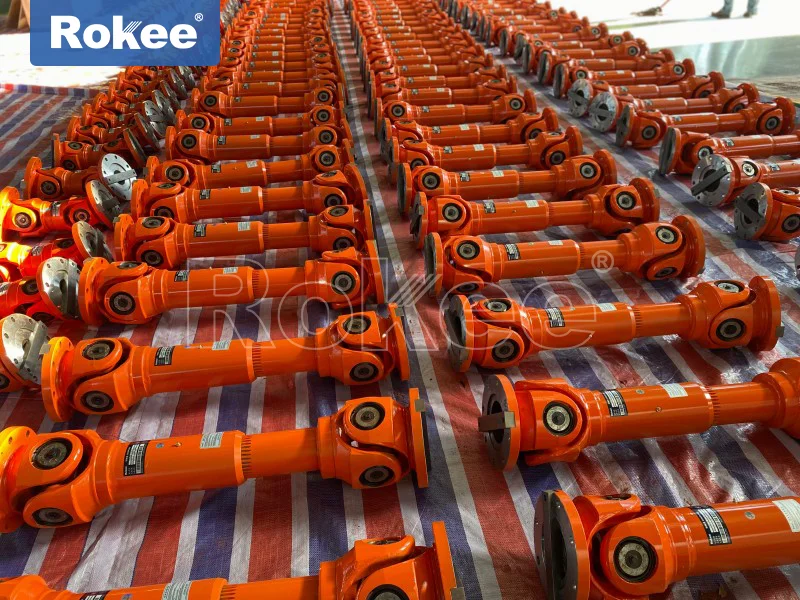
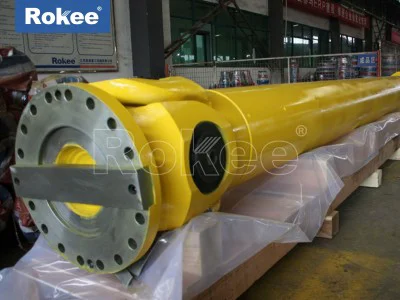
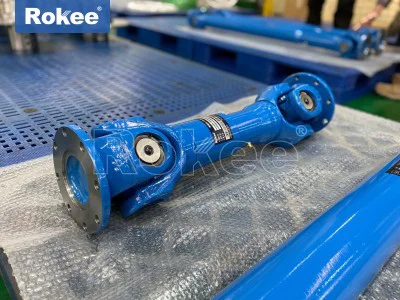
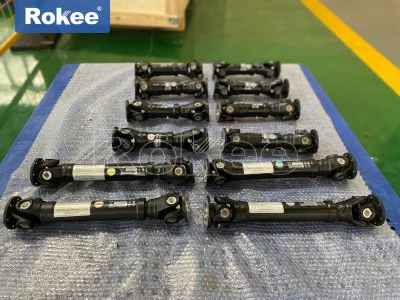
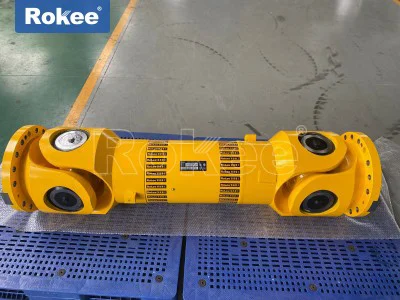
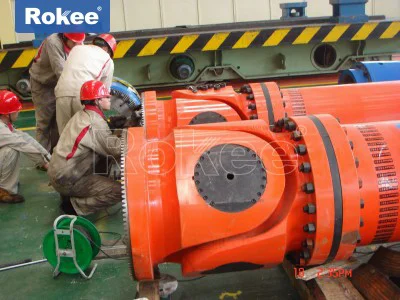
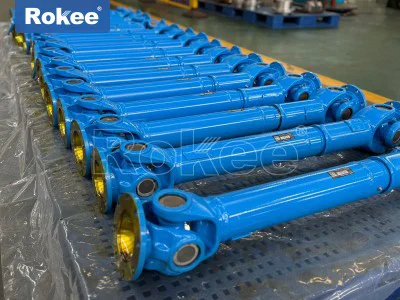
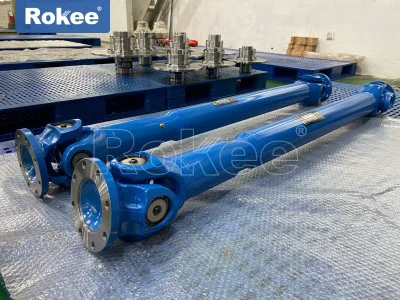
Cross axis universal joint coupling is a highly versatile mechanical transmission device, specifically used to connect transmission shafts with different axes or axis angles, achieving efficient transmission of torque and motion. This type of coupling cleverly combines a cross shaft and a fork head, allowing the two shafts to maintain continuous rotation and reliably transmit power even when their positions are not completely aligned.
Structurally, the cross axis universal joint coupling mainly consists of two fork shaped joints, a cross axis, and several rolling bearings. As the core component, the cross shaft is equipped with needle roller bearings on the four shaft necks, which are precisely fixed in the bearing seats of the two forks. When the driving shaft rotates, the rotational motion is transmitted to the driven shaft through the pivot action of the cross shaft, and it can work normally even if there is a certain angle deviation between the two shafts.
Compared with ordinary couplings, the significant feature of cross axis universal couplings is their ability to adapt to larger axis offsets. Depending on the model, this type of coupling allows for an angle of 5 ° to 45 ° between the centerlines of the two shafts, and some special designs can even achieve greater angle compensation capability. At the same time, they can also adapt to a certain degree of axial displacement and radial offset, providing greater flexibility for mechanical design.
In terms of industrial applications, the cross axis universal joint coupling almost covers all heavy machinery fields that require the transmission of large torque and have axis deviation. From hot rolling mills and cold rolling mills in the metallurgical industry to crushers and conveying equipment in mining machinery; From ship propulsion systems to transmission devices for engineering vehicles; It can be seen in the rotating mechanisms of oil drilling equipment and lifting machinery. Its reliability and adaptability make it an indispensable key component in the transmission system of heavy industrial machinery.
With the continuous improvement of equipment performance requirements in modern industry, the cross axis universal joint coupling is also constantly developing and innovating. The application of new materials, structural optimization design, and the introduction of precision manufacturing processes have significantly improved the load-bearing capacity, transmission efficiency, and service life of such couplings, meeting more demanding working conditions.