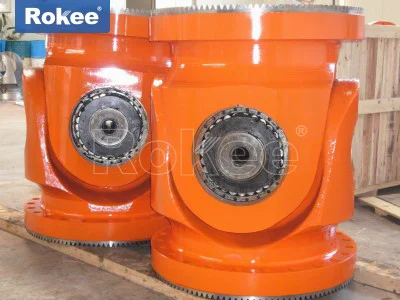
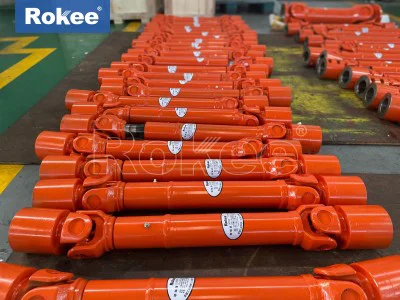
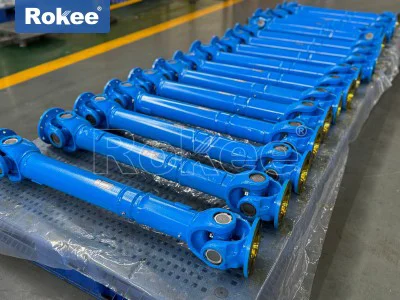
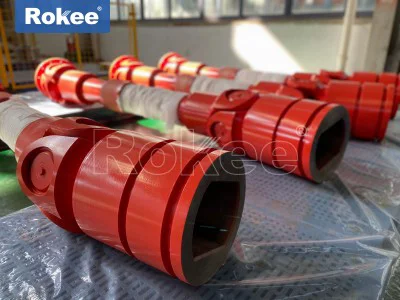
Universal Shaft Supplier

In the intricate web of industrial machinery and mechanical power transmission systems, universal shafts stand as unsung yet indispensable components, bridging the gap between misaligned rotating shafts and ensuring seamless transfer of torque and motion across countless applications. As a dedicated supplier focused on delivering reliable, high-performance universal shaft solutions, understanding the core functionality, diverse operational demands, and evolving needs of end-users across industries is paramount. Every universal shaft is engineered to address a fundamental challenge in mechanical design: the need to transmit rotational power between shafts that are not perfectly aligned, whether due to angular displacement, parallel offset, or axial movement, without compromising efficiency, durability, or operational stability. This unique capability makes universal shafts a cornerstone of modern manufacturing, transportation, heavy industry, and precision engineering, catering to a spectrum of operational conditions from light-duty precision machinery to heavy-duty industrial equipment operating in extreme environments.
The fundamental design of universal shafts revolves around flexibility and strength, balancing the ability to accommodate misalignment with the capacity to withstand substantial torque loads and repetitive mechanical stress. At their core, these components feature a articulated joint structure that allows for multi-directional movement, paired with a robust shaft body that serves as the primary conduit for power transfer. Unlike rigid shaft connections that fail under even minor misalignment, universal shafts absorb positional variations caused by machinery vibration, thermal expansion, suspension movement, or installation constraints, preserving the integrity of the entire transmission system. This adaptability not only prevents premature wear and tear on connected equipment but also reduces downtime and maintenance costs, making universal shafts a cost-effective long-term investment for businesses across sectors. The versatility of universal shafts is further enhanced by customizable design parameters, allowing suppliers to tailor dimensions, joint types, length, and load-bearing capacity to match the unique specifications of each application, ensuring a perfect fit for diverse operational setups.
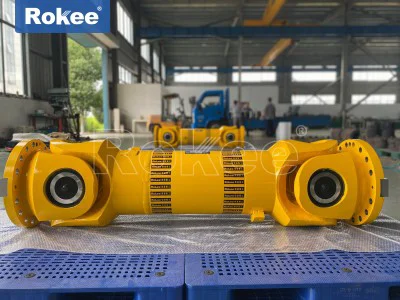
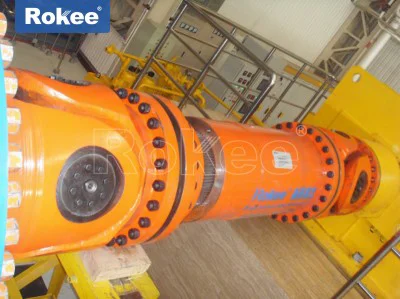
Across the global industrial landscape, universal shafts find deployment in an extensive array of sectors, each with distinct performance requirements that shape design and material selection. In the automotive and transportation industry, universal shafts are integral to drivetrain systems, transmitting power from engines and transmissions to wheel assemblies, accommodating the constant angular shifts caused by road unevenness and suspension travel. Whether in passenger vehicles, commercial trucks, buses, or specialized off-road equipment, these shafts deliver consistent power delivery, smooth handling, and reduced vibration, enhancing both vehicle performance and passenger comfort. In heavy industrial settings such as steel mills, mining operations, and construction sites, universal shafts are tasked with transmitting extreme torque levels under harsh conditions—including high temperatures, heavy shock loads, dust, and moisture. Here, they power critical machinery like rolling mills, crushers, conveyors, and excavators, where failure is not an option, and durability is non-negotiable. The metallurgical and manufacturing sectors rely on universal shafts to drive production lines, presses, and processing equipment, maintaining synchronized motion and efficient power transfer to uphold production timelines and product quality.
Beyond these heavy-duty applications, universal shafts play a vital role in precision engineering and light industrial sectors, where accuracy and smooth operation take precedence. In aerospace support equipment, marine propulsion systems, agricultural machinery, and packaging lines, these components enable precise motion control, minimal noise output, and consistent performance, even in high-speed operational scenarios. Marine applications, in particular, demand universal shafts that can resist corrosion and withstand the unique stresses of aquatic environments, while agricultural equipment requires shafts that can endure outdoor exposure, debris, and variable load conditions. The paper and pulp industry, food processing plants, and textile manufacturing facilities also depend on universal shafts to keep production processes running smoothly, highlighting the component’s ability to adapt to both sterile, controlled environments and rugged, high-wear settings. This cross-sector versatility cements the universal shaft’s status as a foundational part of mechanical engineering, with no single industry able to fully optimize its operations without reliable access to well-crafted, application-specific universal shaft solutions.
Material selection is a critical pillar of universal shaft manufacturing, directly impacting performance, longevity, and resistance to operational stressors. Suppliers prioritize materials that offer a harmonious blend of tensile strength, flexibility, fatigue resistance, and durability, tailored to the intended use case. High-grade alloy steels are the preferred choice for heavy-duty universal shafts, as they deliver exceptional torque-bearing capacity, resistance to bending and fracture, and longevity under continuous heavy loads. These steels undergo specialized heat treatment processes to enhance their mechanical properties, ensuring they can withstand the repetitive stress of rotational movement and misalignment without warping or cracking. For applications requiring corrosion resistance, such as marine or chemical processing environments, materials with protective alloy compositions or surface treatments are utilized to prevent rust and degradation, extending service life in harsh conditions. Lightweight yet durable materials are employed for precision and high-speed applications, reducing rotational inertia and minimizing vibration while maintaining structural integrity. Every material choice is guided by the operational demands of the end application, ensuring that the universal shaft not only fits the mechanical setup but also performs reliably under its unique stressors.
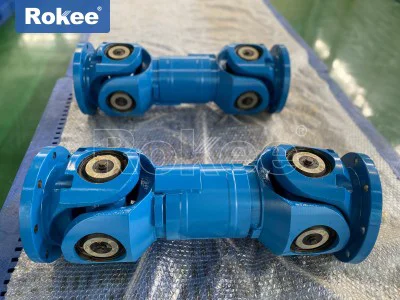
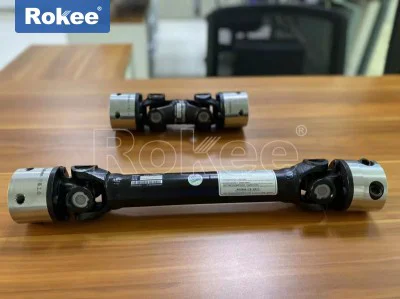
Design engineering further elevates the functionality of universal shafts, with suppliers leveraging advanced engineering principles to optimize performance across every variable. The configuration of the universal joint itself is a key design consideration, with different joint structures tailored to accommodate varying degrees of misalignment, speed, and torque. Single joint designs are suitable for moderate angular misalignment and standard load conditions, while double joint configurations offer enhanced flexibility, handling greater angular offsets and maintaining smooth power transfer at higher speeds. Shaft length and diameter are precisely calibrated to balance load capacity and operational flexibility, avoiding over-engineering that adds unnecessary weight or under-engineering that compromises strength. Precision balancing is integrated into the manufacturing process to minimize vibration and noise during operation, a critical factor for high-speed machinery that relies on smooth rotation to prevent component damage and ensure operational efficiency. Additionally, modular design elements simplify installation, maintenance, and replacement, reducing downtime for end-users and streamlining the integration of universal shafts into existing equipment setups. This focus on user-centric design ensures that every universal shaft not only meets technical specifications but also aligns with the practical needs of operators and maintenance teams.
For suppliers, delivering exceptional universal shaft solutions extends beyond manufacturing and design; it encompasses a commitment to quality craftsmanship, consistent performance, and responsive support throughout the product lifecycle. Rigorous testing protocols are implemented at every stage of production, from raw material inspection to final assembly validation, to ensure that each shaft meets strict performance standards and can withstand real-world operational stress. Testing includes assessments of torque capacity, misalignment tolerance, fatigue resistance, and operational smoothness, simulating the harsh conditions the shaft will face in active service to identify and resolve potential flaws before delivery. This dedication to quality control minimizes the risk of premature failure, reduces maintenance burdens for end-users, and fosters long-term trust between suppliers and their clients. Moreover, suppliers maintain flexible production capabilities to accommodate both standard off-the-shelf orders and custom requests, ensuring that clients with unique operational requirements can access tailored solutions without extended lead times. Whether serving small-scale manufacturing operations or large industrial enterprises, the ability to adapt to diverse order volumes and specifications is a hallmark of a reliable universal shaft supplier.
Operational maintenance and longevity are also key considerations for both suppliers and end-users, as proactive care maximizes the service life of universal shafts and optimizes return on investment. While universal shafts are engineered for durability, regular maintenance practices—such as lubrication, inspection for wear, and alignment checks—play a pivotal role in preserving performance and preventing costly breakdowns. Suppliers often provide clear, practical guidance on maintenance best practices tailored to each shaft’s design and application, empowering end-users to implement effective upkeep routines. Proper lubrication, in particular, reduces friction between moving parts within the universal joint, minimizing wear, heat buildup, and energy loss, while routine inspections allow for early detection of minor issues before they escalate into major failures. Additionally, the modular design of most universal shafts simplifies part replacement, enabling quick repairs and reducing equipment downtime when maintenance is required. This synergy between durable design, user-friendly maintenance, and supplier support ensures that universal shafts remain operational for extended periods, delivering consistent value throughout their lifespan.
The landscape of universal shaft manufacturing and supply is continuously evolving, driven by advancements in material science, engineering technology, and shifting industrial demands. As industries push for greater efficiency, sustainability, and automation, suppliers are adapting by integrating innovative design techniques and cutting-edge materials to enhance shaft performance. Lightweight, high-strength materials are reducing energy consumption in machinery, while improved joint designs are boosting misalignment tolerance and operational smoothness. Digital engineering tools, such as computer-aided design and finite element analysis, allow suppliers to refine shaft designs with unparalleled precision, optimizing load distribution and minimizing material waste without compromising strength. Automation in manufacturing processes is also enhancing production consistency and reducing lead times, ensuring that suppliers can meet the growing demand for reliable universal shafts across global markets. Furthermore, the focus on sustainability is driving the development of eco-friendly manufacturing practices and recyclable materials, aligning the universal shaft industry with broader global efforts to reduce environmental impact.
In an era where industrial efficiency and operational reliability are more critical than ever, the role of a trusted universal shaft supplier cannot be overstated. These suppliers serve as vital partners to businesses across industries, providing the foundational components that keep machinery running, production lines moving, and operations profitable. By prioritizing quality, customization, and customer support, top universal shaft suppliers go beyond simply delivering products—they deliver tailored solutions that address unique operational challenges, reduce costs, and drive long-term success for their clients. Whether supporting heavy industry, transportation, precision engineering, or agricultural sectors, the commitment to engineering excellence and adaptability ensures that universal shafts remain a cornerstone of mechanical power transmission for years to come. As industrial technology continues to advance, the demand for high-performance, versatile universal shafts will only grow, and suppliers that prioritize innovation, quality, and customer-centricity will be well-positioned to meet this demand and shape the future of the industry.
Every universal shaft supplied is a testament to the intersection of engineering expertise, material science, and industry insight, designed not just to function, but to excel in the specific environments where it is deployed. From the smallest precision-driven applications to the largest heavy-duty industrial setups, these components work silently to keep the global industrial ecosystem operational, underscoring their irreplaceable value. For end-users, partnering with a knowledgeable and reliable universal shaft supplier means gaining access to solutions that are built to perform, built to last, and built to adapt to the ever-changing needs of modern industry. This symbiotic relationship between supplier and end-user is the driving force behind the continued evolution and refinement of universal shaft technology, ensuring that these critical components remain at the forefront of mechanical power transmission, supporting progress and efficiency across every corner of the industrial world.