Cardan Shaft Manufacturer
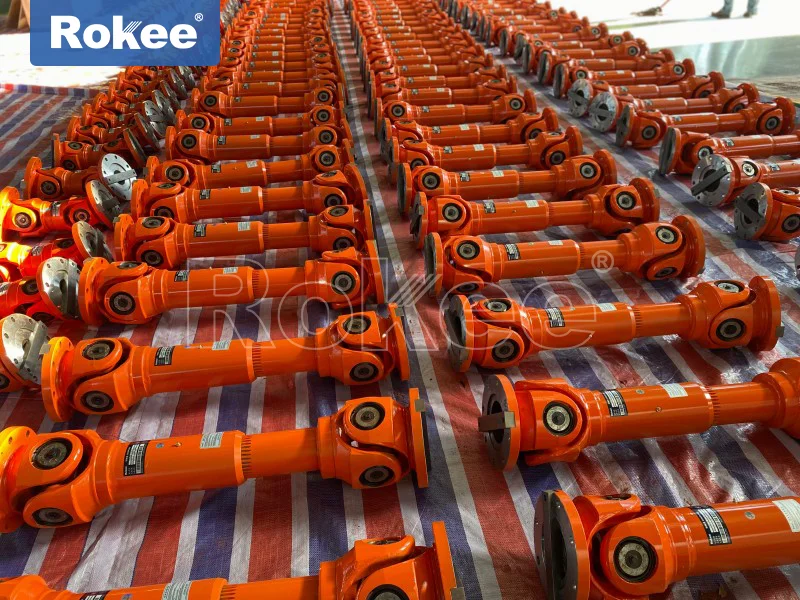
In the intricate web of global mechanical engineering and power transmission systems, the cardan shaft stands as a quiet yet indispensable component, bridging gaps between misaligned rotating parts and ensuring seamless transfer of torque across countless industrial and automotive applications. As a dedicated cardan shaft manufacturer, the craft of producing these precision-engineered parts goes far beyond simple fabrication; it embodies a blend of technical expertise, rigorous process control, material science mastery, and a deep understanding of the diverse operational demands that these shafts face in real-world environments. Every stage of production, from initial material selection to final finishing and quality inspection, is calibrated to deliver components that balance durability, flexibility, efficiency, and longevity, catering to the evolving needs of industries that rely on uninterrupted power transmission to keep operations running smoothly.
At the heart of cardan shaft manufacturing lies the critical decision of material selection, a step that dictates the performance, resilience, and service life of the final product. Manufacturers prioritize materials that can withstand extreme mechanical stress, variable temperatures, abrasive operating conditions, and cyclic loading without compromising structural integrity. High-grade alloy steels are the cornerstone of most cardan shaft production, chosen for their exceptional tensile strength, toughness, and resistance to fatigue—traits essential for handling the constant twisting, bending, and angular misalignment that define the shaft’s function. These alloy bars undergo meticulous preliminary testing to verify chemical composition, grain structure, and mechanical properties, ensuring they meet strict internal benchmarks for consistency and performance. Unlike generic steel grades, the alloys used for cardan shafts are formulated to strike a delicate balance: hard enough to resist wear and deformation under heavy loads, yet ductile enough to absorb minor shocks and vibrations without fracturing. For specialized applications that demand reduced weight or enhanced corrosion resistance, manufacturers may turn to advanced composite materials or modified steel alloys, each tailored to address unique operational challenges, from marine environments with high salt exposure to high-speed machinery where weight reduction directly boosts efficiency.
Once the raw materials are vetted and approved, the production process moves into precision shaping and machining, a phase that relies on state-of-the-art equipment and skilled craftsmanship to transform raw alloy bars into the foundational components of a cardan shaft. Computer numerical control (CNC) machinery takes center stage here, delivering unparalleled accuracy in cutting, turning, milling, and spline fabrication—operations that demand tight tolerances to ensure perfect fit and alignment during assembly. Raw bars are precisely cut to specified lengths, with strict controls over cutting surface perpendicularity and dimensional tolerance to avoid errors that could disrupt downstream machining or compromise the shaft’s balance. Rough machining follows, where the basic contours of the shaft, including stepped profiles, flange ends, and universal joint mounts, are shaped to preliminary specifications. Key features like splines, which enable secure torque transfer between the shaft and connected components, are machined with extreme precision; even minor imperfections in spline geometry can lead to power loss, premature wear, or mechanical failure under load. For heavy-duty cardan shafts designed for industrial machinery, additional forging processes may be integrated to refine grain structure, enhance material density, and boost overall strength, making the shaft capable of handling extreme torque loads that far exceed those of standard light-duty models.
Heat treatment represents one of the most pivotal stages in cardan shaft manufacturing, a transformative process that elevates the mechanical properties of the machined components to meet operational demands. Through controlled heating, quenching, and tempering cycles, manufacturers alter the internal microstructure of the steel, optimizing hardness, toughness, and fatigue resistance to match the shaft’s intended use. This process is not one-size-fits-all; parameters such as heating temperature, cooling rate, and tempering duration are finely tuned based on the material grade, shaft size, and expected operational stress. For example, shafts destined for heavy industrial equipment like rolling mills or mining machinery undergo more intensive heat treatment to achieve superior load-bearing capacity, while those for light automotive applications focus on balancing strength and flexibility to handle the dynamic movements of vehicle suspension systems. Improper heat treatment can render even the highest-quality raw materials ineffective, leading to warping, cracking, or premature fatigue failure, so manufacturers implement strict process monitoring and documentation to maintain consistency across every batch. Post heat treatment, components undergo stress relief processes to eliminate residual stresses built up during machining and heating, preventing dimensional distortion and ensuring long-term stability in service.
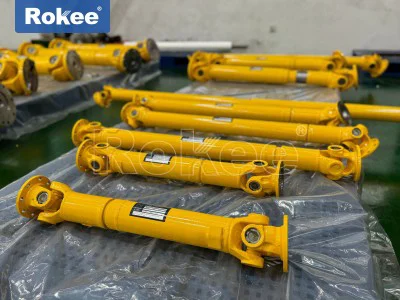
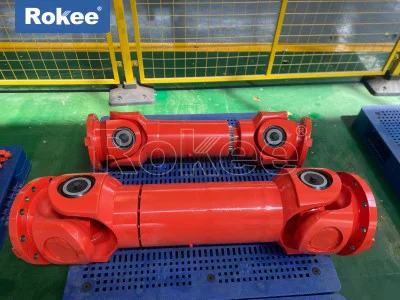
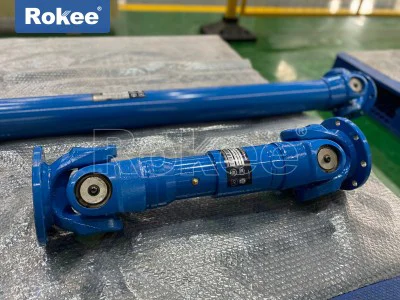
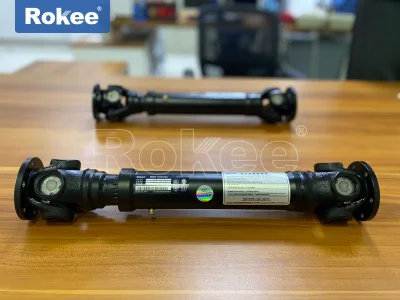
The assembly of a cardan shaft is a meticulous task that demands precision and attention to detail, as the shaft’s performance hinges on the seamless integration of its core components: the central shaft tube, universal joints, yokes, bearings, and telescopic elements (where applicable). Universal joints, the heart of the cardan shaft’s ability to accommodate angular misalignment, are assembled with precision-machined cross bearings and hardened races, ensuring smooth rotation even at significant angles between connected shafts. Manufacturers take great care to align each component perfectly during assembly, minimizing radial and axial runout that could cause vibration, noise, or uneven wear during operation. For telescopic cardan shafts, which compensate for axial movement between connected machinery, the sliding spline sections are engineered for smooth, friction-free movement while maintaining a tight seal to retain lubrication and keep out contaminants like dust, dirt, and moisture. After initial assembly, each shaft undergoes dynamic balancing—a critical step to eliminate uneven weight distribution that would lead to excessive vibration at high rotational speeds. Dynamic balancing machines detect and correct minor weight discrepancies across the shaft’s length, ensuring smooth operation, reducing wear on connected components, and extending the overall service life of both the cardan shaft and the machinery it powers. This step is especially vital for high-speed applications, where even small imbalances can escalate into catastrophic mechanical issues over time.
Surface finishing and protective coating are the final manufacturing steps, designed to enhance the cardan shaft’s resistance to environmental damage and wear, further boosting its durability and operational lifespan. The finishing process begins with thorough cleaning to remove machining debris, oil residues, and scale left from heat treatment, ensuring a pristine surface for coating application. Manufacturers apply specialized protective finishes tailored to the shaft’s operating environment: anti-corrosion coatings for shafts used in marine, agricultural, or outdoor industrial settings, wear-resistant coatings for high-friction contact areas, and durable paint or plating for general industrial use. These coatings not only shield the shaft from rust, oxidation, and abrasive damage but also simplify maintenance by reducing the accumulation of grime and contaminants. Beyond protective coatings, some shafts receive precision polishing on critical contact surfaces to minimize friction and improve lubricant retention, optimizing power transmission efficiency. Throughout the finishing process, quality checks are performed to ensure uniform coating coverage, proper adhesion, and compliance with dimensional specifications, ensuring no cosmetic or functional defects compromise the shaft’s performance.
Quality control is woven into every layer of cardan shaft manufacturing, acting as a safeguard to uphold performance standards and ensure each product meets the rigorous demands of its intended application. Unlike a one-time inspection, quality assurance is a continuous process that starts with raw material testing and extends through machining, heat treatment, assembly, balancing, and finishing. Non-destructive testing methods are employed to detect hidden flaws such as internal cracks, porosity, or material inconsistencies that could compromise structural integrity—tests include ultrasonic inspection for deep material defects and radiographic testing for critical welds and joint areas. Dimensional checks using precision measuring tools verify that every component adheres to tight tolerances, ensuring compatibility with mating parts and seamless integration into end-user machinery. Functional tests simulate real-world operating conditions, subjecting shafts to rotational stress, angular misalignment, and load testing to validate performance, smooth operation, and load-bearing capacity. Any shaft that fails to meet strict quality benchmarks is rejected or reworked, ensuring only fully compliant products move forward to packaging and shipment. This unwavering commitment to quality is what distinguishes reputable cardan shaft manufacturers, as even a single defective component can lead to costly downtime, equipment damage, or safety hazards for end users.
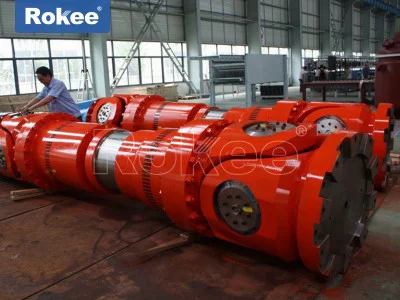
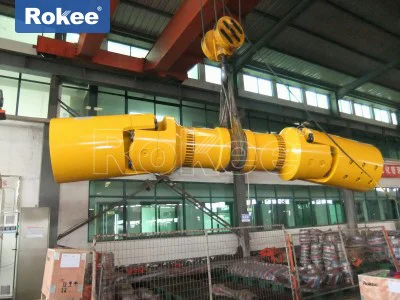
The versatility of cardan shafts is reflected in their widespread adoption across a vast array of industries, each with unique operational requirements that shape the design and manufacturing specifications of the shafts. In the automotive sector, cardan shafts are integral to drivetrain systems, transmitting power from the transmission to the drive axles while accommodating the constant movement of vehicle suspension systems—whether in light passenger vehicles, commercial trucks, or heavy-duty off-road equipment. These automotive-grade shafts prioritize compact design, smooth operation, and resistance to road debris and temperature fluctuations, ensuring reliable performance under varying driving conditions. In heavy industry, cardan shafts play a foundational role in steel rolling mills, mining equipment, construction machinery, and material handling systems, where they endure extreme torque loads, continuous operation, and harsh working environments. These industrial shafts are built for maximum durability and load capacity, with robust construction and reinforced components to withstand the rigors of heavy-duty use. Beyond automotive and industrial sectors, cardan shafts are essential in marine propulsion systems, agricultural machinery, pumping and compression equipment, conveyor systems, and even specialized aerospace and precision engineering applications, each requiring customized design tweaks to meet specific operational needs—from high-speed rotation to slow, heavy-load torque transfer.
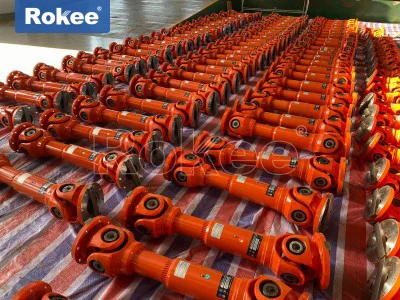
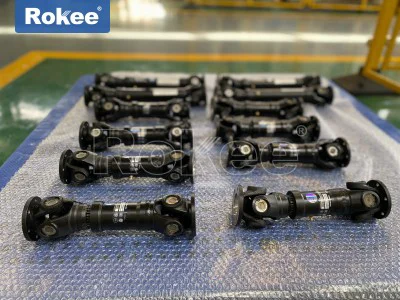
As a cardan shaft manufacturer, adaptability and customization are key to meeting the diverse needs of global clients, as off-the-shelf solutions rarely address the unique challenges of specialized machinery or unique operational setups. Manufacturers work closely with end users and engineering teams to develop custom cardan shafts tailored to specific torque requirements, angular misalignment limits, dimensional constraints, and environmental conditions. This collaborative approach involves detailed analysis of operational parameters, computer-aided design (CAD) modeling to optimize shaft geometry, and prototype testing to validate performance before full-scale production. Customization may involve adjusting shaft length, modifying universal joint angles, integrating specialized sealing systems, or using unique material grades to enhance performance in extreme environments—such as high-temperature industrial furnaces or corrosive chemical processing plants. This focus on customization ensures that each cardan shaft is not just a generic component, but a precision-engineered solution that integrates seamlessly into the client’s machinery, maximizing efficiency and minimizing the risk of operational disruptions. Whether producing small batches of specialized shafts for niche applications or large-scale runs for mass-market industries, manufacturers maintain the same level of precision and quality control, recognizing that every shaft plays a critical role in keeping global industrial and automotive systems operational.
The landscape of cardan shaft manufacturing is continuously evolving, driven by advancements in material science, manufacturing technology, and the shifting demands of end-user industries. Manufacturers are investing in cutting-edge production technologies to enhance efficiency, precision, and sustainability, from automated machining lines that reduce human error and boost production throughput to advanced simulation software that optimizes shaft design for maximum performance and minimal material waste. Sustainable manufacturing practices are also gaining traction, with efforts to reduce energy consumption during heat treatment, recycle scrap materials, and minimize the environmental impact of coating and finishing processes. Additionally, the rise of electric and hybrid vehicles, as well as automated industrial systems, is driving demand for lighter, more efficient cardan shafts that deliver high torque transfer with reduced weight and friction—pushing manufacturers to innovate in material selection and design engineering. As industries continue to prioritize reliability, efficiency, and longevity in their mechanical components, the role of the cardan shaft manufacturer becomes even more critical, requiring a constant commitment to research, development, and process improvement to stay ahead of industry trends and deliver products that meet the highest standards of quality and performance.
Beyond production and innovation, reputable cardan shaft manufacturers also prioritize comprehensive support throughout the product lifecycle, recognizing that long-term customer satisfaction relies on more than just high-quality components. This support includes expert guidance on shaft selection and customization, technical assistance with installation and integration, and ongoing maintenance advice to maximize shaft lifespan. Manufacturers leverage decades of industry experience to help clients choose the right shaft specifications for their applications, avoiding costly mismatches that could lead to poor performance or premature failure. Post-sales support ensures that clients have access to technical expertise when needed, reducing downtime and ensuring the continued reliability of their machinery. This holistic approach to customer care, combined with uncompromising manufacturing quality, solidifies the manufacturer’s role as a trusted partner in the global supply chain, supporting the seamless operation of industries that form the backbone of modern infrastructure and commerce.
In essence, the work of a cardan shaft manufacturer is a testament to the importance of precision engineering in the modern world. These unassuming components may not grab the spotlight, but they are vital to the functionality of nearly every rotating mechanical system, from passenger cars navigating city streets to massive industrial machines powering manufacturing plants. Every step of the manufacturing process—from material selection and precision machining to heat treatment, assembly, and quality testing—reflects a dedication to excellence that ensures cardan shafts deliver consistent, reliable performance under even the most demanding conditions. As global industries continue to advance and demand more from their mechanical components, cardan shaft manufacturers will remain at the forefront of innovation, refining their craft, embracing new technologies, and upholding the strict standards that make these components indispensable. In a world that relies on seamless power transmission, the expertise and commitment of cardan shaft manufacturers ensure that machinery runs smoothly, operations stay efficient, and progress continues unimpeded across every sector of the global economy.