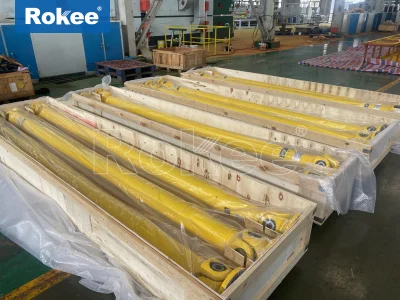
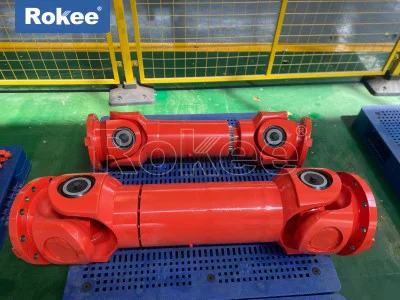
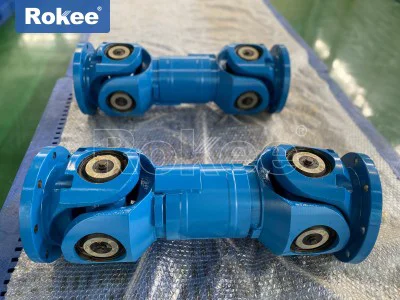
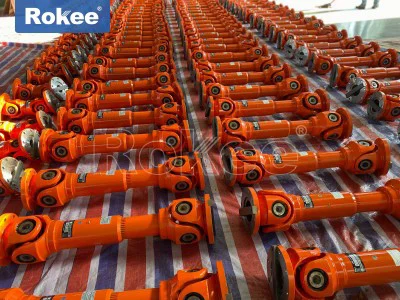
Long Telescopic Cardan Shaft

In the complex network of mechanical power transmission systems, the long telescopic cardan shaft stands out as a critical component that bridges the gap between misaligned shafts, enabling efficient and reliable torque transfer even in the most demanding industrial environments. Unlike standard cardan shafts, which are designed for fixed or slightly variable distances between driving and driven components, the long telescopic variant incorporates a unique telescoping mechanism that allows for significant axial movement while maintaining the ability to accommodate angular misalignment. This combination of features makes it an indispensable part of numerous heavy-duty applications, where flexibility, durability, and precision are non-negotiable requirements. From large-scale industrial machinery to specialized mobile equipment, the long telescopic cardan shaft plays a vital role in ensuring seamless power flow, reducing mechanical stress, and extending the service life of the entire transmission system.
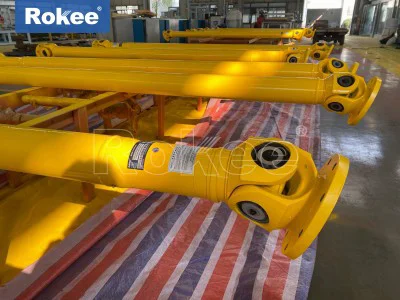
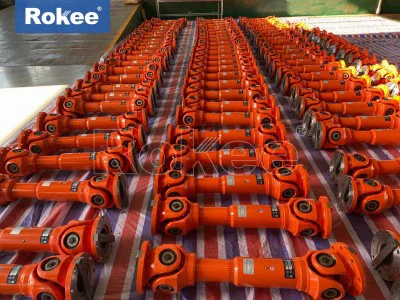
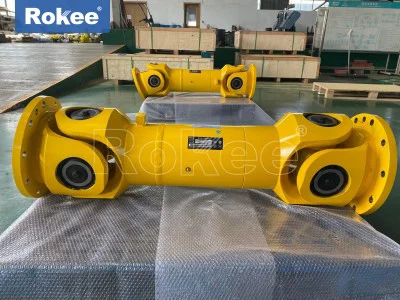
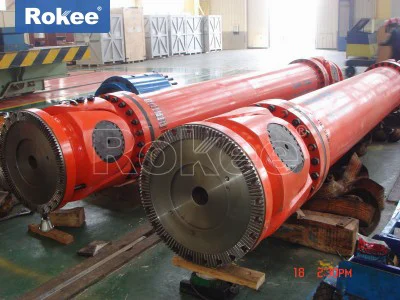
At its core, the long telescopic cardan shaft consists of several key components that work in harmony to deliver its unique functionality. The primary elements include two universal joints, a telescopic tube assembly, and a set of internal splines or a sliding mechanism that enables axial extension and retraction. The universal joints, typically of the cross-and-bearing design, are responsible for accommodating angular misalignment between the driving and driven shafts. Each universal joint features a cross-shaped component with bearings at each end, allowing the shaft to bend at various angles while transmitting torque without significant loss. The telescopic tube assembly, which forms the central part of the shaft, is composed of two concentric tubes—an outer tube and an inner tube—that slide relative to each other. This sliding action is facilitated by internal splines, which are precision-cut grooves that interlock the two tubes, ensuring that torque is transferred efficiently even as the shaft extends or retracts. The splines are designed to withstand high levels of stress and wear, as they bear the full brunt of the torque being transmitted while allowing for smooth axial movement.
The working principle of the long telescopic cardan shaft is a perfect blend of mechanical ingenuity and engineering precision. When the driving shaft rotates, it transfers torque to the first universal joint, which then transmits this torque to the telescopic tube assembly. The internal splines ensure that the torque is evenly distributed between the outer and inner tubes, allowing the assembly to rotate as a single unit. As the distance between the driving and driven shafts changes—due to thermal expansion, equipment movement, or operational adjustments—the inner tube slides within the outer tube, adjusting the overall length of the shaft without interrupting torque transmission. Simultaneously, the universal joints at both ends accommodate any angular misalignment between the shafts, preventing the formation of harmful bending stresses that could lead to premature failure. This ability to handle both axial movement and angular misalignment is what sets the long telescopic cardan shaft apart from other transmission components, making it ideal for applications where dynamic alignment changes are common.
The design and manufacturing of long telescopic cardan shafts require strict adherence to high-quality standards, as they are often subjected to extreme loads, harsh operating conditions, and continuous use. The choice of materials is a critical factor in determining the performance and durability of the shaft. Most long telescopic cardan shafts are constructed using high-strength alloy steels, which offer an excellent combination of tensile strength, toughness, and resistance to wear and fatigue. These steels are carefully selected based on the specific application requirements, with some variants incorporating additional elements such as chromium, molybdenum, or nickel to enhance their mechanical properties. The telescopic tubes are typically forged or extruded to ensure a uniform grain structure, which improves their strength and resistance to deformation. The internal splines are precision-machined using advanced CNC equipment to ensure a tight fit between the inner and outer tubes, minimizing backlash and ensuring efficient torque transfer.
The manufacturing process of a long telescopic cardan shaft involves several intricate steps, each of which contributes to the final product’s quality and performance. The process begins with the selection and preparation of raw materials, which are inspected for defects and impurities to ensure they meet the required specifications. The outer and inner tubes are then formed using forging or extrusion, followed by heat treatment to enhance their mechanical properties. Heat treatment processes such as quenching and tempering are used to increase the hardness and toughness of the steel, making it more resistant to wear and fatigue. After heat treatment, the tubes are precision-machined to achieve the desired dimensions and surface finish. The internal splines are cut using specialized tools, with strict quality control measures in place to ensure their accuracy and consistency. The universal joints are assembled separately, with the cross and bearings carefully fitted to ensure smooth rotation and minimal friction. Finally, the entire shaft is assembled, and a series of tests are conducted to verify its performance, including torque capacity, axial movement range, and angular misalignment tolerance.
One of the key advantages of the long telescopic cardan shaft is its versatility, which allows it to be used in a wide range of applications across various industries. In the heavy machinery sector, it is commonly found in construction equipment such as cranes, excavators, and bulldozers, where it connects the engine to the transmission system and accommodates the movement of the equipment’s arms and tracks. In these applications, the shaft must withstand high torque loads and significant axial and angular movements, making the telescopic design essential. The long telescopic cardan shaft is also widely used in the mining industry, where it is employed in conveyor systems, crushers, and other equipment that operates in harsh, dusty environments. The shaft’s ability to handle misalignment and axial movement ensures that power is transmitted reliably even as the equipment vibrates or shifts during operation.
In the automotive and transportation industry, the long telescopic cardan shaft plays a crucial role in vehicles such as trucks, buses, and off-road vehicles. In trucks, for example, it connects the transmission to the rear axle, accommodating the movement of the axle as the vehicle travels over uneven terrain. The telescopic design allows the shaft to adjust its length as the suspension compresses and extends, ensuring that torque is transmitted without interruption. In off-road vehicles, the shaft’s ability to handle large angular misalignments is particularly important, as the vehicle’s wheels and axles are often subjected to significant movement during operation. Additionally, the long telescopic cardan shaft is used in specialized vehicles such as agricultural machinery, where it connects the tractor’s power take-off (PTO) to various implements, allowing for efficient power transfer even when the implements are moved or adjusted.
The aerospace and defense industries also rely on long telescopic cardan shafts for various applications, where precision and reliability are of utmost importance. In aircraft, for example, the shaft may be used to connect the engine to the auxiliary power unit (APU) or other components, accommodating the thermal expansion and contraction that occurs during flight. The shaft’s lightweight design, combined with its high torque capacity, makes it ideal for aerospace applications, where weight reduction is a critical factor. In defense applications, the long telescopic cardan shaft is used in military vehicles, artillery systems, and other equipment that must operate in extreme conditions, including high temperatures, dust, and vibration. The shaft’s durability and ability to withstand harsh environments ensure that it can perform reliably even in the most challenging situations.
Another important application of the long telescopic cardan shaft is in industrial machinery, such as paper mills, steel mills, and power plants. In paper mills, the shaft is used to connect various rollers and other components, accommodating the movement of the rollers as they adjust to different paper widths and thicknesses. In steel mills, the shaft is employed in rolling mills, where it connects the motor to the rolling stands, handling the high torque loads and axial movement required during the rolling process. In power plants, the long telescopic cardan shaft is used in turbines and other equipment, ensuring that power is transmitted efficiently from the generator to the various components of the plant. The shaft’s ability to handle misalignment and axial movement is essential in these applications, as it helps to reduce mechanical stress and prevent premature component failure.
Proper maintenance is essential to ensure the long-term performance and reliability of the long telescopic cardan shaft. Regular inspection and maintenance can help to identify potential issues early, preventing costly breakdowns and extending the service life of the shaft. One of the key maintenance tasks is lubrication, as the universal joints and splines require regular lubrication to reduce friction and wear. The type of lubricant used should be selected based on the operating conditions, including temperature, load, and environment. It is important to ensure that the lubricant is applied in the correct quantity and at the recommended intervals to ensure optimal performance.
Another important maintenance task is the inspection of the universal joints and splines for signs of wear or damage. The bearings in the universal joints should be checked for play or roughness, as these can indicate that the bearings are worn and need to be replaced. The splines should be inspected for signs of wear, corrosion, or damage, as worn splines can lead to backlash and inefficient torque transfer. If any damage is detected, the affected components should be replaced immediately to prevent further damage to the shaft and other parts of the transmission system. Additionally, the telescopic tubes should be inspected for signs of bending, deformation, or corrosion, as these can affect the shaft’s ability to extend and retract smoothly.
In addition to regular maintenance, proper installation is also critical to the performance of the long telescopic cardan shaft. The shaft should be installed in a way that minimizes angular misalignment and ensures that the axial movement range is not exceeded. It is important to follow the manufacturer’s guidelines for installation, including the use of proper alignment tools and techniques. Improper installation can lead to excessive stress on the shaft and its components, resulting in premature failure. Additionally, the shaft should be mounted in a way that allows for easy access for maintenance and inspection, as this can help to reduce downtime and maintenance costs.
The performance of the long telescopic cardan shaft can be affected by a variety of factors, including operating conditions, load levels, and environmental factors. High temperatures, for example, can cause the telescopic tubes to expand, affecting the shaft’s length and alignment. Extreme cold, on the other hand, can cause the lubricant to thicken, increasing friction and wear. Dust, dirt, and other contaminants can also affect the performance of the shaft, as they can enter the universal joints and splines, causing wear and corrosion. To mitigate these effects, it is important to select a shaft that is designed for the specific operating conditions and to implement proper maintenance practices.
Advancements in technology have led to the development of more advanced long telescopic cardan shafts, with improved performance and durability. Modern shafts often incorporate advanced materials and manufacturing techniques, such as composite materials and precision machining, to reduce weight and increase strength. Some shafts also feature advanced lubrication systems, such as automatic lubrication, which ensures that the components are properly lubricated at all times. Additionally, the use of sensors and monitoring systems allows for real-time monitoring of the shaft’s performance, enabling early detection of potential issues and reducing the risk of breakdowns.
The future of the long telescopic cardan shaft is likely to be shaped by ongoing advancements in materials science, manufacturing technology, and automation. As industries continue to demand more efficient and reliable transmission systems, manufacturers will continue to innovate, developing shafts that are lighter, stronger, and more durable. The integration of smart technology, such as IoT sensors and predictive maintenance systems, will also play a key role in improving the performance and reliability of these shafts, allowing for more proactive maintenance and reducing downtime. Additionally, the growing focus on sustainability and energy efficiency is likely to drive the development of shafts that are more energy-efficient, reducing power loss and environmental impact.
In conclusion, the long telescopic cardan shaft is a critical component in modern mechanical power transmission systems, offering a unique combination of flexibility, durability, and precision. Its ability to accommodate both axial movement and angular misalignment makes it indispensable in a wide range of applications, from heavy machinery and automotive to aerospace and industrial equipment. The design and manufacturing of these shafts require strict adherence to high-quality standards, with careful selection of materials and precise machining techniques. Proper maintenance and installation are essential to ensure their long-term performance and reliability. As technology continues to advance, the long telescopic cardan shaft will continue to evolve, playing an even more important role in powering the machinery and equipment that drive our modern world. Whether in the construction site, the factory floor, or the skies above, the long telescopic cardan shaft remains a silent workhorse, ensuring that power is transmitted efficiently and reliably, day in and day out.