Heavy Duty Cardan Shaft
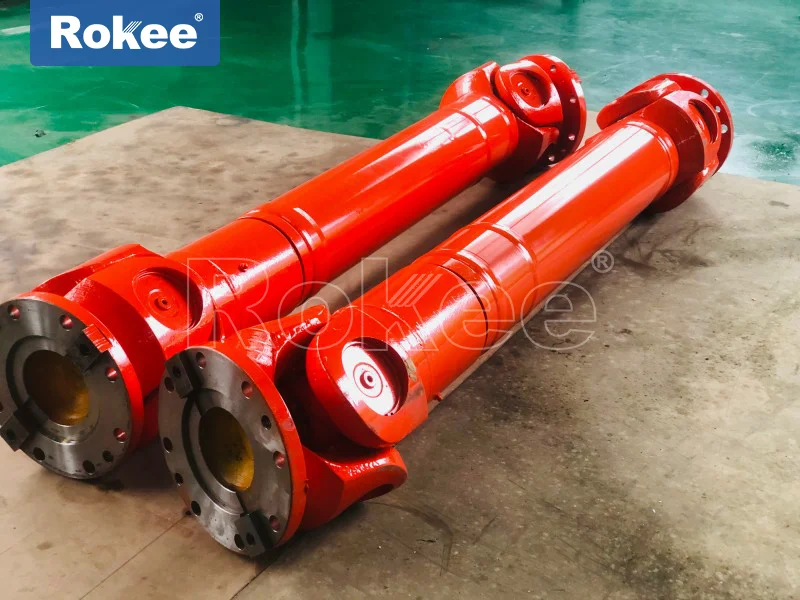
A heavy duty cardan shaft, also known as a universal joint shaft, is a critical mechanical component designed to transmit torque and rotational motion between two shafts that are not aligned perfectly, often operating at different angles or distances. Unlike standard cardan shafts used in lighter applications, heavy duty versions are engineered to withstand extreme loads, high torque, and harsh operating conditions, making them indispensable in a wide range of industrial, agricultural, and transportation sectors. These robust components play a vital role in ensuring the smooth and efficient operation of heavy machinery, where any failure could lead to costly downtime, equipment damage, or even safety hazards. Understanding the design, functionality, applications, and maintenance of heavy duty cardan shafts is essential for anyone involved in the operation, maintenance, or engineering of heavy equipment.
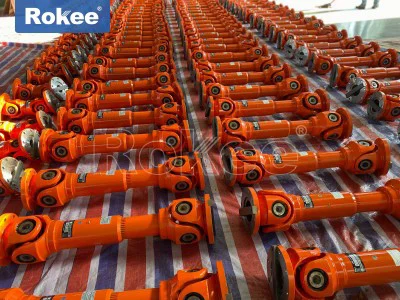
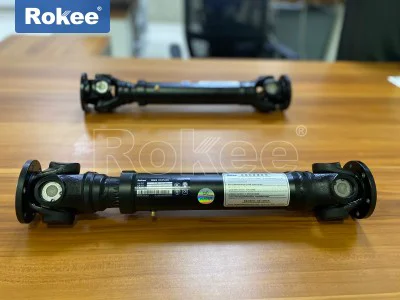
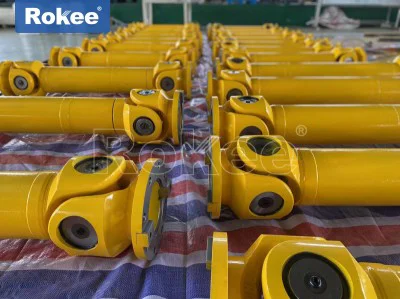
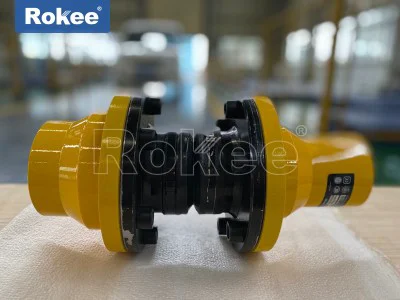
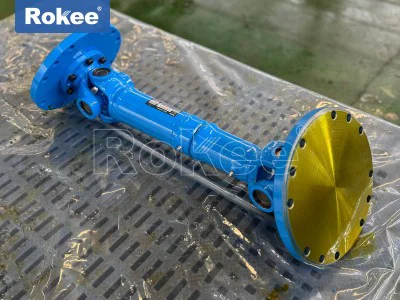
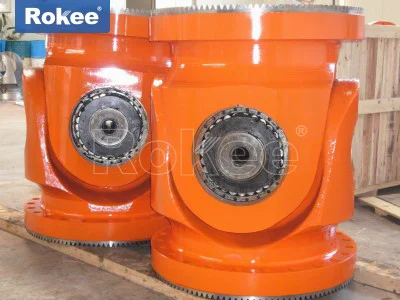
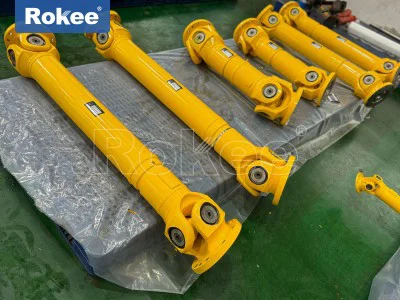
At its core, a heavy duty cardan shaft consists of several key components that work together to achieve reliable torque transmission. The primary elements include the universal joints (often referred to as u-joints), the shaft tube, yokes, and in many cases, a telescoping section. Each component is meticulously designed to handle the high stresses and forces associated with heavy duty applications. The universal joints are the heart of the cardan shaft, allowing for angular misalignment between the connected shafts. A typical universal joint comprises two yokes, a cross-shaped component (known as the cross or spider), and needle bearings that facilitate smooth rotation. The yokes are attached to the ends of the shaft tube and the connected equipment, while the cross fits into the yokes, enabling the shaft to bend at various angles without compromising torque transmission. The needle bearings reduce friction between the cross and yokes, ensuring efficient rotation even under heavy loads and high speeds.
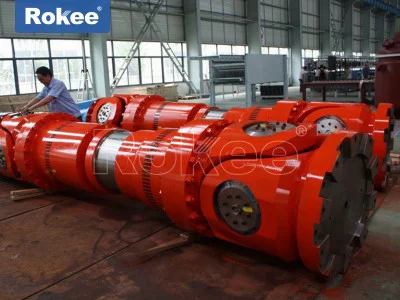
The shaft tube, another critical component, is responsible for carrying the torque from one universal joint to the other. In heavy duty applications, the shaft tube is typically made from high-strength materials such as alloy steel or forged steel, which provide the necessary rigidity and durability to withstand the immense forces exerted during operation. The thickness and diameter of the shaft tube are carefully calculated based on the application’s torque requirements, with larger diameters and thicker walls used for applications with higher torque demands. Some heavy duty cardan shafts feature a hollow shaft tube, which offers a balance between strength and weight, reducing the overall mass of the shaft while maintaining its load-bearing capacity. This design is particularly beneficial in applications where weight reduction is important, such as in mobile equipment, without sacrificing performance.
Yokes are the connecting components that attach the cardan shaft to the driven and driving shafts of the equipment. They are usually forged or machined from high-strength steel to ensure they can handle the torque and stresses transmitted through the shaft. The yokes are designed to fit precisely with the universal joints, with holes drilled to accommodate the cross and needle bearings. In some cases, yokes may be welded to the shaft tube, while others are bolted on for easier maintenance and replacement. The design of the yokes is critical to ensuring proper alignment and torque transmission, as any misalignment or weakness in the yokes can lead to premature failure of the entire cardan shaft assembly.
Many heavy duty cardan shafts also include a telescoping section, which allows the shaft to adjust its length to accommodate changes in distance between the connected shafts. This is particularly important in applications where the distance between the driving and driven components varies during operation, such as in vehicles with suspension systems or machinery with moving parts. The telescoping section typically consists of an inner shaft that slides within an outer shaft, with splines or keys to ensure torque transmission while allowing for axial movement. This design helps to reduce stress on the cardan shaft and the connected equipment, preventing damage caused by misalignment or excessive tension.
The working principle of a heavy duty cardan shaft is based on the ability of the universal joints to transmit torque between misaligned shafts. When the driving shaft rotates, it transfers torque to the first universal joint, which then transmits the torque to the shaft tube. The shaft tube carries the torque to the second universal joint, which then transfers it to the driven shaft. The universal joints allow the shaft to bend at angles up to a certain limit, typically between 30 and 45 degrees, depending on the design and application. This flexibility is essential in many heavy duty applications, where the connected shafts cannot be perfectly aligned due to the equipment’s design or operating conditions. For example, in a heavy truck, the cardan shaft connects the transmission to the rear axle, which moves up and down with the suspension, requiring the shaft to adjust its angle and length continuously during operation.
One of the key considerations in the design of heavy duty cardan shafts is balancing. Due to the high speeds at which these shafts operate, any imbalance can cause excessive vibration, which can lead to premature wear of the components, increased noise, and even damage to the connected equipment. To address this, heavy duty cardan shafts are carefully balanced during the manufacturing process. This involves removing material from specific areas of the shaft or adding weights to ensure that the shaft rotates evenly, minimizing vibration. Balancing is typically done using specialized equipment that measures the shaft’s vibration and identifies areas where adjustments are needed. Proper balancing is essential for the long-term reliability and performance of the cardan shaft, especially in high-speed applications such as industrial machinery or heavy vehicles.
Heavy duty cardan shafts are used in a wide range of applications, each with unique requirements and operating conditions. One of the most common applications is in the transportation industry, particularly in heavy trucks, buses, and trailers. In these vehicles, the cardan shaft transmits torque from the engine and transmission to the drive axles, enabling the vehicle to move. The harsh operating conditions of the transportation industry, including high loads, varying road conditions, and constant vibration, require the cardan shaft to be extremely durable and reliable. Heavy duty cardan shafts used in trucks are often designed to handle torque levels in excess of several thousand Newton-meters, with the ability to withstand sudden shocks and vibrations caused by rough terrain or heavy braking.
Another major application area for heavy duty cardan shafts is in the construction and mining industries. Machinery such as excavators, bulldozers, loaders, and crushers rely on cardan shafts to transmit torque between their engines, transmissions, and hydraulic systems. These machines operate in some of the harshest environments, with high levels of dust, dirt, moisture, and extreme temperatures. As a result, the cardan shafts used in these applications are designed with robust seals and protective covers to prevent contamination and damage to the internal components. Additionally, the high torque requirements of construction and mining machinery demand cardan shafts with large diameters and high-strength materials to ensure reliable performance under heavy loads.
Agricultural machinery is another important application for heavy duty cardan shafts. Equipment such as tractors, combines, harvesters, and irrigation systems use cardan shafts to transmit torque between various components, such as the engine and the implements. Agricultural machinery often operates in uneven terrain, with frequent changes in angle and distance between the connected shafts, making the telescoping and angular flexibility of cardan shafts essential. The cardan shafts used in agricultural applications must also be resistant to corrosion and wear, as they are often exposed to moisture, fertilizers, and other chemicals.
Industrial machinery, including pumps, compressors, generators, and conveyors, also relies on heavy duty cardan shafts for torque transmission. In these applications, the cardan shafts are often used to connect motors to pumps or other equipment, where precise torque transmission and reliability are critical. Industrial cardan shafts may operate at high speeds for extended periods, requiring careful balancing and high-quality materials to ensure long service life. Additionally, some industrial applications require cardan shafts to operate in confined spaces, leading to the use of compact designs that still maintain the necessary strength and torque capacity.
The materials used in the manufacturing of heavy duty cardan shafts are carefully selected to meet the demands of the application. The most common materials include alloy steels, such as 42CrMo, which offer excellent strength, durability, and resistance to wear and fatigue. These steels are often heat-treated to further enhance their mechanical properties, with processes such as quenching and tempering used to increase hardness and toughness. For applications where corrosion resistance is important, stainless steel or other corrosion-resistant alloys may be used, although these materials are typically more expensive and may have lower strength compared to alloy steels. The choice of material depends on the specific application requirements, including torque levels, operating environment, and service life expectations.
The manufacturing process of heavy duty cardan shafts involves several steps, each critical to ensuring the quality and performance of the final product. The process typically begins with the selection and preparation of raw materials, which are inspected for quality and consistency. The shaft tube is then manufactured using processes such as forging, rolling, or machining, depending on the material and design requirements. Forging is often used for heavy duty applications, as it creates a denser, stronger material structure compared to machining. The universal joints and yokes are also forged or machined, with precision machining used to ensure proper fit and alignment of the components.
After manufacturing, the components are assembled, with the universal joints fitted into the yokes and the shaft tube attached. The assembly process includes the installation of needle bearings, seals, and any telescoping components. Once assembled, the cardan shaft undergoes a series of tests to ensure it meets the required specifications. These tests may include torque testing, balance testing, and endurance testing, which involves running the shaft at high speeds and loads for an extended period to simulate real-world operating conditions. Any defects or issues identified during testing are addressed before the cardan shaft is released for use.
Proper maintenance is essential for ensuring the long-term reliability and performance of heavy duty cardan shafts. Regular maintenance helps to prevent premature wear, reduce the risk of failure, and extend the service life of the component. One of the most important maintenance tasks is lubrication. The universal joints and needle bearings require regular lubrication to reduce friction and wear, with the type and frequency of lubrication depending on the application and operating conditions. It is important to use the correct type of lubricant, as using the wrong lubricant can lead to increased friction, overheating, and component failure.
Another key maintenance task is inspection. Regular inspections should be conducted to check for signs of wear, damage, or misalignment. This includes inspecting the universal joints for play or excessive movement, checking the shaft tube for cracks or bending, and examining the yokes and connections for signs of wear or looseness. Seals should also be inspected to ensure they are intact and preventing contamination. Any issues identified during inspection should be addressed promptly, as small problems can quickly escalate into major failures if left unaddressed.
In addition to lubrication and inspection, proper alignment is critical for the performance of heavy duty cardan shafts. Misalignment between the connected shafts can cause excessive stress on the cardan shaft components, leading to premature wear and failure. Alignment should be checked regularly, especially after any maintenance or equipment modification. Adjustments should be made as needed to ensure that the shafts are aligned within the recommended tolerances. This may involve adjusting the position of the connected equipment or using shims to correct misalignment.
When a heavy duty cardan shaft does fail, it is important to identify the root cause of the failure to prevent similar issues from occurring in the future. Common causes of failure include excessive torque, misalignment, lack of lubrication, wear and tear, and contamination. For example, a lack of lubrication can cause the needle bearings to wear out, leading to increased friction and heat, which can damage the universal joint and shaft tube. Misalignment can cause excessive stress on the components, leading to cracks or bending of the shaft tube. By identifying the root cause of the failure, appropriate measures can be taken to prevent future failures, such as improving lubrication practices, correcting alignment, or upgrading to a more robust cardan shaft design.
The future of heavy duty cardan shafts is shaped by advancements in materials, design, and manufacturing technologies. As industries continue to demand more efficient and reliable equipment, cardan shaft manufacturers are developing new designs and materials to meet these needs. For example, the use of composite materials is being explored as a way to reduce weight while maintaining strength, which can improve fuel efficiency in mobile applications. Additionally, advancements in finite element analysis (FEA) and computer-aided design (CAD) are allowing manufacturers to design cardan shafts with greater precision, optimizing their performance and durability.
Another trend in the development of heavy duty cardan shafts is the integration of smart technologies. Sensors and monitoring systems are being incorporated into cardan shafts to provide real-time data on operating conditions, such as temperature, vibration, and torque. This data can be used to predict potential failures, allowing for proactive maintenance and reducing downtime. For example, a sensor can detect an increase in vibration, indicating a misalignment or wear issue, and alert maintenance personnel before a major failure occurs. This proactive approach to maintenance can significantly improve the reliability and efficiency of heavy equipment.
In conclusion, heavy duty cardan shafts are essential components in a wide range of industries, providing reliable torque transmission between misaligned shafts under extreme conditions. Their robust design, high-quality materials, and careful manufacturing ensure that they can withstand the demands of heavy duty applications, from transportation and construction to agriculture and industry. Proper maintenance, including regular lubrication, inspection, and alignment, is critical for extending the service life of cardan shafts and preventing costly failures. As technology continues to advance, heavy duty cardan shafts will continue to evolve, becoming more efficient, reliable, and integrated with smart monitoring systems, ensuring they remain a vital part of modern heavy machinery for years to come. Whether in a heavy truck navigating rough terrain, an excavator moving earth on a construction site, or a generator providing power in an industrial facility, the heavy duty cardan shaft plays a crucial role in keeping the world’s infrastructure and industries running smoothly.