Universal Joint Coupling Reduces The Maintenance Cost Of PUR Sandwich Panel Production Line
In the realm of modern industrial manufacturing, the efficiency and cost-effectiveness of production lines are critical factors that determine the competitiveness of enterprises. PUR sandwich panels, known for their excellent thermal insulation, soundproofing, and structural stability, have become indispensable materials in construction, cold chain logistics, and industrial plants. The production line of PUR sandwich panels is a complex integrated system that involves multiple processes, including uncoiling, forming, surface treatment, polyurethane casting and foaming, laminating, cutting, and stacking. Each component in this system plays a vital role in ensuring the smooth operation of the entire production process, and any failure or malfunction can lead to production interruptions, increased maintenance costs, and reduced overall efficiency. Among these components, the universal joint coupling, a seemingly simple mechanical part, has emerged as a key factor in reducing maintenance costs and improving the operational reliability of PUR sandwich panel production lines. Its unique structural design and functional advantages address many pain points in the operation of traditional production lines, bringing significant economic benefits to enterprises.
To understand how universal joint couplings reduce maintenance costs, it is first necessary to clarify the working characteristics of PUR sandwich panel production line and the challenges faced by their transmission systems. A typical PUR sandwich panel production line operates continuously for long periods, with multiple rotating shafts driving different equipment such as uncoiling machines, roll forming machines, foam injection systems, and cutting devices. These shafts need to transmit torque stably while accommodating various forms of misalignment, which may be caused by installation errors, thermal expansion during operation, mechanical deformation, or dynamic shifts in the equipment during the production process. Traditional rigid couplings, which require perfect alignment between shafts, often struggle to adapt to these complex working conditions. When misalignment occurs, rigid couplings will generate excessive stress on the shafts, bearings, and other components, leading to accelerated wear, frequent breakdowns, and the need for regular maintenance and replacement. This not only increases the labor cost of maintenance but also results in prolonged production downtime, further increasing the overall operational costs of the enterprise.
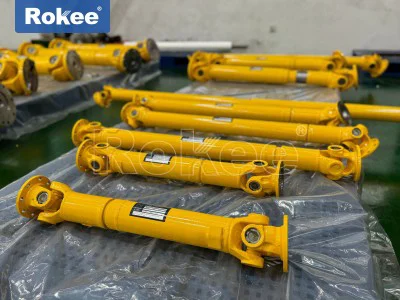
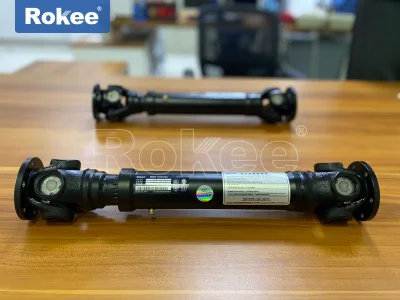
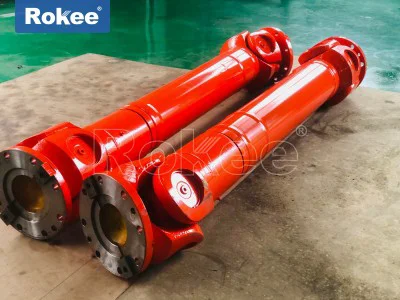
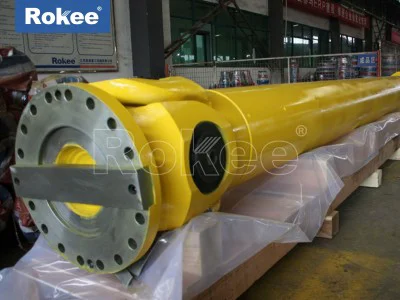
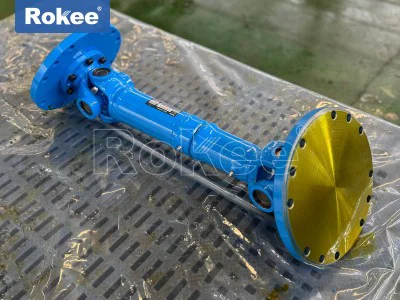
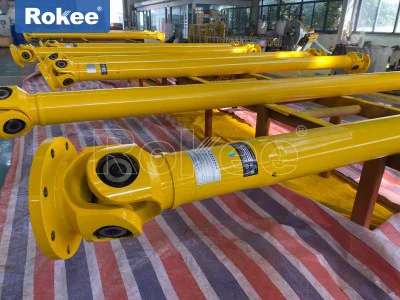
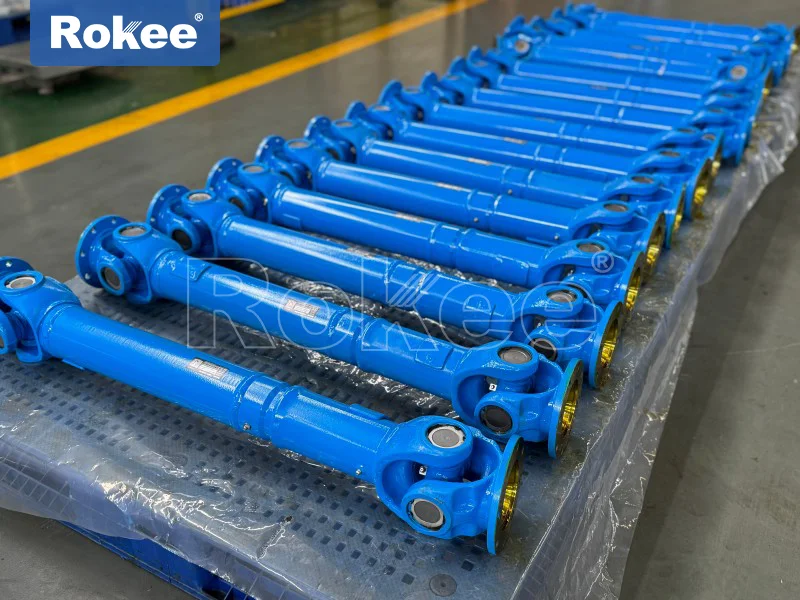
Universal joint couplings, also known as U-joints or cardan joints, are mechanical components specifically designed to connect rotating shafts with inclined axes, enabling the transmission of torque and motion while compensating for angular, radial, and axial misalignment. The basic structure of a universal joint coupling consists of two yokes connected by a cross-shaped intermediate member, often referred to as a spider, which is equipped with needle bearings to reduce friction and ensure smooth rotation. This simple yet robust design allows universal joint couplings to handle significant angular misalignment—typically up to 45 degrees, with optimal performance in the range of 25 to 35 degrees—without affecting the stability of torque transmission. Unlike rigid couplings, which demand precise alignment and are prone to damage under misaligned conditions, universal joint couplings introduce controlled flexibility into the transmission system, effectively absorbing the stress caused by misalignment and reducing the wear of connected components.
One of the primary ways in which universal joint couplings reduce maintenance costs is by minimizing the wear and tear of key components in the PUR sandwich panel production line. In traditional transmission systems using rigid couplings, even a small degree of misalignment can lead to uneven force distribution on the shafts and bearings, resulting in premature wear. For example, in the uncoiling and forming section of the production line, the uncoiling machine and roll forming machine need to maintain synchronous operation to ensure the uniformity of the panel surface. If the shafts connecting these two machines are misaligned, rigid couplings will transfer the resulting stress to the shaft bearings, causing them to overheat, wear out quickly, and require frequent replacement. In contrast, universal joint couplings can compensate for this misalignment effectively, ensuring that the torque is transmitted smoothly and evenly, thereby reducing the stress on the shafts, bearings, and other mechanical parts. This reduction in wear extends the service life of these components, reducing the frequency of maintenance and replacement, and thus lowering the associated costs.
Another significant advantage of universal joint couplings is their high torque transmission capacity and durability, which further contributes to cost reduction. PUR sandwich panel production lines often involve heavy-duty operations, with large torque required to drive the uncoiling of metal coils, the forming of surface materials, and the operation of foam injection systems. Universal joint couplings are constructed from high-grade steel components using precision manufacturing techniques, giving them exceptional strength and the ability to withstand high torque loads without deformation or failure. Unlike flexible couplings made of elastomeric materials, which may degrade under heavy loads or harsh operating conditions, universal joint couplings maintain their structural integrity even in demanding environments. This durability means that they require minimal maintenance over their service life, reducing the need for frequent inspections and replacements. For example, in the foam casting and laminating section, where the equipment operates under high pressure and continuous load, universal joint couplings can maintain stable performance for extended periods, avoiding the costs associated with unexpected failures and emergency maintenance.
The versatility and adaptability of universal joint couplings also play a crucial role in reducing maintenance costs for PUR sandwich panel production lines. These couplings are compatible with a wide range of equipment and can be easily integrated into different sections of the production line, from the uncoiling system to the cutting and stacking devices. Their compact design makes them suitable for applications where space is limited, eliminating the need for costly modifications to the production line layout. Additionally, universal joint couplings can accommodate changes in operating conditions, such as variations in speed and load, without compromising performance. This adaptability reduces the risk of component failure due to changes in production requirements, ensuring that the production line operates stably even when processing different types of PUR sandwich panels or adjusting production parameters. For instance, when switching between different core material types or surface layers, the transmission system equipped with universal joint couplings can adapt to the resulting changes in torque and speed, avoiding the need for recalibration or component replacement, which would otherwise increase maintenance costs.
Furthermore, universal joint couplings simplify maintenance procedures and reduce labor costs. Unlike complex precision couplings that require specialized tools and skilled technicians for installation and maintenance, universal joint couplings have a simple structure that is easy to disassemble, inspect, and maintain. Routine maintenance of universal joint couplings typically involves only regular lubrication and visual inspections to check for signs of wear or damage. This can be performed by ordinary maintenance personnel without the need for extensive training or specialized equipment, reducing the labor cost associated with maintenance. In contrast, traditional rigid couplings or complex flexible couplings often require precise alignment during installation and maintenance, which is time-consuming and labor-intensive. For example, when a rigid coupling needs to be replaced, the entire shaft system must be disassembled and realigned, which can take several hours or even days, leading to prolonged production downtime. Universal joint couplings, on the other hand, can be replaced quickly and easily, minimizing downtime and ensuring that the production line returns to operation as soon as possible.
The reduction in production downtime is another key factor in how universal joint couplings lower maintenance costs. In the PUR sandwich panel production industry, downtime is extremely costly, as it not only results in lost production output but also increases labor costs, energy consumption, and the risk of material waste. Traditional transmission systems using rigid couplings are prone to frequent breakdowns due to misalignment and component wear, leading to frequent production interruptions. Universal joint couplings, with their ability to compensate for misalignment and their high durability, significantly reduce the frequency of breakdowns, ensuring that the production line operates continuously for longer periods. Even when maintenance is required, the simple structure of universal joint couplings allows for quick repairs or replacements, minimizing the duration of downtime. For example, if a universal joint coupling shows signs of wear, it can be replaced in a matter of hours, whereas replacing a damaged rigid coupling or bearing in a traditional system may take much longer. This reduction in downtime directly translates to cost savings for enterprises, as they can maximize production output and avoid the losses associated with interrupted operations.
It is also important to note that universal joint couplings contribute to energy efficiency in PUR sandwich panel production lines, which indirectly reduces maintenance costs. The smooth transmission of torque by universal joint couplings minimizes energy loss, as there is less friction and stress in the transmission system. This not only reduces energy consumption but also reduces the heat generated during operation, which can cause damage to components such as bearings and seals. By reducing heat buildup, universal joint couplings extend the service life of these components, further reducing the need for maintenance and replacement. Additionally, the energy efficiency of the transmission system reduces the overall operational costs of the production line, making the enterprise more competitive in the market.
To fully realize the cost-saving benefits of universal joint couplings, it is essential to select the appropriate type and size of coupling for the specific requirements of the PUR sandwich panel production line. Different types of universal joint couplings, such as standard cardan joints, double cardan joints, and constant velocity joints, have different performance characteristics and are suitable for different applications. For example, double cardan joints are ideal for applications where high precision and constant velocity transmission are required, such as in the cutting section of the production line, where precise cutting lengths are critical. Standard cardan joints, on the other hand, are more suitable for general-purpose applications where angular misalignment is moderate. By selecting the right coupling for each section of the production line, enterprises can ensure optimal performance, minimize wear, and further reduce maintenance costs. Additionally, proper installation and regular maintenance, such as lubrication and inspection, are essential to maximize the service life of universal joint couplings and ensure their continued contribution to cost reduction.
In conclusion, universal joint couplings play a pivotal role in reducing the maintenance cost of PUR sandwich panel production lines through their unique structural design and functional advantages. By effectively compensating for shaft misalignment, minimizing component wear, providing high durability and torque transmission capacity, simplifying maintenance procedures, reducing production downtime, and improving energy efficiency, these couplings bring significant economic benefits to enterprises. In the competitive landscape of PUR sandwich panel manufacturing, where cost control and operational efficiency are paramount, the adoption of universal joint couplings is a practical and effective measure to enhance competitiveness. As industrial technology continues to advance, the design and performance of universal joint couplings will continue to improve, further contributing to the optimization of production processes and the reduction of maintenance costs for PUR sandwich panel production lines. Enterprises that recognize the value of universal joint couplings and integrate them into their production systems will be better positioned to achieve long-term sustainable development and success in the industry.