Universal Joint Coupling Drive Shaft
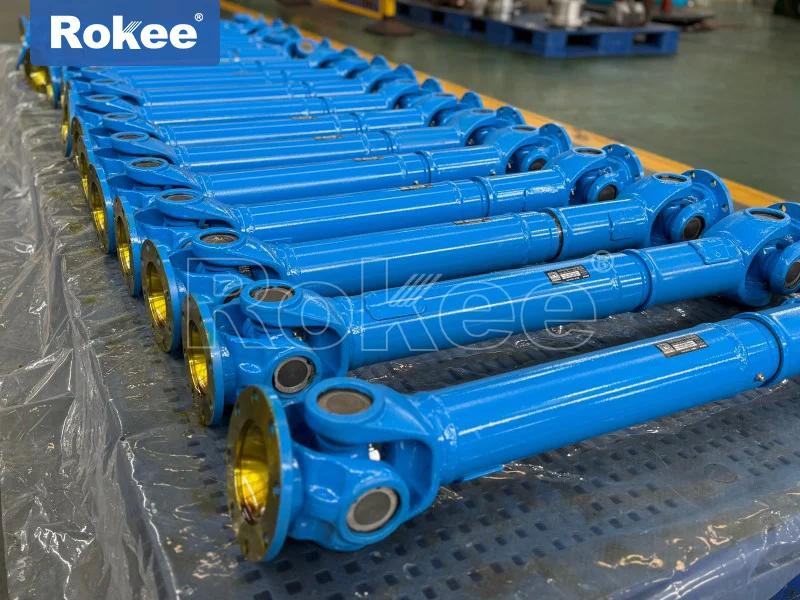
Universal joint coupling drive shafts are indispensable flexible power transmission components widely deployed in mechanical systems that require adaptive torque and motion transfer between misaligned rotating shafts. Serving as a core connecting unit between power sources and execution mechanisms, this integrated assembly combines the flexible deflection capability of universal joints and the long-distance transmission function of drive shafts, effectively solving the mechanical transmission challenges caused by angular deviation, axial displacement, and spatial position changes of shaft systems. Unlike rigid shaft connections that demand precise coaxial alignment, this mechanical structure can maintain continuous and stable power output under dynamic operating angles, adapting to complex working conditions with frequent structural deformation and position fluctuation. It is extensively applied in mobile machinery, industrial transmission equipment, and various power drive systems, delivering reliable transmission performance while reducing mechanical vibration and structural wear. Its simple structural logic, strong environmental adaptability, and excellent load-bearing flexibility make it a fundamental component to ensure the normal operation of diversified mechanical power systems.
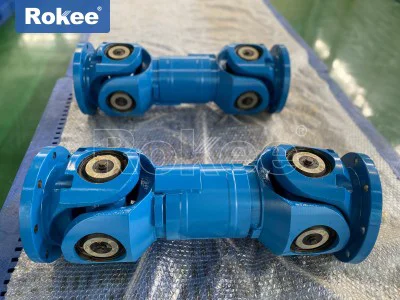
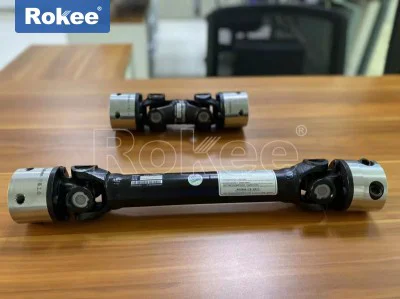
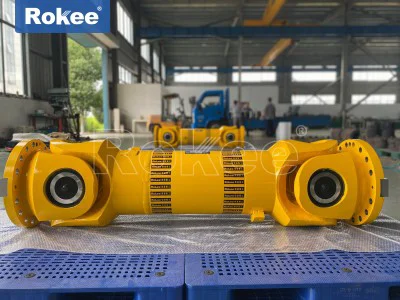
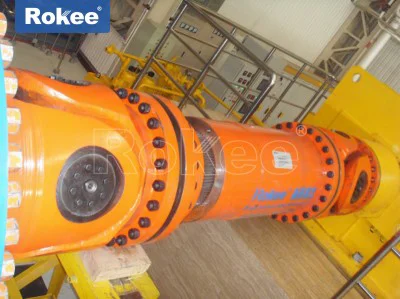
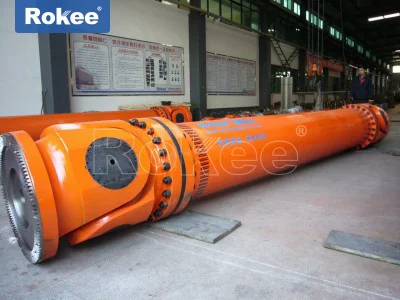
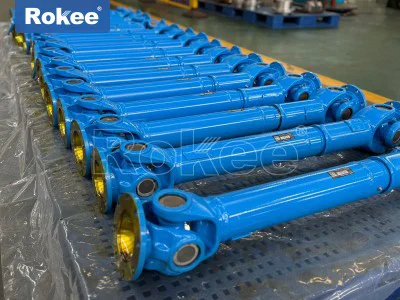
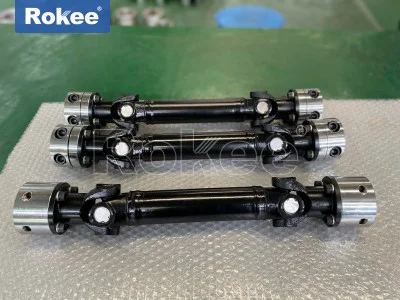
The structural composition of universal joint coupling drive shafts follows a precise and practical mechanical design logic, with each core component coordinating closely to realize flexible power transmission. The basic assembly mainly includes driving and driven yokes, cross-shaped shaft spiders, precision bearing sets, integrated shaft bodies, and auxiliary sealing and lubrication structures. The fork-shaped yokes are fixed to the input and output shafts respectively, forming the connecting carrier for power input and output. The cross shaft, as the central pivot component, penetrates the bearing holes of the two yokes, creating two mutually perpendicular rotating hinge structures that support multi-directional angular deflection during operation. The tubular or solid shaft body connects the universal joint assemblies at both ends, undertaking long-distance torque transmission and structural connection tasks. High-precision bearings installed at the matching positions of the cross shaft and yokes effectively reduce rotational friction and mechanical resistance, ensuring flexible rotation of the joint. Meanwhile, built-in sealing gaskets and lubrication cavities can isolate external dust, moisture, and debris, and retain lubricating oil for a long time, which significantly delays component aging and maintains the structural flexibility of the universal joint. Every structural detail is optimized for dynamic working conditions, laying a solid foundation for stable and durable power transmission.
The working principle of universal joint coupling drive shafts is derived from spatial linkage kinematics and torsional mechanics, enabling adaptive power transmission under non-coaxial operating states. When the power input end drives the driving yoke to rotate, the torque and rotational motion are transmitted to the cross shaft through the bearing assembly. Driven by the cross shaft’s pivoting motion around two perpendicular axes, the driven yoke and the connected output shaft synchronously rotate, realizing continuous power transfer between misaligned shafts. In the working process, the universal joint can automatically adjust the spatial angle according to the relative position change of the input and output shafts, tolerating a certain range of angular deviation and tiny axial displacement. Even when the connected mechanical structures produce regular jitter or position offset due to operation vibration, the flexible hinge structure of the universal joint can buffer and offset the structural stress, avoiding rigid torque loss or mechanical stuck failure. The coordinated movement of multiple components ensures that the rotational speed and torque can be stably output without obvious fluctuation within the allowable deflection range, adapting to the dynamic and variable working environments that rigid transmission structures cannot cope with.
The core performance advantages of universal joint coupling drive shafts are reflected in their excellent misalignment adaptability, stable load-bearing capacity and outstanding mechanical buffering performance. The most prominent feature is the ability to achieve efficient power transmission under angular misalignment, breaking through the limitation that traditional rigid shaft couplings can only work under precise coaxial conditions. This flexible transmission characteristic allows the equipment to retain normal transmission efficiency even when the installation position has deviation or the working structure produces displacement. In terms of load bearing, the integrated structural design can withstand continuous torsional load and intermittent impact load, adapting to stable operation under high-speed rotation and heavy-load working conditions. Additionally, the hinge movement of the universal joint can effectively absorb part of the mechanical vibration and impact force generated during equipment operation, reducing the vibration conduction between the power source and the executing mechanism. This not only optimizes the overall operating stability of the mechanical system but also reduces the abrasion loss of connecting parts, extending the service life of the entire transmission system and lowering daily operation and maintenance costs.
Universal joint coupling drive shafts cover a wide range of application scenarios, serving as a key transmission component for various mobile and industrial mechanical equipment. In transportation machinery, they are used in vehicle power transmission systems to connect engines, gearboxes and drive axles, adapting to the up and down displacement of the axle caused by suspension vibration during driving, ensuring uninterrupted power output of the vehicle. In agricultural machinery, they match the power transmission needs of field operation equipment such as harvesters and tillers, adapting to complex terrain changes and frequent attitude adjustment of mechanical arms. In engineering machinery, they are applied to cranes, excavators and mobile construction equipment, stably transmitting power under frequent deflection and impact working conditions. In general industrial manufacturing, they are used in assembly lines, transmission equipment and large mechanical transmission systems to solve the power transmission problem of spatially offset shaft systems. The strong environmental adaptability enables it to work stably in harsh working environments such as dust, humidity and variable temperature, meeting the diversified power transmission needs of different industries.
Material selection and manufacturing craftsmanship directly determine the service performance and durability of universal coupling drive shafts. High-strength alloy materials are mostly adopted for core load-bearing components such as cross shafts and yokes, which have excellent torsional resistance, wear resistance and structural rigidity, and can resist long-term mechanical fatigue and impact damage. The shaft body is usually made of high-quality carbon steel or alloy steel, processed by precision forging and seamless molding technology to ensure uniform structural stress distribution and avoid deformation or fracture under high-load operation. The bearing components adopt high-precision wear-resistant materials, with surface strengthening treatment to reduce friction loss and improve rotational flexibility. In the manufacturing process, precision machining and fine assembly processes are used to control the matching gap between components, ensuring the flexibility and stability of hinge movement. Meanwhile, surface anti-corrosion and anti-oxidation treatments are carried out on the overall structure to adapt to complex working environments and prevent component rust and aging. Scientific material matching and sophisticated manufacturing technology ensure that the drive shaft assembly maintains stable performance in long-term continuous operation.
Daily maintenance and fault prevention are crucial to prolonging the service life and maintaining the working efficiency of universal joint coupling drive shafts. Regular lubrication maintenance is the most basic and key link, as sufficient lubricating oil can reduce the friction loss of bearings and hinge structures, avoid dry wear and abnormal noise, and ensure flexible rotation of the universal joint. It is necessary to regularly check the sealing performance of the assembly to prevent lubricating oil leakage and external impurities from entering the internal structure, which may cause component abrasion and transmission jitter. In the daily operation process, attention should be paid to avoiding long-term overload operation and excessive deflection use, as exceeding the allowable load and angle range will easily cause structural deformation, torsional fatigue and even component damage. Regular inspection of the connection tightness of each component can prevent loose assembly from causing transmission vibration and power loss. Timely replacement of worn aging parts and regular cleaning of internal dirt can effectively reduce equipment failure rate, ensure long-term stable and efficient operation of the universal joint coupling drive shaft, and improve the overall reliability of the mechanical transmission system.
With the continuous upgrading of mechanical manufacturing technology, universal drive shafts are evolving towards high precision, high durability and lightweight optimization. Modern design concepts continuously optimize the structural proportion of components, reduce redundant structural weight on the premise of ensuring load-bearing performance, and improve the dynamic response speed and operation flexibility of the transmission system. The application of new high-strength and wear-resistant materials further enhances the component’s fatigue resistance and environmental adaptability, adapting to higher speed and heavier load industrial working conditions. Intelligent processing and precision assembly technology effectively improve the overall matching accuracy of the assembly, reduce transmission error and vibration noise, and realize more efficient and stable power transmission. At the same time, the integrated and modular design simplifies the installation, disassembly and maintenance process, improves the convenience of equipment use. As a core flexible transmission component, the universal joint coupling drive shaft will continue to be optimized and iterated with the development of mechanical industry, providing more reliable technical support for the upgrading of various mechanical power transmission systems.