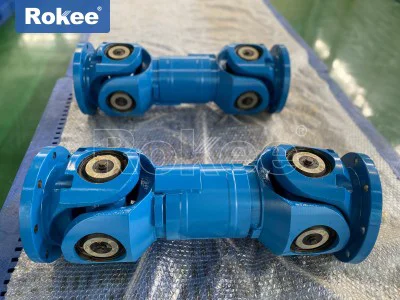
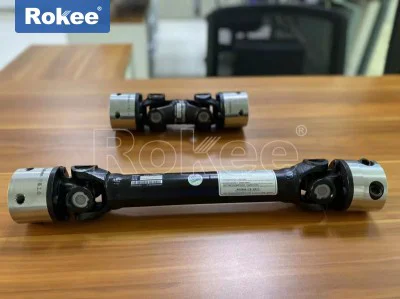
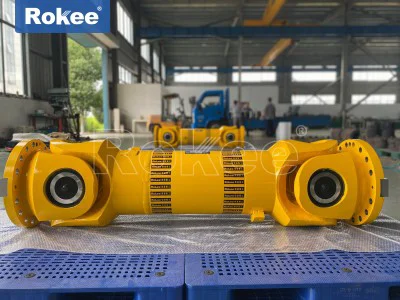
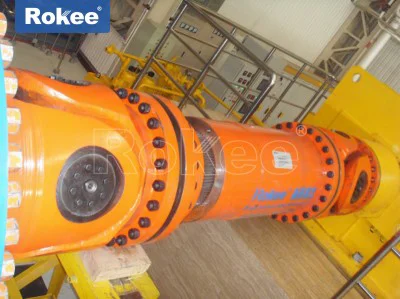
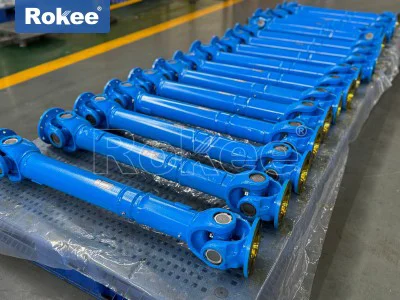
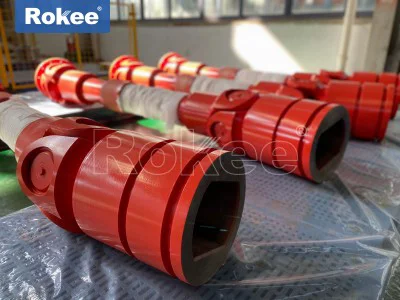
SWC-BH Cardan Shaft
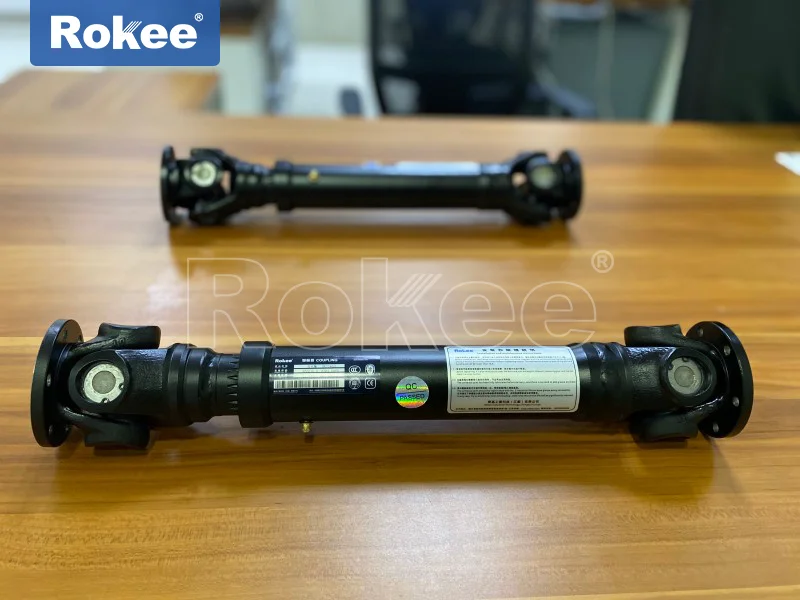
SWC-BH cardan shaft is a key component in modern industrial transmission systems, designed to meet the requirements of high torque, high speed, and complex angle transmission.
Core Features
High strength alloy material: Made of high-quality alloy steel forging and subjected to special heat treatment process, the product has extremely high torsional strength and wear resistance, with a bearing capacity that is more than 30% higher than ordinary cardan shafts.
Precision Bearing System: Equipped with high-precision needle roller bearings and a unique lubrication structure design, it ensures smooth operation at high speeds, reducing vibration and noise.
Modular design: Standardized interface dimensions and modular construction enable SWC-BH universal shafts to be quickly replaced and repaired, significantly reducing equipment maintenance costs.
Advanced sealing technology: The multiple sealing protection design effectively prevents external pollutants from entering and internal lubricant leakage, making it particularly suitable for harsh working environments.
Angle compensation capability: The working angle can reach 15-25 degrees, which can effectively compensate for equipment installation deviation and displacement during operation.
Application field
Metallurgical industry: power transmission for heavy equipment such as rolling mills, continuous casting machines, straightening machines, etc
Mining machinery: ball mills, crushers, conveying equipment, etc
Construction machinery: cranes, excavators, concrete pump trucks, etc
Shipbuilding industry: power connections for propulsion systems and deck machinery
Wind power generation: Wind turbine transmission system
Petrochemical Industry: Power Transmission of Large Compressors and Pumps
The selection of a suitable SWC-BH cardan shaft requires consideration of the following key factors:
Torque requirement: Select the corresponding specifications based on the torque required to be transmitted by the equipment
Speed requirements: Different models have their applicable speed ranges
Work perspective: Consider the possible angle deviation that may occur during equipment operation
Environmental conditions: Factors such as temperature, humidity, and corrosiveness affect the selection of materials and seals
Installation space: The connection form and external dimensions of the shaft end need to match the equipment