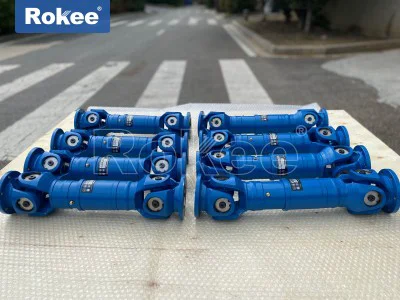
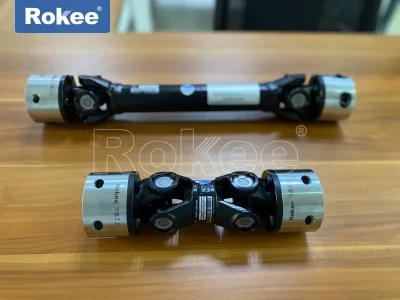
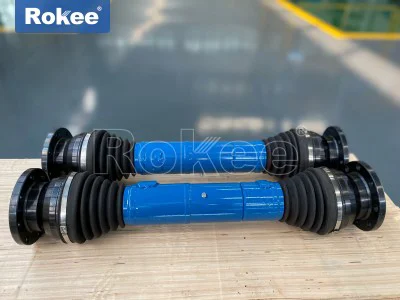
Telescopic Cardan Shafts
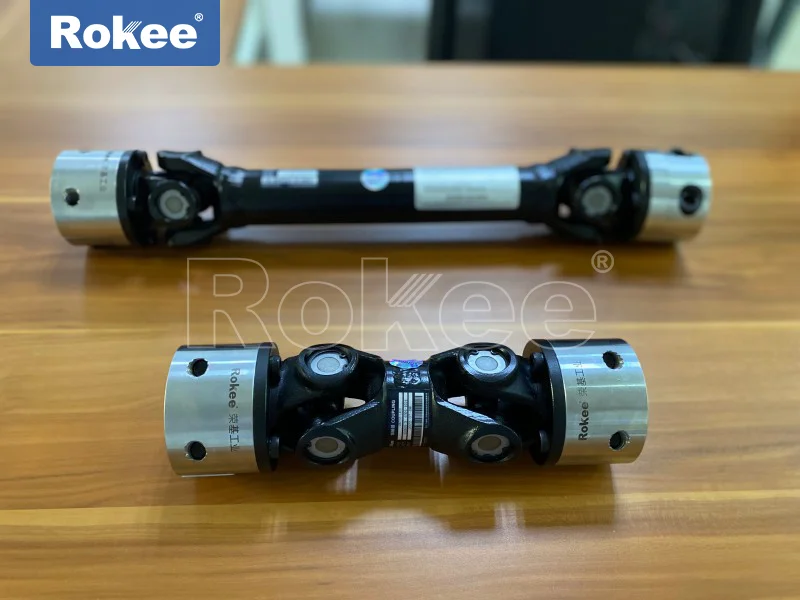
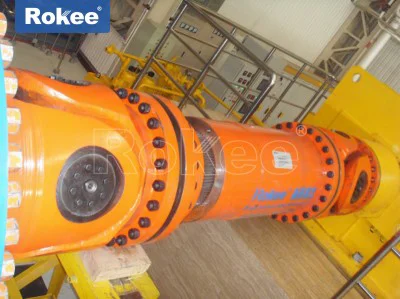
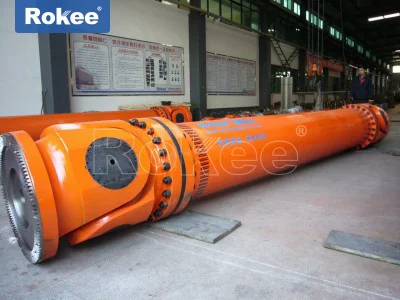
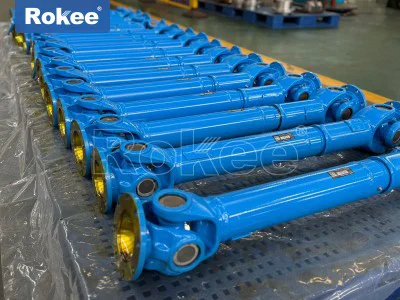
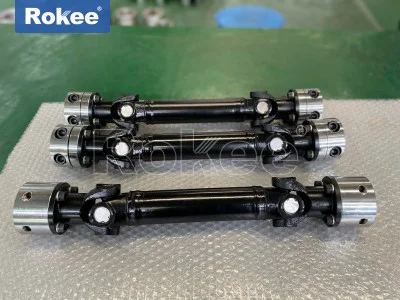
A telescopic cardan shaft is a mechanical transmission device that combines cardan shafts and telescopic functions, capable of transmitting power in the presence of angular displacement and axial displacement between shafts. This device is widely used in transmission systems that require compensation for axial displacement and angular deviation.
The telescopic cardan shaft mainly consists of the following key components:
cardan shaft section: usually adopts a cross axis or ball cage structure, allowing for a certain degree of angular deviation between the two axes
Expansion slide sleeve: achieves axial expansion and contraction function through spline or groove structure
Sealing system: prevent lubricant leakage and contamination from entering
Lubrication device: Ensure smooth operation of all moving parts
The working principle is based on two independent but collaborative functions: the cardan shaft compensates for angular deviation, and the telescopic mechanism compensates for axial displacement. The combination of the two enables the transmission system to adapt to complex working conditions.
Main types and classifications
According to the type of cardan shaft:
Cross axis telescopic cardan shaft
Ball cage telescopic cardan shaft
Trident telescopic cardan shaftDivided by expansion structure:
Spline type expansion structure
Slot type expansion structure
Sleeve type expansion structureClassified by application field:
Industrial telescopic cardan shaft
Automotive telescopic cardan shaft
Marine telescopic cardan shaft
Engineering machinery telescopic cardan shaft
Application field
Automotive Industry: Transmission Shaft Systems, Especially for 4WD Vehicles and Commercial Vehicles
Construction machinery: excavators, loaders, cranes, etc
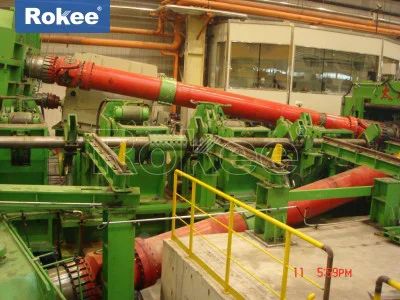
Steel metallurgy: equipment such as rolling mills and continuous casting machines
Shipbuilding industry: propulsion shaft system
Wind power generation: yaw and pitch control system
Aerospace: Auxiliary Power Systems