PU Sandwich Panel Machine With Universal Shaft For Smoother Operation
In the dynamic landscape of modern industrial manufacturing, the demand for efficient, reliable, and high-performance production equipment continues to grow, especially in the field of composite material processing. PU sandwich panels have emerged as a versatile and essential material in various industries, including construction, cold storage, industrial warehouses, and modular housing, thanks to their exceptional thermal insulation, structural integrity, lightweight nature, and durability. The production of these high-quality panels relies heavily on advanced machinery, and among the key innovations that have elevated the efficiency and stability of PU sandwich panel production is the integration of a universal shaft into the machine design. This component plays a pivotal role in ensuring smoother operation, reducing downtime, and enhancing the overall quality of the finished products, making it a critical feature for manufacturers seeking to optimize their production processes.
PU sandwich panels consist of two outer facing materials, typically metal sheets such as galvanized steel or aluminum, bonded to a core of polyurethane foam. The production process requires precise coordination between multiple components of the machine, including uncoiling systems, forming units, foam mixing and dispensing mechanisms, heating and cooling systems, and cutting devices. Each of these components must operate in perfect synchronization to ensure that the facing materials are properly formed, the foam core is uniformly distributed and cured, and the final panels are cut to the required dimensions with high accuracy. Any disruption or inconsistency in the operation of these components can lead to defects in the panels, such as uneven foam density, poor adhesion between the core and facings, surface irregularities, or incorrect dimensions, which can compromise the performance of the panels and increase production waste.
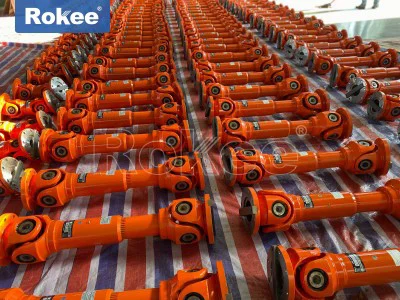
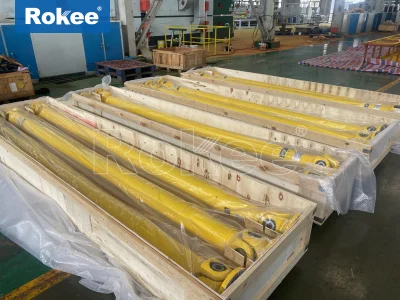
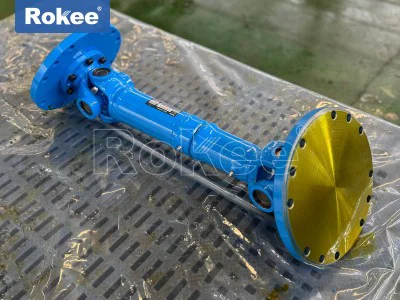
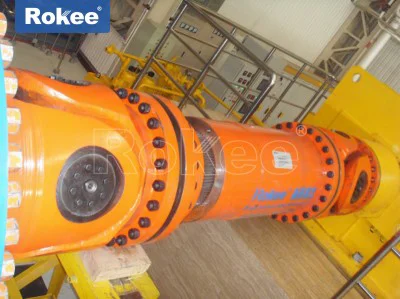
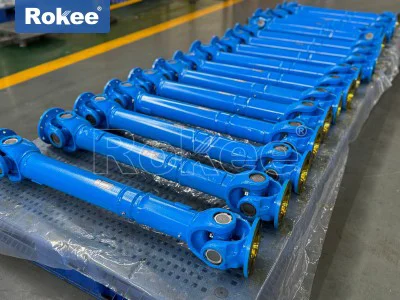
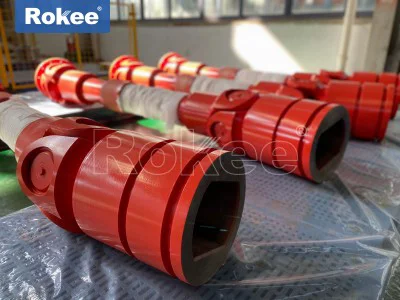
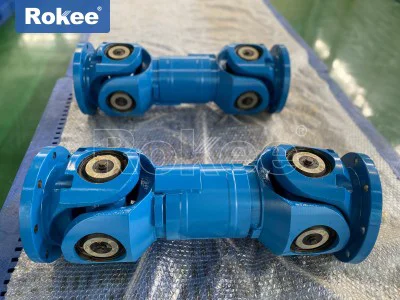
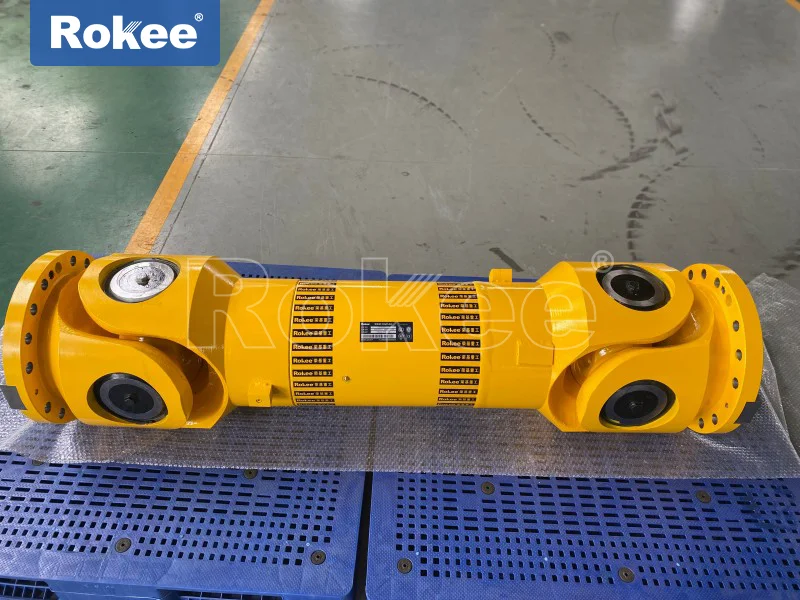
The universal shaft, also known as a cardan shaft, is a mechanical component designed to transmit torque between two shafts that are not perfectly aligned or are subject to relative movement during operation. Unlike traditional rigid shafts, which require precise alignment to function effectively, universal shafts use cross bearings to connect flanges at both ends, allowing for angular compensation of up to 25 degrees or more and axial displacement through spline connections. This flexibility makes them ideal for use in PU sandwich panel machines, where the various components are often positioned at different angles or may experience slight movements due to the high forces and vibrations generated during production. By accommodating misalignment and absorbing vibrations, the universal shaft ensures that torque is transmitted smoothly and efficiently from the motor to the various working parts of the machine, eliminating the stress and wear that would otherwise occur with rigid connections.
One of the primary benefits of integrating a universal shaft into a PU sandwich panel machine is the significant reduction in operational vibrations. The production of PU sandwich panels involves high-speed rotation of various components, including the uncoiling rollers, forming rolls, and cutting blades, which can generate substantial vibrations. These vibrations not only affect the smooth operation of the machine but also transfer to the production materials, leading to inconsistencies in the panel quality. For example, excessive vibrations during the foam dispensing process can cause uneven distribution of the polyurethane mixture, resulting in areas of varying density in the core. This can reduce the thermal insulation performance of the panels and make them more prone to damage under load. The universal shaft acts as a damping component, absorbing and dissipating these vibrations, thereby stabilizing the machine’s operation and ensuring that the production process remains consistent.
Another key advantage of the universal shaft is its ability to compensate for misalignment between the motor and the driven components. In large-scale PU sandwich panel machines, the motor is often positioned at a distance from the working units, and slight misalignments can occur due to factors such as installation errors, thermal expansion during operation, or structural settling over time. Without a universal shaft, this misalignment would cause excessive wear on the bearings, gears, and other mechanical parts, leading to frequent breakdowns and increased maintenance costs. The universal shaft’s ability to adjust to these misalignments ensures that the torque is transmitted evenly, reducing stress on the machine’s components and extending their service life. This not only minimizes downtime for maintenance and repairs but also lowers the overall operational costs for manufacturers.
Smoother operation, facilitated by the universal shaft, also translates to higher production efficiency. When a PU sandwich panel machine operates without interruptions or inconsistencies, it can maintain a steady production speed, allowing manufacturers to produce more panels in a given period. The universal shaft ensures that all components of the machine work in harmony, eliminating bottlenecks that may arise from uneven torque transmission or component misalignment. For example, in the continuous production process, which is widely used for high-volume manufacturing, the universal shaft ensures that the uncoiling, forming, foam dispensing, and cutting processes are synchronized perfectly. This allows the machine to run at optimal speed without the risk of jams or material waste, thereby increasing throughput and reducing production costs per unit.
The quality of the finished PU sandwich panels is also significantly improved by the smoother operation enabled by the universal shaft. Consistent torque transmission ensures that the forming rolls apply uniform pressure to the facing materials, resulting in precise profiles and smooth surfaces. This is particularly important for panels used in architectural applications, where surface appearance and dimensional accuracy are critical. Additionally, the reduced vibrations and stable operation during the foam curing process ensure that the polyurethane core is evenly distributed and properly bonded to the facing materials, enhancing the structural strength and thermal insulation performance of the panels. Panels produced with machines equipped with universal shafts are less likely to have defects such as delamination, warping, or uneven thickness, making them more reliable and durable for their intended applications.
The integration of a universal shaft also enhances the versatility of PU sandwich panel machines. These machines are often required to produce panels of varying sizes, thicknesses, and configurations to meet the diverse needs of different industries. The universal shaft’s flexibility allows the machine to adapt to changes in production parameters without compromising performance. For example, when adjusting the thickness of the foam core or the type of facing material, the universal shaft ensures that the torque is transmitted correctly to the relevant components, maintaining smooth operation even during transitions between different production settings. This versatility makes the machine more adaptable to changing market demands, allowing manufacturers to expand their product range and cater to a wider customer base.
In addition to the operational benefits, the universal shaft also contributes to the safety of the PU sandwich panel machine. The smooth operation and reduced vibrations minimize the risk of mechanical failures, which can pose safety hazards to operators. For example, a sudden breakdown due to excessive stress on a rigid shaft could lead to flying debris or unexpected machine movements, endangering the safety of nearby personnel. The universal shaft’s ability to absorb vibrations and compensate for misalignment reduces the likelihood of such failures, creating a safer working environment. Furthermore, the extended service life of the machine’s components means that there are fewer instances of unplanned maintenance, which can also reduce the risk of accidents during repair work.
To fully leverage the benefits of the universal shaft, it is important to ensure proper installation and maintenance. During installation, the universal shaft must be aligned correctly with the motor and the driven components to maximize its performance. Regular maintenance, including lubrication of the bearings and inspection of the spline connections, is also essential to prevent wear and ensure smooth operation. Proper lubrication reduces friction between the moving parts of the universal shaft, extending its service life and maintaining its ability to transmit torque efficiently. Regular inspections can also identify potential issues, such as worn bearings or damaged splines, before they lead to machine breakdowns.
The role of the universal shaft in PU sandwich panel machines is becoming increasingly important as the demand for high-quality, efficient production continues to grow. With the global focus on sustainable and energy-efficient building materials, PU sandwich panels are expected to remain in high demand, driving the need for advanced production machinery. The universal shaft, with its ability to ensure smoother operation, reduce downtime, and enhance product quality, is a key component that enables manufacturers to meet these demands. By integrating this component into their machines, manufacturers can improve their operational efficiency, reduce costs, and produce panels that meet the highest standards of performance and durability.
In the evolving landscape of industrial manufacturing, the continuous improvement of production equipment is essential for staying competitive. The integration of the universal shaft into PU sandwich panel machines is a prime example of how small mechanical innovations can have a significant impact on overall performance. As technology advances, it is likely that further improvements will be made to the design and functionality of universal shafts, making them even more effective in ensuring smooth operation and enhancing the capabilities of PU sandwich panel machines. Whether used in large-scale industrial production facilities or smaller custom manufacturing operations, the universal shaft remains a critical component that contributes to the success of PU sandwich panel production.
Another aspect to consider is the adaptability of the universal shaft to different operating conditions. PU sandwich panel machines are often used in a variety of environments, from controlled factory settings to outdoor construction sites, where temperature fluctuations, dust, and humidity can affect machine performance. The universal shaft’s robust design, with its durable bearings and corrosion-resistant materials, ensures that it can operate reliably in these diverse conditions. This durability makes it suitable for use in harsh industrial environments, where other components might fail prematurely. The ability to withstand these conditions further enhances the machine’s reliability and reduces maintenance requirements, making it a cost-effective solution for manufacturers.
Furthermore, the universal shaft’s contribution to energy efficiency should not be overlooked. By ensuring smooth torque transmission and reducing friction, the universal shaft helps to minimize energy loss during operation. This is particularly important in large-scale production facilities, where energy costs can be a significant expense. The reduced energy consumption not only lowers operational costs but also aligns with the global push for more sustainable manufacturing practices. By using machines equipped with universal shafts, manufacturers can reduce their carbon footprint and contribute to a more environmentally friendly production process.
In conclusion, the integration of a universal shaft into PU sandwich panel machines is a crucial innovation that enhances the smoothness, efficiency, and reliability of the production process. By compensating for misalignment, absorbing vibrations, and ensuring consistent torque transmission, the universal shaft reduces downtime, improves product quality, and lowers operational costs. As the demand for high-quality PU sandwich panels continues to grow across various industries, the importance of the universal shaft in ensuring optimal machine performance will only increase. Manufacturers who invest in machines equipped with this essential component will be better positioned to meet market demands, improve their competitiveness, and achieve long-term success in the dynamic world of industrial manufacturing. The universal shaft is more than just a mechanical component; it is a key enabler of efficient, high-quality production, helping to shape the future of composite material manufacturing.