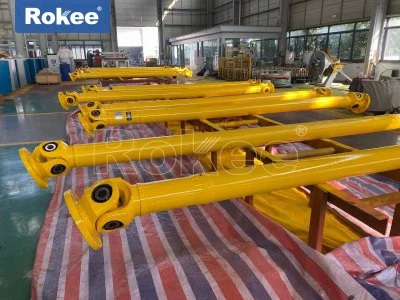
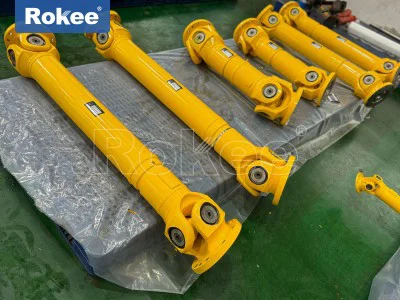
Collaborative Design Of Universal Coupling And Transmission System Of PU Sandwich Panel Line
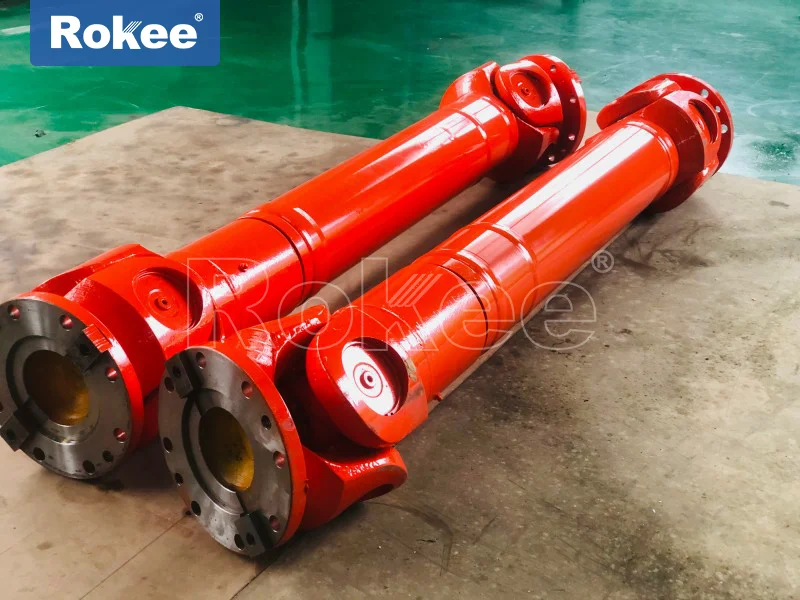
In the modern manufacturing industry, the continuous and efficient operation of production lines is crucial to improving production efficiency, reducing energy consumption, and ensuring product quality. The PU sandwich panel, as a new type of building material with excellent thermal insulation, sound insulation, and load-bearing performance, has been widely used in construction, refrigeration, and other fields. The PU sandwich panel line is a complex integrated system that involves multiple links such as uncoiling, forming, preheating, foaming, curing, cutting, and stacking, and the transmission system is the core component that drives the stable operation of each link. As an important part of the transmission system, the universal coupling undertakes the task of transmitting torque between shafts with angular deviation or axial displacement, and its performance directly affects the overall operation stability and reliability of the transmission system. Therefore, the collaborative design of the universal coupling and the transmission system of the PU sandwich panel line is of great practical significance to solve the problems of poor coordination, low transmission efficiency, and frequent failures in the traditional design mode, and to promote the high-quality development of the PU sandwich panel manufacturing industry.
The PU sandwich panel line usually adopts a continuous production mode to meet the needs of large-scale and high-efficiency production. The transmission system of the production line needs to drive multiple functional components to operate synchronously, including uncoilers, roll forming machines, preheating devices, foaming systems, double-belt conveyors, cutting machines, and stacking equipment. Each component has different working requirements for torque, speed, and stability. For example, the roll forming machine needs a stable and uniform torque output to ensure the forming accuracy of the panel surface; the double-belt conveyor requires a constant speed transmission to avoid uneven foaming caused by the inconsistent movement of the upper and lower surface layers; the cutting machine needs an instantaneous large torque to complete the rapid cutting of the formed PU sandwich panel without damaging the panel structure. The traditional design mode often adopts a serial design method, that is, the transmission system is designed first, and then the universal coupling is selected according to the parameters of the transmission system. This design method ignores the mutual influence and coordination between the universal coupling and the transmission system, which easily leads to problems such as mismatched parameters, poor operation stability, and low transmission efficiency. For example, if the angular compensation capacity of the selected universal coupling does not match the angular deviation of the transmission shaft in the transmission system, it will cause additional torque and vibration during the transmission process, accelerate the wear of the coupling and the transmission shaft, and even lead to the failure of the entire transmission system in severe cases. Therefore, it is necessary to adopt a collaborative design concept to integrate the design of the universal coupling and the transmission system, consider their mutual constraints and coordination relationships in the early stage of design, and realize the optimal matching of parameters and performance.
Before carrying out the collaborative design, it is necessary to fully analyze the working characteristics of the PU sandwich panel line and the functional requirements of the transmission system and the universal coupling. The PU sandwich panel line operates continuously for a long time, and the working environment is often accompanied by dust, temperature changes, and vibration, which puts forward high requirements for the wear resistance, corrosion resistance, and stability of the transmission system and the universal coupling. The transmission system needs to have the characteristics of high transmission efficiency, stable speed regulation, and strong load-bearing capacity to ensure the synchronous operation of each component. The universal coupling, as a key connecting component, needs to have good angular compensation capacity, torque transmission capacity, and fatigue resistance to compensate for the angular deviation and axial displacement caused by manufacturing errors, installation errors, and thermal deformation during the operation of the transmission system. In addition, the collaborative design also needs to consider the energy consumption of the system. Under the premise of ensuring the operation performance, reducing the energy loss in the transmission process is an important goal of the collaborative design. The energy loss of the transmission system is mainly caused by friction, vibration, and parameter mismatch, and the structural design and material selection of the universal coupling have a significant impact on the energy loss. For example, the selection of high-quality lubricating materials and the optimization of the coupling structure can reduce the friction loss between the components, thereby improving the energy utilization rate of the entire transmission system.
The core of the collaborative design of the universal coupling and the transmission system of the PU sandwich panel line is the parameter matching and structural optimization. The parameter matching mainly involves the matching of torque, speed, angular compensation, and other parameters between the universal coupling and the transmission system. First, according to the working load of each component in the PU sandwich panel line, the total torque required by the transmission system is calculated, and the torque transmission capacity of the universal coupling is determined based on this. The torque transmission capacity of the universal coupling should be slightly higher than the maximum torque required by the transmission system to ensure that it can work stably under extreme working conditions without torque overload. At the same time, the speed range of the universal coupling should match the speed of the transmission shaft to avoid resonance caused by the inconsistency of the speed range, which affects the operation stability of the system. The angular compensation capacity of the universal coupling is another key parameter that needs to be matched. The transmission shaft of the PU sandwich panel line will inevitably produce angular deviation due to installation errors and thermal deformation during operation. The angular compensation capacity of the universal coupling should be able to fully compensate for this deviation, and the compensation angle should be within the allowable range of the coupling to ensure the smooth transmission of torque. In addition, the axial displacement compensation capacity of the universal coupling also needs to be considered. The transmission system may produce axial displacement due to temperature changes and load changes, and the universal coupling should have a certain axial compensation capacity to avoid the generation of additional axial force, which affects the service life of the transmission components.
In the process of parameter matching, it is necessary to establish a mathematical model of the transmission system and the universal coupling to simulate and analyze the operation state of the system. Through the mathematical model, the torque, speed, vibration, and other parameters of the transmission system and the universal coupling under different working conditions can be calculated, and the parameter matching scheme can be optimized. For example, using the finite element analysis method to simulate the stress distribution of the universal coupling under different torque and angular deviation conditions, and optimizing the structural parameters of the coupling according to the simulation results to improve its torque transmission capacity and fatigue resistance. At the same time, the dynamic characteristics of the transmission system are analyzed, and the natural frequency of the system is adjusted by optimizing the parameters of the universal coupling to avoid resonance. The dynamic characteristics of the transmission system include natural frequency, damping ratio, and vibration mode. If the natural frequency of the system is close to the working frequency of the production line, resonance will occur, which will cause severe vibration of the system, accelerate the wear of components, and even lead to system failure. Therefore, in the collaborative design, it is necessary to adjust the natural frequency of the system by optimizing the structural parameters and material selection of the universal coupling, so that it is far away from the working frequency of the production line, ensuring the stable operation of the system.
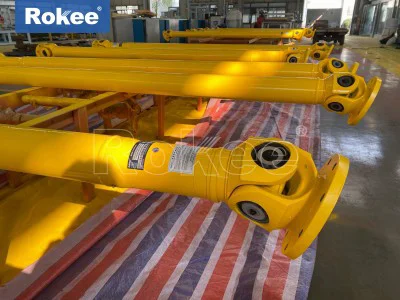
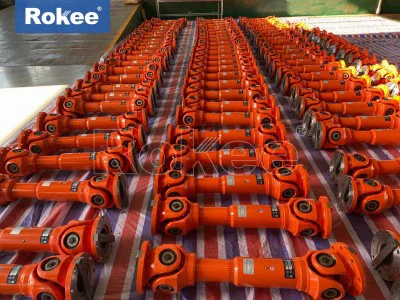
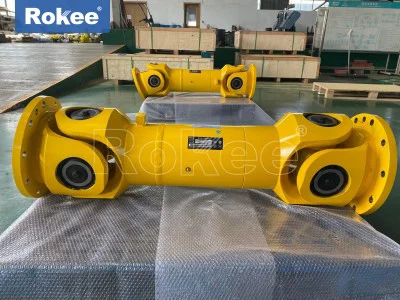
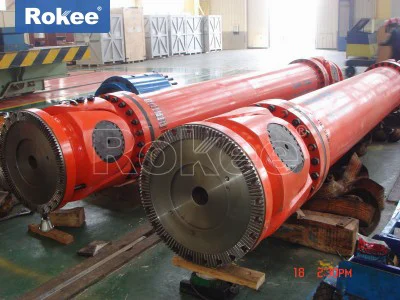
Structural optimization is another important content of the collaborative design. The structural design of the universal coupling and the transmission system not only affects the performance of the system but also affects the installation, maintenance, and service life of the system. For the universal coupling, the common structural types include cross-axis universal coupling, cardan universal coupling, and constant velocity universal coupling. Different structural types have different characteristics and application scenarios. In the PU sandwich panel line, the cross-axis universal coupling is often used because of its simple structure, strong angular compensation capacity, and high torque transmission capacity. However, the single cross-axis universal coupling has the problem of non-constant speed transmission, which will cause vibration and additional load during high-speed operation. Therefore, in the collaborative design, a double cross-axis universal coupling structure can be adopted, that is, two cross-axis universal couplings are installed at both ends of the intermediate shaft, and the installation angles are set to 90 degrees, so as to eliminate the non-constant speed transmission problem and ensure the stable transmission of the system. In addition, the structural optimization of the universal coupling also includes the optimization of the cross shaft, bearing, and fork head. The cross shaft is the core component of the universal coupling, which bears the torque and bending moment during the transmission process. The structural design of the cross shaft should be optimized to improve its strength and stiffness, and high-strength alloy steel materials should be selected to enhance its wear resistance and fatigue resistance. The bearing is an important part that reduces the friction between the cross shaft and the fork head. The selection of the bearing should be based on the working load and speed of the coupling, and the lubrication system should be optimized to ensure the smooth operation of the bearing and extend its service life. The fork head is the component that connects the universal coupling with the transmission shaft. Its structural design should ensure the reliability of the connection, and the transition part should be rounded to avoid stress concentration.
For the transmission system of the PU sandwich panel line, the structural optimization mainly involves the optimization of the transmission chain, the selection of transmission components, and the layout of the system. The transmission chain of the traditional PU sandwich panel line is often long, which leads to large energy loss and low transmission efficiency. In the collaborative design, the transmission chain can be shortened by optimizing the layout of the transmission components, reducing the number of intermediate transmission links, thereby improving the transmission efficiency. For example, the direct transmission mode can be adopted between the motor and the key components to reduce the energy loss caused by the intermediate gearbox and coupling. The selection of transmission components should be based on the working requirements of the system. For example, the gearbox should be selected with high transmission efficiency, stable speed regulation, and strong load-bearing capacity; the transmission shaft should be made of high-strength materials, and its diameter and length should be optimized according to the torque and span to ensure its strength and stiffness. The layout of the transmission system should be reasonable to avoid mutual interference between components, and the installation and maintenance space should be reserved to facilitate the daily maintenance and troubleshooting of the system. In addition, the vibration reduction and noise reduction design of the transmission system should be considered. The vibration and noise generated during the operation of the transmission system not only affect the working environment but also accelerate the wear of components. Therefore, vibration reduction devices such as rubber pads and shock absorbers can be installed at the connection of the transmission components to reduce the vibration transmission; the gear and bearing should be precision machined to reduce the noise generated by friction and meshing.
Material selection is an important part of the collaborative design, which directly affects the performance, service life, and cost of the universal coupling and the transmission system. The material selection should be based on the working environment and working load of the PU sandwich panel line. For the universal coupling, the cross shaft, fork head, and other key components should be made of high-strength alloy steel, such as 40Cr, 45# steel, etc. These materials have high strength, stiffness, and wear resistance, and can withstand large torque and fatigue load. The bearing should be made of high-quality bearing steel, such as GCr15, which has good wear resistance and fatigue resistance. The lubricating oil used in the universal coupling should be selected according to the working temperature and load. For example, in a high-temperature environment, high-temperature resistant lubricating oil should be used to ensure the lubrication effect. For the transmission system, the transmission shaft, gear, and other components should also be made of high-strength alloy steel to ensure their load-bearing capacity and service life. The gear can be surface-hardened to improve its wear resistance and service life. In addition, the material selection should also consider the corrosion resistance of the components. The working environment of the PU sandwich panel line may contain dust, moisture, and other corrosive substances, so the surface of the components should be treated with anti-corrosion, such as galvanizing, painting, etc., to extend their service life.
The collaborative design of the universal coupling and the transmission system also needs to consider the maintainability and operability of the system. The PU sandwich panel line operates continuously for a long time, and the regular maintenance of the transmission system and the universal coupling is crucial to ensure the stable operation of the system. Therefore, in the design process, the structure of the universal coupling and the transmission components should be simplified as much as possible, and the installation and disassembly should be convenient. For example, the universal coupling can adopt a split structure, which is convenient for disassembly and maintenance without removing the entire transmission shaft. The lubrication system of the universal coupling should be designed with a convenient oil injection port and oil drain port to facilitate the replacement of lubricating oil. The transmission system should be equipped with a fault detection device to monitor the operation state of the system in real-time, such as temperature, vibration, and torque, and timely alarm when a fault occurs, so as to facilitate the maintenance personnel to find and solve the problem quickly. In addition, the operability of the system should be considered. The control system of the transmission system should be simple and easy to operate, and the parameters such as speed and torque can be adjusted flexibly according to the production needs, so as to improve the production efficiency and adaptability of the production line.
To verify the feasibility and effectiveness of the collaborative design scheme, it is necessary to carry out experimental tests and simulation verification. The simulation verification can use professional simulation software to model the universal coupling and the transmission system, simulate their operation state under different working conditions, and analyze the parameters such as torque, speed, vibration, and energy consumption. Through simulation verification, the potential problems in the design scheme can be found in time, and the design parameters can be optimized and adjusted. The experimental test can be carried out on the actual PU sandwich panel line. By installing the designed universal coupling and transmission system on the production line, the operation data of the system can be collected and analyzed, and the performance of the system can be evaluated. For example, the transmission efficiency of the system can be tested by measuring the input power and output power of the transmission system; the operation stability of the system can be evaluated by measuring the vibration amplitude and noise of the system; the service life of the components can be tested by long-term operation. Through experimental tests and simulation verification, the collaborative design scheme can be further improved and optimized to ensure that it meets the working requirements of the PU sandwich panel line.
In recent years, with the development of digital technology and intelligent manufacturing, the collaborative design of the universal coupling and the transmission system has also ushered in new development opportunities. The application of digital design technology can realize the parametric design and simulation analysis of the universal coupling and the transmission system, improve the design efficiency and accuracy, and reduce the design cost. For example, using three-dimensional modeling software to establish the three-dimensional model of the universal coupling and the transmission system, and using finite element analysis software to simulate the stress, strain, and vibration of the components, so as to optimize the structural design. The application of intelligent monitoring technology can realize the real-time monitoring of the operation state of the universal coupling and the transmission system, predict potential faults, and carry out predictive maintenance, which can effectively reduce the downtime of the production line and improve the production efficiency. In addition, the application of collaborative design platforms can realize the information sharing and collaborative work between different design teams, improve the design efficiency and quality, and shorten the design cycle.
In conclusion, the collaborative design of the universal coupling and the transmission system of the PU sandwich panel line is a systematic project that involves parameter matching, structural optimization, material selection, maintainability design, and other aspects. Compared with the traditional serial design mode, the collaborative design can fully consider the mutual influence and coordination between the universal coupling and the transmission system, realize the optimal matching of parameters and performance, improve the transmission efficiency, operation stability, and reliability of the system, reduce energy consumption and maintenance costs, and extend the service life of the components. With the continuous development of the PU sandwich panel manufacturing industry, the requirements for the performance of the production line are getting higher and higher, and the collaborative design concept will be more widely applied in the design of the universal coupling and the transmission system. In the future, with the integration of digital technology, intelligent technology, and other advanced technologies, the collaborative design level of the universal coupling and the transmission system will be further improved, providing a strong guarantee for the high-quality development of the PU sandwich panel production line.