Daily Maintenance Skills Of Cardan Coupling In PU Sandwich Panel Production Line
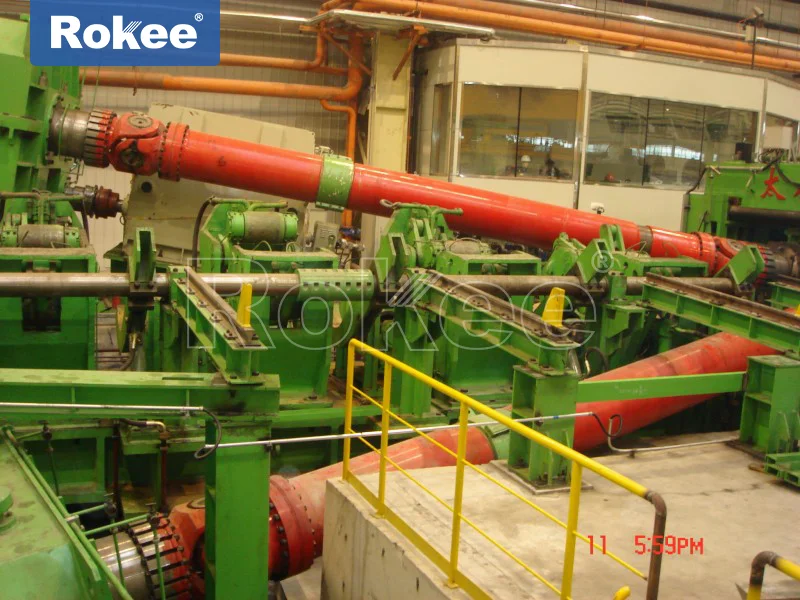
In the operation process of the PU sandwich panel production line, the cardan coupling plays an indispensable role as a key transmission component. It is mainly responsible for connecting the driving shaft and the driven shaft of various equipment in the production line, such as the uncoiler, roller press, foaming machine, and cutting machine, transmitting torque stably while compensating for the angular, radial, and axial deviations between the two shafts caused by installation errors or operational vibrations. The stable and efficient operation of the cardan coupling directly affects the production efficiency of the entire PU sandwich panel production line, the quality of the finished products, and the service life of the related equipment. Due to the harsh working environment of the PU sandwich panel production line—often accompanied by dust, high temperature, vibration, and intermittent load changes—the cardan coupling is prone to wear, lubrication failure, and component damage if it is not maintained properly for a long time. This not only leads to unplanned shutdowns of the production line, increasing production costs and delivery delays but also may cause more serious damage to the connected equipment, resulting in greater economic losses. Therefore, mastering scientific and standardized daily maintenance skills for the cardan coupling in the PU sandwich panel production line is of great practical significance for ensuring the continuous and stable operation of the production line, reducing maintenance costs, and improving production efficiency.
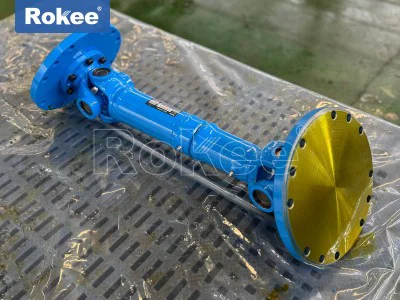
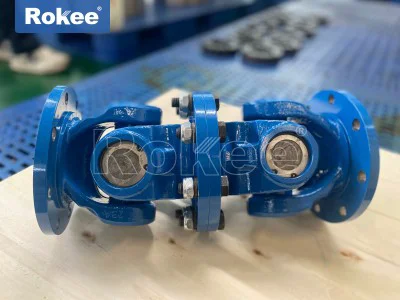
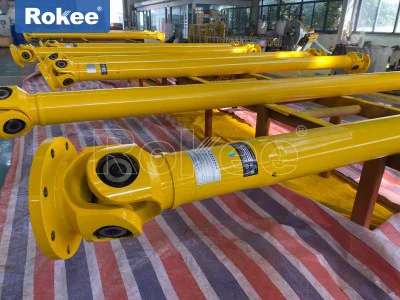
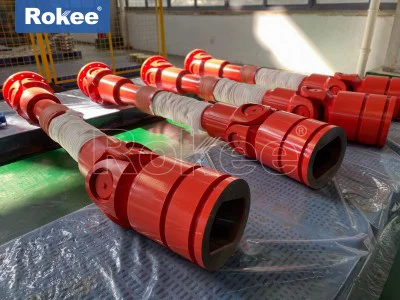
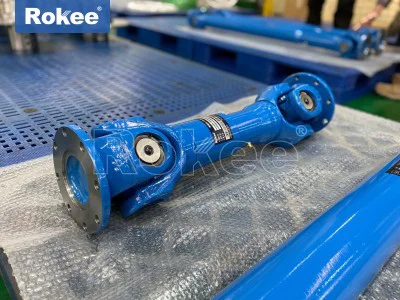
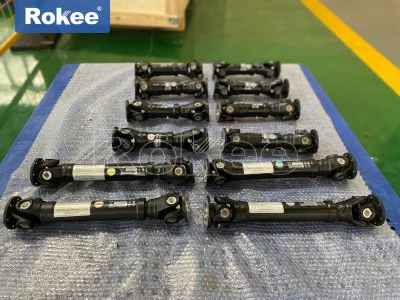
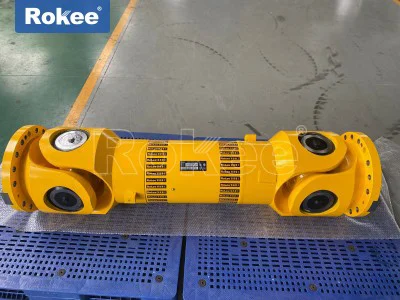
Before carrying out daily maintenance of the cardan coupling, it is necessary to have a clear understanding of its structural characteristics and the working environment in the PU sandwich panel production line. The cardan coupling is mainly composed of cross shafts, yokes, bearings, spline shafts, flanges, and sealing components. Among them, the cross shaft and bearings are the core transmission parts, which bear the main torque and load during operation; the spline connection is used to compensate for the axial displacement between the shafts, ensuring the flexibility of the coupling during operation; the flange is used to connect with the shafts of the driving and driven equipment, and its connection tightness directly affects the transmission stability; the sealing components are used to prevent dust, moisture, and other impurities from entering the internal parts of the coupling, avoiding lubrication failure and component wear. In the PU sandwich panel production line, the cardan coupling is often in a working state of continuous operation, and the working environment is relatively harsh: during the production process of PU sandwich panels, a large amount of dust will be generated when cutting the panels, and some volatile substances will be produced during the foaming process, which may corrode the surface of the coupling; at the same time, the equipment in the production line will generate continuous vibration during operation, which will cause continuous impact on the cardan coupling, accelerating the wear of components such as bearings and cross shafts; in addition, the load of the production line will change intermittently when feeding, cutting, and other operations are carried out, which will also increase the load pressure on the cardan coupling. These factors put higher requirements on the daily maintenance of the cardan coupling, requiring maintenance personnel to carry out comprehensive and detailed maintenance work according to the actual working conditions, so as to timely find and solve potential problems and ensure the normal operation of the coupling.
Daily inspection is the foundation of the cardan coupling maintenance work, which can timely find potential faults and avoid the expansion of faults. The daily inspection of the cardan coupling in the PU sandwich panel production line should be carried out before the start of the production line every day and during the operation interval, and the inspection content should cover all key parts of the coupling to ensure that no potential hidden dangers are missed. Before starting the production line every day, the maintenance personnel should first check the appearance of the cardan coupling, observe whether the surface of the coupling has obvious damage, such as cracks, deformation, and corrosion. Cracks on the yoke or flange are often caused by excessive load or vibration, and if not handled in time, they may lead to component fracture during operation, resulting in serious equipment failure. Therefore, once cracks are found, the production line should be stopped immediately for further inspection and repair. At the same time, it is necessary to check whether the connecting bolts between the flange and the driving and driven shafts are loose. Due to the continuous vibration of the production line during operation, the bolts are prone to loosening, which will lead to the instability of the coupling connection, generate abnormal vibration and noise, and even cause the coupling to fall off, resulting in shutdown. For the loose bolts, they should be tightened in time according to the specified torque, and anti-loosening measures should be taken if necessary, such as installing anti-loosening washers or applying thread glue to prevent the bolts from loosening again.
During the operation interval of the production line, the maintenance personnel should focus on checking the working state of the cardan coupling, including whether there is abnormal vibration, noise, and temperature rise. Abnormal vibration of the coupling is usually caused by incorrect alignment of the two shafts, wear of the cross shaft or bearings, or imbalance of the coupling. During the operation of the production line, the maintenance personnel can judge whether the vibration of the coupling is normal by observing the operation state of the coupling and using simple detection tools such as a vibration meter. If the vibration amplitude exceeds the normal range, the production line should be stopped to check the cause, and targeted measures should be taken to solve it. Abnormal noise of the coupling is another important sign of potential faults. Common abnormal noises include metal friction sound, impact sound, and buzzing sound. The metal friction sound is usually caused by insufficient lubrication between the cross shaft and the bearings, leading to dry friction between the components; the impact sound is often caused by excessive wear of the cross shaft or bearings, resulting in excessive clearance between the components, and impact occurs during torque transmission; the buzzing sound may be caused by incorrect alignment of the shafts or imbalance of the coupling. Once abnormal noise is found, the cause should be identified in time, and corresponding maintenance measures should be taken to avoid further damage to the components. In addition, the temperature of the cardan coupling during operation should be checked. The normal operating temperature of the coupling is usually close to the ambient temperature, and the temperature rise should not exceed 40℃. If the temperature of the coupling is too high, it may be caused by insufficient lubrication, excessive load, or bearing damage. At this time, the production line should be stopped to check the lubrication status and bearing condition, and take measures such as adding lubricating oil or replacing bearings to reduce the temperature.
Lubrication maintenance is a key link in the daily maintenance of the cardan coupling, which directly affects the service life of the coupling and the stability of its operation. The internal components of the cardan coupling, such as the cross shaft, bearings, and spline pairs, need to be lubricated to reduce friction between the components, dissipate heat, prevent wear and corrosion, and ensure the flexible operation of the coupling. In the PU sandwich panel production line, due to the harsh working environment, the lubricating oil or grease is prone to contamination, aging, and loss, so regular lubrication maintenance must be carried out. First of all, it is necessary to select the appropriate lubricating medium according to the working conditions of the cardan coupling. The cardan coupling in the PU sandwich panel production line usually works under medium and heavy loads, and the working environment has more dust and certain temperature changes, so it is suitable to select high-temperature resistant, wear-resistant, and anti-dust lubricating grease, such as lithium-based grease or molybdenum disulfide grease. These lubricating greases have good adhesion and lubrication performance, can form a stable lubricating film on the surface of the components, effectively reduce friction and wear, and can adapt to the harsh working environment of the production line.
The lubrication cycle of the cardan coupling should be determined according to the actual working conditions of the production line. For the production line that operates continuously for a long time, the lubricating grease should be added every 300 to 500 working hours; for the production line with harsh working conditions, such as high temperature, heavy load, and more dust, the lubrication cycle should be shortened to 100 to 200 working hours. When adding lubricating grease, the maintenance personnel should first clean the grease nozzle and the surrounding area to prevent dust and other impurities from entering the internal parts of the coupling along with the lubricating grease. Then, use a grease gun to inject the lubricating grease into the grease nozzle until the old lubricating grease is squeezed out from the gap of the coupling. The old lubricating grease should be cleaned in time to avoid the mixing of new and old lubricating grease, which affects the lubrication effect. For the cardan coupling without a grease nozzle, it is necessary to disassemble the coupling, manually apply the lubricating grease to the cross shaft, bearings, spline pairs, and other components, and then reassemble the coupling. It should be noted that the amount of lubricating grease added should be appropriate. Too much lubricating grease will lead to poor heat dissipation, increase the resistance during the operation of the coupling, and even cause the lubricating grease to overflow and contaminate the production environment; too little lubricating grease cannot form a complete lubricating film, resulting in insufficient lubrication and accelerated component wear. Generally, the amount of lubricating grease added should fill 1/2 to 2/3 of the internal cavity of the bearing.
In addition to regular lubrication, the lubrication system of the cardan coupling should also be inspected regularly. Check whether the grease nozzle is blocked, and if it is blocked, use a steel wire or other tools to unblock it in time to ensure the smooth injection of lubricating grease. Check whether the sealing components of the coupling are intact. The sealing components are used to prevent the leakage of lubricating grease and the entry of impurities. If the sealing components are aged, damaged, or deformed, they should be replaced in time to avoid lubrication failure. At the same time, observe the color and state of the lubricating grease. If the lubricating grease turns black, becomes thin, or contains metal debris, it indicates that the lubricating grease has aged or been contaminated, and all the old lubricating grease should be replaced in time, and the internal parts of the coupling should be cleaned to ensure the lubrication effect.
Alignment correction is an important part of the daily maintenance of the cardan coupling. The cardan coupling can compensate for a certain amount of angular, radial, and axial deviations between the two shafts, but if the deviation exceeds the allowable range, it will lead to abnormal vibration, noise, and accelerated wear of the coupling components, and even affect the service life of the connected equipment. In the PU sandwich panel production line, due to the vibration of the equipment during operation, the settlement of the foundation, and the wear of the components, the alignment of the cardan coupling is prone to deviation, so regular alignment correction is necessary. The alignment correction of the cardan coupling mainly includes angular alignment and radial alignment. The angular alignment refers to adjusting the angle between the driving shaft and the driven shaft to ensure that the included angle between the two shafts is within the allowable range, usually not more than 1°; the radial alignment refers to adjusting the radial position of the two shafts to ensure that the radial deviation between the two shafts is not more than 0.1mm per meter. When carrying out alignment correction, professional tools such as a laser aligner or a dial indicator should be used to improve the accuracy of alignment. Before alignment, the surface of the coupling flange should be cleaned to remove oil stains, dust, and other impurities to avoid affecting the measurement accuracy. Then, install the alignment tool according to the operation requirements, measure the angular deviation and radial deviation between the two shafts, and adjust the position of the driven equipment according to the measurement results until the deviation is within the allowable range. It should be noted that the alignment correction should be carried out when the production line is stopped and the equipment is in a cold state to avoid the influence of thermal expansion on the alignment accuracy. In addition, after the alignment correction is completed, the connecting bolts should be tightened again according to the specified torque to ensure the stability of the connection.
The inspection and maintenance of key components are crucial to the service life of the cardan coupling. The cross shaft, bearings, spline pairs, and flanges are the key components of the cardan coupling, and their working state directly affects the overall performance of the coupling. Therefore, regular inspection and maintenance of these components should be carried out. For the cross shaft, check whether there is wear, corrosion, and cracks on the surface. The cross shaft bears the main torque during operation, and if there is wear or cracks, it will affect the torque transmission effect and may even lead to the fracture of the cross shaft. If the wear of the cross shaft is slight, it can be repaired by chrome plating or other methods; if the wear is serious or there are cracks, the cross shaft should be replaced in time. For the bearings, check whether there is wear, damage, and jamming. The bearings are the key components that ensure the flexible rotation of the cross shaft. If the bearings are worn or damaged, it will lead to increased friction, abnormal noise, and temperature rise of the coupling. The bearings should be replaced in time when they are found to be worn or damaged, and the new bearings should be selected according to the model and specification of the original bearings to ensure the matching degree with the cross shaft and yoke. For the spline pairs, check whether there is wear, corrosion, and jamming. The spline pairs are used to compensate for the axial displacement between the shafts. If the spline pairs are worn or jammed, it will affect the flexibility of the coupling and even lead to the failure of the coupling to transmit torque. The spline pairs should be cleaned regularly, and lubricating grease should be applied to reduce wear. If the wear is serious, the spline shaft or spline sleeve should be replaced in time. For the flanges, check whether there is deformation, cracks, and wear on the surface, and whether the bolt holes are damaged. The flanges are the connecting parts between the coupling and the driving and driven shafts. If the flanges are deformed or cracked, it will affect the connection tightness and transmission stability. The flanges should be replaced in time when they are found to be damaged.
Cleaning and anti-corrosion maintenance are also important parts of the daily maintenance of the cardan coupling. In the PU sandwich panel production line, a large amount of dust and volatile substances will be generated during the production process, which will adhere to the surface of the coupling and enter the internal parts of the coupling, leading to the wear of components and the failure of lubrication. Therefore, regular cleaning of the cardan coupling is necessary. The cleaning work should be carried out when the production line is stopped. First, use a brush or compressed air to remove the dust and debris on the surface of the coupling, then use a cleaning agent to wipe the surface of the coupling to remove oil stains and other contaminants, and finally dry the surface of the coupling with a clean cloth. When cleaning the internal parts of the coupling, such as the cross shaft and bearings, the coupling should be disassembled, and the components should be cleaned one by one, then dried and lubricated before reassembling. It should be noted that the cleaning agent used should be compatible with the material of the coupling and the lubricating grease to avoid corrosion of the components and damage to the lubricating grease.
Anti-corrosion maintenance is mainly aimed at the cardan coupling working in a humid or corrosive environment. In some PU sandwich panel production lines, the production environment may be relatively humid, or the volatile substances generated during the foaming process may have a corrosive effect on the coupling. Therefore, anti-corrosion measures should be taken to protect the coupling. For the surface of the coupling, anti-rust paint can be applied regularly to form a protective film on the surface of the coupling, preventing corrosion of the surface. For the internal components of the coupling, high-quality anti-corrosion lubricating grease can be selected to improve the anti-corrosion performance of the components. In addition, the working environment of the coupling should be improved as much as possible, such as strengthening ventilation and dust removal to reduce the humidity and dust content in the air, and avoiding the direct contact between the coupling and corrosive substances.
In addition to the above daily maintenance work, the maintenance personnel should also establish a complete maintenance record system, recording the maintenance time, maintenance content, replaced components, and other information of the cardan coupling in detail. Through the maintenance records, the working state and maintenance history of the coupling can be tracked and mastered, which is convenient for analyzing the failure law of the coupling, optimizing the maintenance plan, and reducing the occurrence of faults. At the same time, the maintenance personnel should be trained regularly to improve their professional quality and operational skills, so that they can accurately judge the faults of the cardan coupling and carry out maintenance work in a standardized manner. In the daily work, the maintenance personnel should also pay attention to observing the operation state of the cardan coupling, summarize the maintenance experience in time, and continuously improve the maintenance level.
It should be emphasized that the daily maintenance of the cardan coupling in the PU sandwich panel production line should adhere to the principle of "prevention first, combination of prevention and treatment". Only by carrying out comprehensive and detailed maintenance work regularly can potential faults be found and solved in time, ensuring the stable and efficient operation of the cardan coupling. If the cardan coupling fails during operation, the production line should be stopped immediately to avoid the expansion of the fault, and the cause of the fault should be analyzed in detail, and targeted maintenance measures should be taken. For faults that cannot be solved on site, professional technical personnel should be invited to carry out maintenance to ensure the maintenance quality.
In conclusion, the cardan coupling is an important transmission component in the PU sandwich panel production line, and its daily maintenance work is crucial to the normal operation of the production line. Maintenance personnel should master scientific and standardized maintenance skills, carry out daily inspection, lubrication maintenance, alignment correction, key component inspection, cleaning, and anti-corrosion maintenance in accordance with the actual working conditions, and establish a complete maintenance record system. Through continuous improvement of maintenance level and strict implementation of maintenance measures, the service life of the cardan coupling can be prolonged, the failure rate of the production line can be reduced, the production efficiency can be improved, and the economic benefits of the enterprise can be guaranteed. In the process of actual maintenance, it is necessary to combine the specific working conditions of the production line and the structural characteristics of the cardan coupling, flexibly apply various maintenance skills, and continuously summarize experience to ensure that the cardan coupling always works in the best state, providing a strong guarantee for the continuous and stable operation of the PU sandwich panel production line.