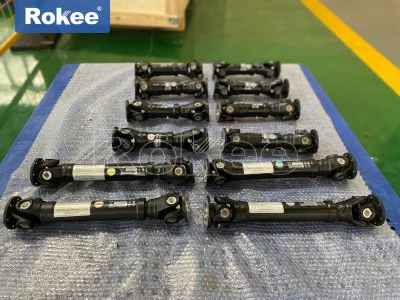
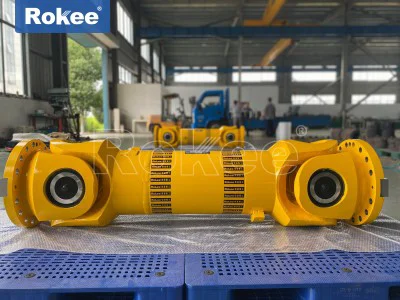
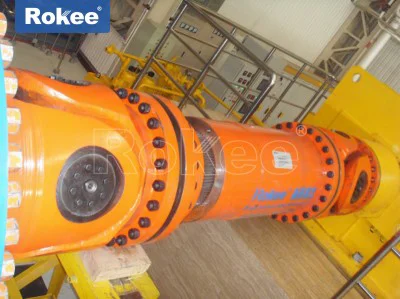
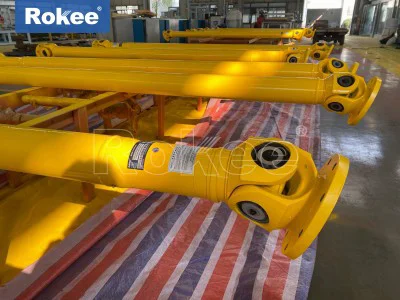
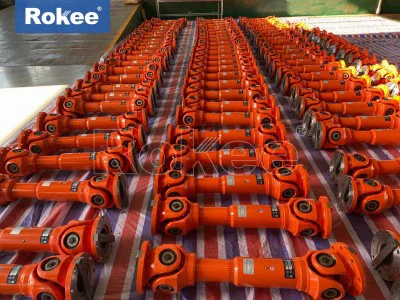
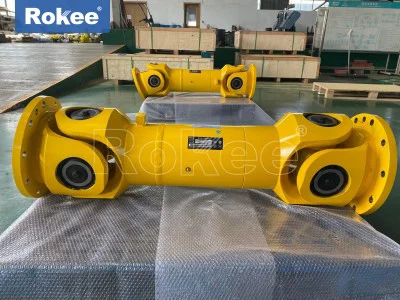
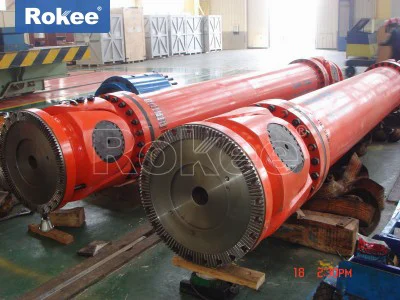
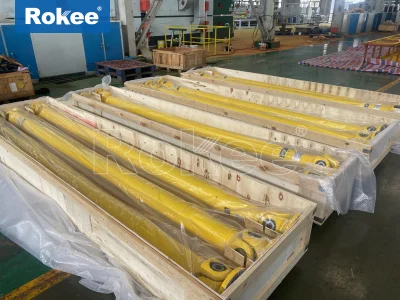
Universal Joint Coupling For Paper Mill
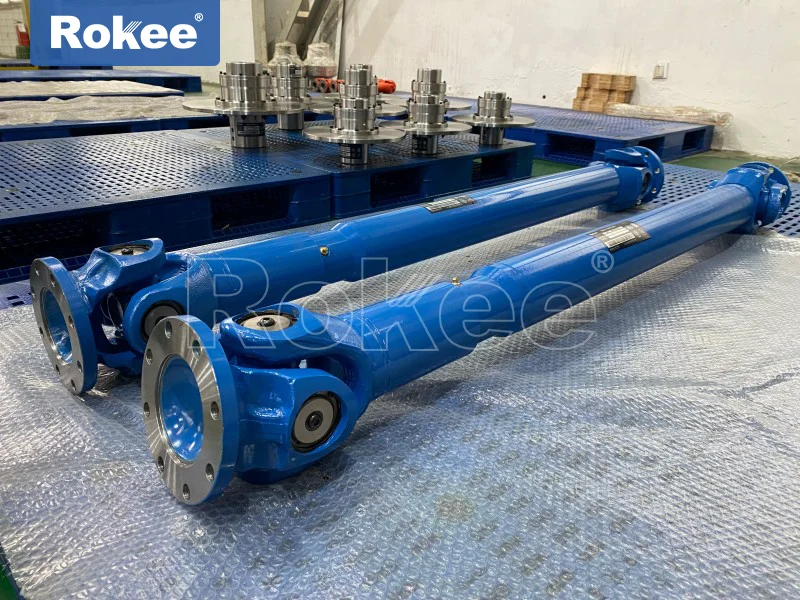
Universal joint couplings serve as indispensable core transmission components in modern paper mill mechanical systems, undertaking the critical task of stable power transmission between mismatched drive shafts in complex papermaking equipment. The papermaking process involves continuous high-speed operation, frequent load fluctuations, humid and corrosive production environments, and subtle structural deviations of mechanical parts, all of which impose stringent requirements on transmission accessories. Unlike ordinary rigid couplings, universal joint couplings feature flexible transmission characteristics that can adapt to angular, parallel and axial misalignment of equipment shafts, effectively solving the transmission failure problems caused by installation errors, equipment vibration and long-term operational deformation of paper machines. They are widely deployed in core papermaking links including pulping, web forming, pressing, drying and calendaring, ensuring synchronous and stable operation of multi-group roller shafts and transmission devices. By buffering impact loads and reducing mechanical friction loss, these couplings greatly improve the overall operational stability of paper mill production lines, reduce unexpected equipment downtime, and lay a solid foundation for consistent paper product quality and continuous high-efficiency production.
The unique structural design of universal joint couplings makes them highly compatible with the diversified working conditions of paper mill production lines. Structurally, this type of coupling adopts a cross-axis hinge transmission structure, which realizes flexible connection between the driving end and driven end of the transmission shaft. This classic structural form enables the equipment to maintain efficient power output even when the shaft center produces a certain deflection angle and displacement during operation, perfectly adapting to the frequent micro-displacement and vibration of paper machine rollers in high-speed rotating states. In the pulping section of paper mills, equipment such as pulpers and beaters often generate intermittent impact loads during fiber crushing and stirring processes. Universal joint couplings can effectively absorb and buffer these instantaneous impact forces, avoid rigid torsion damage to transmission shafts and motors, and protect the core power components of pulping equipment. Meanwhile, the telescopic structure matched with the coupling can automatically compensate the axial displacement caused by equipment thermal expansion and contraction after long-time high-load operation, eliminating transmission jitter and power loss caused by shaft position deviation. This adaptive structural advantage ensures that the coupling can maintain stable transmission performance in long-cycle and uninterrupted industrial production of paper mills.
Material selection and manufacturing craftsmanship determine the durability and environmental adaptability of universal joint couplings in paper mill harsh working environments. Paper mill production workshops are always in a high-humidity state, accompanied by volatile chemical additives and fiber dust, which easily cause corrosion, wear and aging of mechanical transmission parts. High-performance universal joint couplings for paper mills are mostly made of high-strength forged alloy steel materials, which have excellent torsional rigidity, wear resistance and anti-fatigue properties. After precision forging, heat treatment and surface strengthening processes, the overall structural strength of the coupling is significantly improved, enabling it to withstand long-term high-torque operation without deformation or fracture. In addition, professional anti-corrosion and sealing treatments are applied to the surface and internal movable parts of the coupling. The multi-lip sealing structure can effectively isolate moisture, pulp residue and chemical impurities in the papermaking environment, prevent dust and corrosive substances from entering the internal bearing and hinge structures, and avoid component jamming and abrasion failure. This targeted material and process design greatly extends the service life of the coupling, reduces the frequency of accessory replacement in humid and corrosive paper mill environments, and lowers the operational cost of production lines.
Universal joint couplings play a pivotal role in improving the operational precision and product quality of paper machine forming and calendaring systems. The paper forming and post-processing stages require extremely high synchronization accuracy of multi-group roller shafts. Slight transmission deviation or speed inconsistency will directly lead to problems such as uneven paper thickness, paper web wrinkling and surface texture defects, affecting the yield of finished paper products. Universal joint couplings can realize synchronous and uniform power transmission between multiple sets of transmission shafts, effectively correct the speed difference and angle deviation caused by equipment assembly errors and operational wear, and ensure the consistent rotating speed and operating state of forming rollers, pressing rollers and calendaring rollers. In the high-speed papermaking process, the flexible transmission performance of the coupling can suppress mechanical vibration and resonance generated during equipment operation, avoid periodic jitter of the paper web, and make the paper surface smoother and the thickness distribution more uniform. Moreover, the low-backlash transmission characteristic of high-precision universal joint couplings ensures that the power response is sensitive and accurate during equipment speed adjustment and load switching, meeting the precise production requirements of high-grade cultural paper, packaging paper and special industrial paper, and effectively improving the qualified rate of paper products.
The excellent load resistance and operational stability of universal couplings adapt to the high-intensity continuous production mode of modern paper mills. Paper mill production lines mostly adopt 24-hour uninterrupted continuous operation modes, and the transmission system needs to bear long-term stable loads and occasional overload impacts during peak production and equipment start-stop stages. Ordinary transmission couplings are prone to fatigue deformation, transmission lag and component damage under long-term high-load operation, leading to frequent equipment shutdown and maintenance. In contrast, paper mill-specific universal joint couplings are optimized for heavy-duty working conditions, with strong torque bearing capacity and excellent dynamic balance performance. They can maintain stable transmission efficiency under long-term high-speed and high-torque operating states, and will not produce power attenuation or structural failure due to continuous load accumulation. When the production line encounters instantaneous overload caused by pulp blockage, equipment jamming and other abnormal conditions, the coupling can buffer peak loads through flexible hinge movement, protect motors, reducers and other expensive core equipment from overload damage, and avoid major equipment failure and production interruption risks. This reliable load resistance ensures the long-term stable operation of paper mill continuous production lines.
Universal joint couplings have outstanding advantages in installation convenience and daily maintenance, which helps paper mills improve production and maintenance efficiency. The structural design of paper mill universal joint couplings is compact and reasonable, with strong adaptability to narrow installation spaces of paper machine internal transmission parts. The split assembly structure allows workers to complete installation, disassembly and replacement operations without disassembling a large number of adjacent equipment components, greatly simplifying the equipment maintenance process. In terms of daily use, most high-quality universal joint couplings for paper mills are equipped with self-lubricating structures and durable sealing systems, which can reduce the frequency of regular lubrication and cleaning maintenance. Compared with traditional transmission accessories that require frequent oil injection and dust removal, these couplings effectively reduce daily maintenance workload and human resource investment. In addition, the modular design of the coupling enables partial replacement of worn components without replacing the whole set of equipment, which reduces maintenance material consumption. The convenient installation and low-maintenance characteristics make it an ideal transmission accessory for modern paper mills pursuing high operational efficiency and low maintenance costs.
With the upgrading of intelligent and high-efficiency paper mill production equipment, the application value and technical upgrading space of universal joint couplings are constantly expanding. Traditional paper mill transmission equipment has problems such as single transmission function and poor adaptability to variable working conditions, which are difficult to meet the needs of high-speed, intelligent and diversified paper production. Modern optimized universal joint couplings integrate flexible transmission, vibration damping compensation and overload protection functions, which can better adapt to the speed regulation operation and variable load production mode of intelligent paper machines. In the production process of customized special paper and high-precision paper products, the high-precision transmission compensation capability of the coupling can adapt to the fine adjustment of equipment operating parameters, providing reliable mechanical support for personalized paper production. At the same time, with the continuous improvement of industrial energy-saving and consumption reduction requirements, the optimized structural design of universal joint couplings reduces mechanical friction resistance and power loss in the transmission process, effectively improving the overall energy utilization efficiency of paper mill production lines. As the core basic transmission component of paper machinery, it will continue to iterate and upgrade with the development of papermaking industry technology, providing more stable and efficient transmission guarantee for intelligent and green production of paper mills.
The comprehensive application performance of universal joint couplings has made them an essential supporting component for stable and efficient operation of paper mill mechanical transmission systems. From pulping and paper forming to post-press finishing, every key link of papermaking production relies on the flexible transmission, deviation compensation, vibration damping and anti-impact capabilities of universal joint couplings to ensure orderly production progress and stable product quality. It solves many pain points in the operation of paper mill transmission equipment, such as easy deviation of shaft alignment, poor load resistance, frequent maintenance and low transmission efficiency, and effectively improves the overall operational reliability and production efficiency of papermaking equipment. In the increasingly competitive papermaking industry, stable equipment operation and low-cost maintenance have become important advantages for enterprise production and operation. The excellent comprehensive performance of universal joint couplings can help paper mills reduce equipment failure rates, shorten production downtime, stabilize product quality, and create greater economic benefits for production enterprises. With the continuous progress of papermaking machinery manufacturing technology, universal joint couplings will further realize high precision, high durability and energy-saving optimization, and continue to empower the high-quality development of the paper industry.