Telescopic Universal Joint Couplings
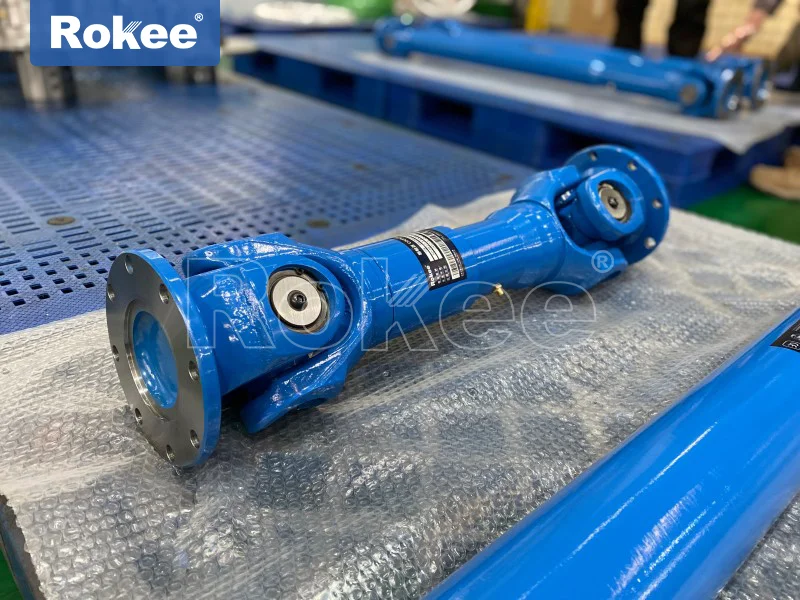
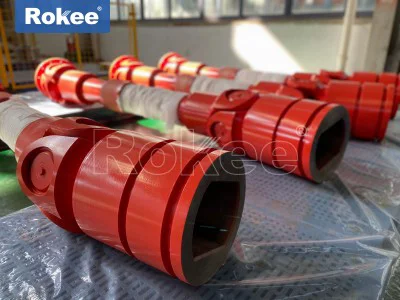
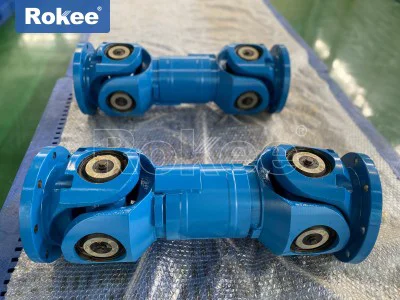
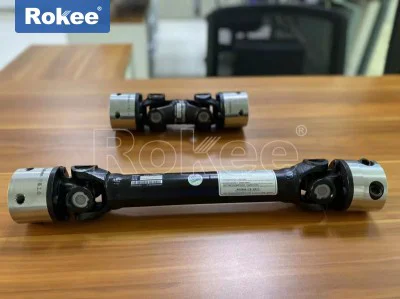
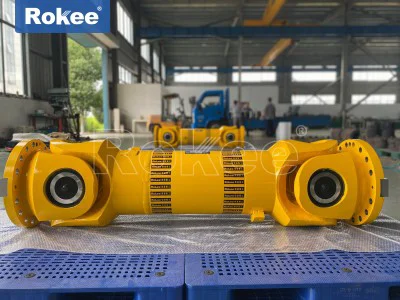
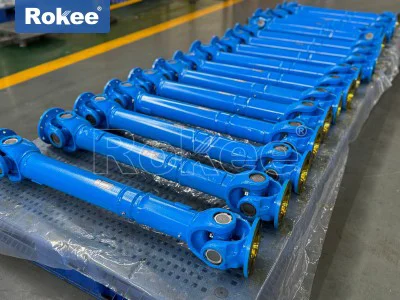
The telescopic universal joint coupling is an advanced mechanical transmission device widely used in situations where torque transmission and compensation for relative displacement between shaft systems are required. This type of coupling combines the angle compensation capability of universal joints and the axial displacement compensation function of expansion joints, and is an indispensable key component in modern industrial equipment.
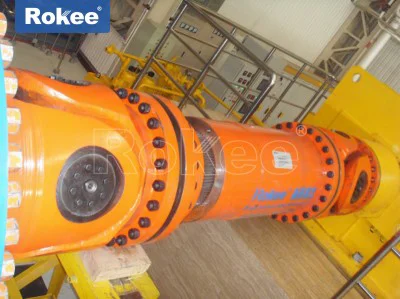
The telescopic universal joint coupling usually consists of the following core components:
Universal joint components: adopting a cross axis or ball cage design, allowing for a certain degree of angular deviation between the two shafts
Expansion sliding sleeve mechanism: Built in spline or sliding sleeve structure, can expand and contract along the axial direction to compensate for length changes
Flange connection end: Standardized flange design for easy installation and maintenance
Sealing system: prevents lubricant leakage and contamination from entering
Its working principle is based on the universal joint; Constant speed transmission; The characteristic is to transmit torque through the rotational motion of the cross axis or ball cage, while the telescopic structure can absorb axial displacement, achieving multi-directional compensation during the power transmission process.
The telescopic universal joint coupling usually consists of the following core components:
Universal joint components: adopting a cross axis or ball cage design, allowing for a certain degree of angular deviation between the two axes (usually 15 ° -45 °)
Expansion sliding sleeve mechanism: Built in spline or sliding sleeve structure, can expand and contract along the axial direction to compensate for length changes
Flange connection end: Standardized flange design for easy installation and maintenance
Sealing system: prevents lubricant leakage and contamination from entering
Its working principle is based on the universal joint; Constant speed transmission; The characteristic is to transmit torque through the rotational motion of the cross axis or ball cage, while the telescopic structure can absorb axial displacement, achieving multi-directional compensation during the power transmission process.
The selection of a suitable telescopic universal joint coupling should consider the following factors:
Working torque: Determine the rated torque and peak torque requirements
Speed range: Consider critical speed and vibration characteristics
Displacement compensation: Evaluate axial, angular, and radial displacement requirements
Environmental conditions: temperature, humidity, corrosiveness, etc
Installation space: Consider the external size limitations of the coupling
As the core component of modern mechanical transmission systems, the technology development of telescopic universal joint couplings will continue to promote the performance improvement and reliability improvement of industrial equipment. Proper selection and use of such couplings can significantly improve equipment operating efficiency, reduce maintenance costs, and extend equipment service life.