Extra Heavy Duty Cardan Drive Shaft

Extra heavy duty cardan drive shafts are robust mechanical transmission components engineered to deliver reliable and high-power torque transfer for extreme industrial and mechanical operating conditions. Differing significantly from standard and light-duty cardan shafts, these specialized drive units are built to withstand sustained heavy loads, frequent shock impacts, and prolonged continuous operation that would cause premature wear or failure of conventional transmission parts. Featuring reinforced structural design, premium alloy material construction, and optimized universal joint mechanisms, they excel at compensating angular and axial misalignments between driving and driven equipment while maintaining stable power transmission efficiency. Widely applied in heavy industrial machinery, large transportation equipment, and bulk material processing systems, they serve as a critical link in mechanical power systems, ensuring operational stability, reducing transmission loss, and extending the overall service life of complete equipment assemblies in harsh working environments.
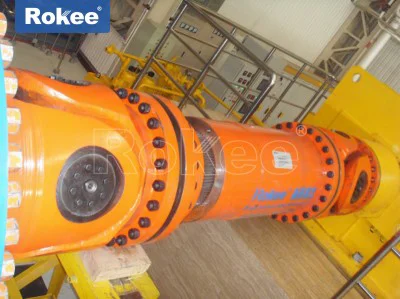
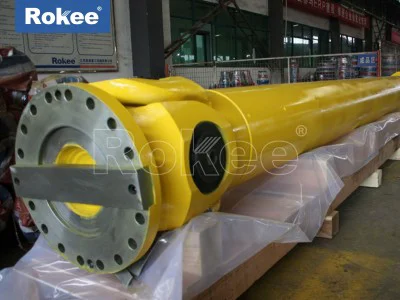
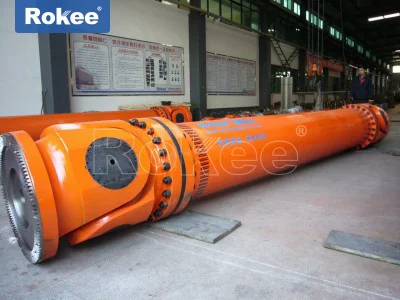
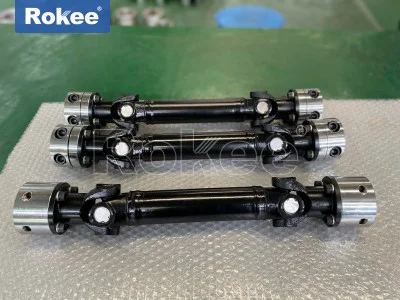
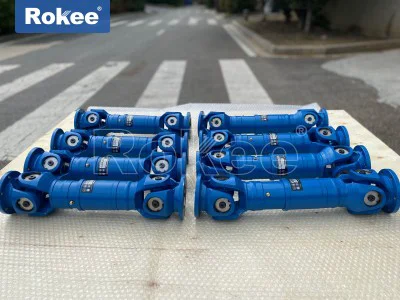
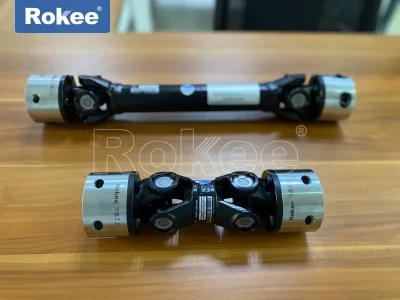
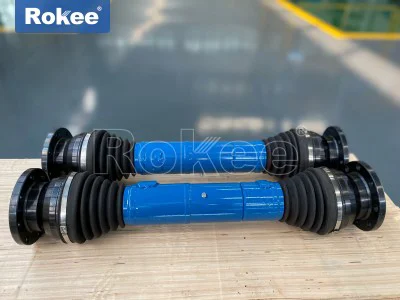
The core structural design of extra heavy duty cardan drive shafts is fundamentally optimized to adapt to high-load and high-intensity operating scenarios, distinguishing them from ordinary drive shaft products. Every key component, including the universal joint cross, fork head, shaft tube, and connecting flange, undergoes structural reinforcement and precision optimization to eliminate weak points under extreme stress. The integral forged fork head structure replaces traditional split bolted designs, effectively reducing mechanical looseness and failure risks during long-term heavy-duty operation, as integrated molding delivers superior structural integrity and stress uniformity. The thickened seamless alloy steel shaft tube enhances radial rigidity and torsional resistance, preventing deformation or torsion under massive torque pressure. Meanwhile, the enlarged universal joint assembly increases the contact area between moving parts, distributing bearing stress more evenly and avoiding localized wear and fatigue damage caused by concentrated load. This systematic structural upgrade enables the drive shaft to bear far greater torsional force and impact load, laying a solid foundation for stable operation in high-intensity industrial production.
Material selection and specialized heat treatment processes are the key factors that endow extra heavy duty cardan drive shafts with exceptional durability and load resistance. These drive shafts adopt high-strength alloy steel as the primary raw material, which features excellent tensile strength, torsional toughness, and fatigue resistance compared to ordinary carbon steel, perfectly adapting to the repeated stress and alternating load of heavy-duty power transmission. All core load-bearing components undergo strict forging processing to refine the internal metal grain structure, eliminating internal pores and impurities that may cause structural defects. Subsequent multi-stage heat treatment processes, including quenching and tempering, are applied to precisely adjust the surface hardness and internal toughness of components. The surface achieves high hardness to resist friction and abrasion, while the internal structure maintains good toughness to buffer sudden impact loads and avoid brittle fracture. This combination of premium materials and sophisticated processing technologies allows the drive shaft to maintain stable mechanical performance even in long-term continuous operation and harsh environmental conditions.
Extra heavy duty cardan drive shafts possess outstanding misalignment compensation capabilities, which is an indispensable advantage in complex mechanical transmission systems. In actual industrial operation, equipment installation errors, mechanical vibration, and structural thermal deformation often lead to angular, axial, and radial misalignments between the power source and driven equipment. ordinary drive shafts struggle to adapt to such deviations, resulting in increased transmission resistance, severe vibration, and accelerated component wear. Equipped with high-precision universal joint structures, extra heavy duty cardan drive shafts can flexibly compensate for multiple types of misalignments within a reasonable range. The flexible rotation of the universal joint cross and bearing assembly allows the shaft to maintain efficient torque transmission even when the connection angle deviates, while the telescopic shaft structure adapts to axial displacement caused by equipment operation and thermal expansion. This flexible compensation performance eliminates additional mechanical stress generated by installation and operation deviations, ensuring smooth and continuous power transmission throughout the equipment operation cycle.
The operational stability and low-loss transmission performance of extra heavy duty cardan drive shafts make them highly valuable in long-cycle industrial production. Under heavy load conditions, conventional transmission components are prone to unstable torque output, obvious mechanical vibration, and increased power loss, which not only reduces equipment operation efficiency but also accelerates the aging of supporting parts. Extra heavy duty cardan drive shafts adopt precision machining and assembly processes to ensure the tight fit and coaxiality of all moving parts, effectively suppressing vibration and noise during high-power operation. The optimized friction pair design reduces internal friction resistance between components, minimizing mechanical energy loss during torque transmission and improving the overall energy utilization rate of the equipment system. In addition, the reinforced structural design avoids torsional oscillation and power fluctuation under sudden load changes, maintaining consistent and stable power output. This stable and efficient transmission state not only improves the working efficiency of mechanical equipment but also reduces unnecessary energy consumption for long-term industrial operation.
Extra heavy duty cardan drive shafts are applicable to a wide range of high-load industrial scenarios, covering almost all fields that require high-power mechanical transmission. In metallurgical and rolling industries, they serve as core transmission components for rolling mills and smelting equipment, stably transmitting huge torque to support continuous metal rolling and processing operations under long-term high-load conditions. In mining and quarrying fields, they adapt to the harsh working conditions of crushing equipment, large conveyors, and mining machinery, resisting frequent impact loads and dusty, corrosive working environments to ensure uninterrupted operation of mining production lines. In port and bulk material handling industries, they are applied to large hoisting machinery and conveyor systems, bearing heavy material transportation loads and realizing efficient and stable power transmission. Additionally, they are widely used in large engineering machinery, marine auxiliary propulsion equipment, and industrial pump sets, fully meeting the extreme operation requirements of different heavy-duty mechanical systems.
The wear resistance, corrosion resistance and long service life of extra heavy duty cardan drive shafts greatly reduce the maintenance cost and downtime loss of industrial equipment. Industrial heavy-duty equipment often operates in harsh environments with dust, moisture, and chemical corrosion, which easily causes abrasion, rust, and aging of transmission components. The surface of extra heavy duty cardan drive shaft components is treated with professional anti-wear and anti-corrosion processes, forming a protective layer that resists abrasive wear from particulate impurities and chemical corrosion from harsh media. The high-strength alloy matrix and refined heat treatment structure effectively delay material fatigue aging, enabling the drive shaft to maintain complete mechanical performance after long-term cyclic operation. Compared with ordinary drive shafts, they feature lower failure rates and longer service intervals, reducing the frequency of equipment shutdown maintenance and component replacement. This not only saves manpower and material resources for equipment maintenance but also ensures the continuous and stable operation of industrial production lines, bringing significant economic benefits to industrial production.
With the continuous upgrading of modern industrial heavy equipment, the technological optimization of extra heavy duty cardan drive shafts is also advancing continuously to meet increasingly stringent operating requirements. Modern industrial machinery is developing toward larger scale, higher power, and more automated operation, putting forward higher standards for the load capacity, transmission accuracy, and environmental adaptability of transmission components. The latest optimized extra heavy duty cardan drive shafts adopt more precise numerical control machining technology to further improve component matching accuracy and transmission stability. New composite surface strengthening technologies are applied to enhance the extreme environment adaptability of products, enabling them to operate stably in high-temperature, low-temperature, and high-corrosion working conditions. Meanwhile, structural lightweight optimization is carried out on the premise of ensuring load capacity, reducing the overall self-weight of the drive shaft and lowering the extra load of equipment operation. These continuous technological improvements make extra heavy duty cardan drive shafts more adaptable to modern intelligent and high-efficiency industrial production systems.